What iran glamping nomadic camp really means for a premium family
In the Zagros Mountains above Shiraz in Iran, glamping has taken on a very specific meaning for the premium family traveler. An Iran glamping nomadic camp here blends Qashqai nomad heritage with creature comforts that feel closer to a discreet desert lodge than a rough campsite, yet the people hosting you still move with the seasons. Your children sleep under a starry night while you sink into high thread count linens laid over handwoven kilims, and the night sky feels close enough to touch.
These camps are usually set near seasonal pastures where Qashqai nomads graze sheep and goat herds, so the lifestyle you see is not a staged show but a working rhythm. A typical night includes a slow arrival from Shiraz or Isfahan, tea poured by local people in a black goat hair tent, and a walk through nature as the mountains cool. For many guests, the experience becomes the quiet highlight of an Iran trip, because the camp will provide both privacy and proximity to a living culture.
Glamping is luxury camping with modern amenities. Who are the Qashqai people? A nomadic confederation in southwestern Iran known for weaving and pastoral life. What are Qashqai rugs? Handwoven rugs with bold geometric designs, often made from high quality wool.
For families, the Iran glamping nomadic camp format solves a familiar dilemma; you want your children close to eco friendly nature, but you also want safe bathrooms, proper beds, and food that respects both local taste and small palates. Many camps use spacious bell tents as private suites, layering Qashqai textiles over modern mattresses so younger and older travelers sleep well. The best operators understand that nature minded guests appreciate thoughtful details, using solar lighting, limited plastics, and an eco approach that supports sustainable tourism rather than overwhelming it.
Because these camps sit in the mountains, summer nights are cool enough for fireside stories yet warm enough for children to roam safely around the camp. A good Iran glamping nomadic camp will share clear information about walking distances, terrain, and any tours suitable for younger travelers, so you can plan the trip with confidence. Expect a mix of guided tour options and unstructured time, which lets your family feel the nomad lifestyle without a rigid schedule.
Inside the tents: Qashqai textiles, bell tents, and creature comforts
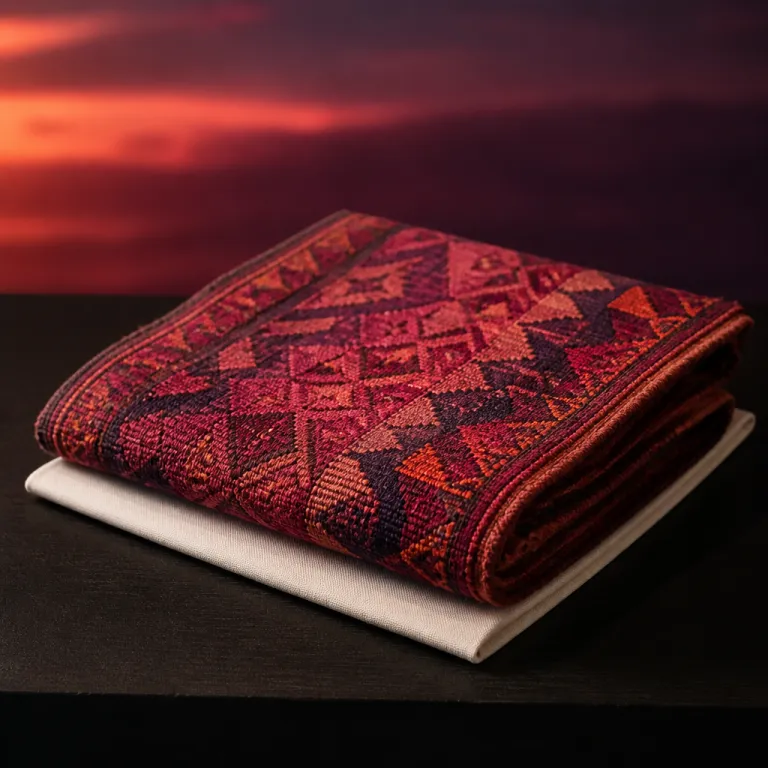
Step into a well run Iran glamping nomadic camp and the first thing you notice is the floor. Thick Qashqai gabbeh rugs, often with a dense hand knotted pile, turn a simple bell tent into a soft salon where people can sit, talk, and share tea in comfort. Over these, hosts layer striped jajim blankets and cushions, so the nomad aesthetic becomes both design language and insulation against the mountain night.
Glamping service providers work directly with Qashqai nomads to source these pieces, which means your stay supports local artisans rather than anonymous factories. Many camps now position themselves as eco friendly by limiting synthetic fabrics and using natural dyes, aligning luxury with sustainable tourism in a way that feels honest rather than performative. When you book, ask whether the camp partners with specific Qashqai families or cooperatives, because transparency here is a strong signal of how they will provide value to local people.
Some camps go further, offering hands on weaving demonstrations where a Qashqai woman shows how a rug grows line by line on a simple loom. These are not staged tours in the theme park sense; they are short windows into a lifestyle where every thread once had to survive rain, dust, and the weight of sheep and goat hooves. For textile focused travelers, this is where Iran beautiful culture moves from museum object to something you feel under bare feet during a quiet night.
In terms of creature comforts, expect proper beds, high quality linens, and often en suite or semi private bathrooms tucked behind canvas partitions. A thoughtful Iran glamping nomadic camp will provide charging points, filtered water, and subtle lighting, but keep noise and light pollution low enough that the night sky still dominates. If you are comparing options after reading about other luxury desert hotels in Iran, use guides to elegant desert properties as a benchmark for service standards.
Families should ask how many bell tents share each bathroom block, and whether hot water is available at all hours or only at set times. The best camps will share these details clearly before your trip, because clarity is part of true luxury. When operators respect your need to plan, they usually respect the nomads they work with as well.
From Shiraz or Isfahan to the Zagros: logistics, seasons, and the right night
Reaching an Iran glamping nomadic camp in the Zagros usually starts in Shiraz, the closest major city to many Qashqai pastures. From the city, expect a drive of two to four hours into the mountains, often on paved roads that give way to gravel tracks for the final stretch. Families should plan one night in Shiraz on either side of the camp stay, both to adjust and to enjoy the city’s gardens before or after the wild nature of the highlands.
Isfahan works as an alternative gateway for some camps, especially those closer to the northern Zagros, but drive times stretch longer and suit older children more than toddlers. Camps operate seasonally, following a rhythm where teams set up in spring, welcome guests through the summer, then dismantle in autumn as nomads move their sheep and goat herds. This seasonal pattern means your Iran trip needs careful timing, and a good operator will provide clear date windows rather than vague promises.
The Zagros climate makes these mountains a refuge when lowland Iran grows hot, so many families pair a few cool nights in camp with time on the Gulf islands. If you are planning peak season travel, consult guides on booking Iran’s summer hotels early to secure city stays before and after your rural tour. Combining an Iran glamping nomadic camp with coastal resorts or island stays turns a simple trip into a layered experience of different landscapes.
Transport is usually arranged as part of a wider tour, with drivers who know the last unmarked turnoffs and the habits of local people along the way. When evaluating offers, look for operators who welcome nature minded guests by limiting convoy sizes and coordinating arrival times to avoid crowding small villages. A private transfer for your family may cost more, but it protects both your comfort and the fragile eco balance of these valleys.
Because connectivity can be patchy, camps will share emergency contact procedures in advance, often including satellite phone details. Before you leave Shiraz or Isfahan, send your location and plans to someone at home by email or a quick share email message. Once you arrive, you may find that the lack of constant whatsapp share pings is part of the luxury.
Food, firesides, and the ethics of cultural immersion with nomads
Evenings in an Iran glamping nomadic camp tend to gather around food and firelight. Dinner might be lamb slow cooked in a clay pot, rice scented with local herbs, and vegetables sourced from a nearby organic farm that supplies the camp kitchen. For families, hosts usually offer milder options for children, but the real pleasure lies in sharing dishes the nomads themselves eat after a long day in the mountains.
Many camps describe themselves as eco friendly and even award winning, yet the ethical test is how they handle the presence of guests in a working nomad community. The best operators limit group sizes, schedule tours so that daily tasks are not turned into constant performances, and pay local people fairly for their time and knowledge. When a Qashqai host sits by the fire to talk about migration routes or weaving patterns, that conversation should feel like a respectful exchange, not a scripted show.
Walking tours at dusk often trace the paths that sheep and goat herds follow back to temporary pens, giving children a tangible sense of how this lifestyle depends on both animals and fragile nature. Some camps offer short wildlife tours or stargazing walks, where guides point out constellations above the dark mountains and explain how nomads once navigated by the night sky alone. These activities work best when they support sustainable tourism, meaning they leave grazing grounds and water sources exactly as they were found.
As a guest, you play a role in this balance. Choose an Iran glamping nomadic camp that will provide clear guidelines on photography, gifts, and social media, so you do not turn private lives into content for automatic share facebook or share whatsapp posts. A thoughtful operator might even suggest delaying any facebook share or whatsapp share until after you leave, allowing you to be fully present during the night itself.
Ethical immersion also means accepting limits; you may be invited into a family tent one evening, but not the next, and that is part of respecting boundaries. When people sense that you value nature and culture as much as comfort, they are more likely to share stories that go beyond the standard tour script. Those unscripted moments, often under a starry night with only the fire for light, are what many families remember long after the trip ends.
Choosing the right iran glamping nomadic camp for your family
With hundreds of eco lodges and camps across Iran, selecting the right Iran glamping nomadic camp for a premium family requires more than scanning photos. Start by asking how closely the camp works with Qashqai or Bakhtiari nomads, and whether local people hold hosting roles rather than just background jobs. A camp that can name its partner families and explain revenue sharing is usually more serious about sustainable tourism than one that only talks about views and sunsets.
Next, look at how the camp balances nature immersion with safety and creature comforts for children. Do bell tents have secure zippers and solid flooring, and are paths between tents and bathrooms lit just enough for a midnight walk without drowning the night sky in glare? Families should also check whether the camp will provide child sized bedding, flexible meal times, and shorter tours tailored to younger attention spans.
For many readers of myiranstay.com, the question is not whether to stay in nature, but how to integrate it into a wider Iran trip that might also include Gulf islands or desert retreats. Our guide to Iran’s Gulf islands in peak season pairs well with a few cool nights in the Zagros, creating a contrast between sea breezes and mountain air. When you plan this kind of multi stop tour, choose a camp that coordinates smoothly with city hotels on arrival and departure days.
Finally, consider how you will share the experience once you return home. Many camps now offer professional photography or simple digital albums that you can later attach to a share email or a more thoughtful facebook share, rather than posting rushed clips from patchy reception. When younger and older members of your family look back at those images, they should see not only Iran beautiful landscapes, but also evidence that you helped protect nature and culture by choosing carefully.
Is glamping in Iran safe? Generally safe; follow travel advisories. What is glamping? Glamping is luxury camping with modern amenities. Where are the Zagros Mountains? In southwestern Iran.
FAQ
What does a typical night in a Zagros glamping camp involve?
A typical night in an Iran glamping nomadic camp begins with arrival before sunset, tea with local hosts, and a simple orientation walk around the camp. After dinner cooked with ingredients often sourced from a nearby organic farm, families gather by the fire to watch the starry night unfold over the mountains. You then retreat to your bell tent, where Qashqai textiles and modern bedding combine to keep you warm until morning.
How many nights should a family plan in a nomadic camp?
Most premium family travelers find that two nights strike the right balance between immersion and comfort. One night can feel rushed, especially if your tour includes a long drive from Shiraz or Isfahan, while three nights work best for people deeply interested in nomad lifestyle and nature. Two or three nights also give time for both structured tours and unstructured play for children around the camp.
Is glamping with nomads suitable for young children?
Glamping with nomads in Iran can be suitable for young children if you choose a camp that will provide clear safety measures and age appropriate activities. Look for operators who offer shorter walks, flexible meal times, and safe spaces where children can watch sheep and goat herds without getting too close. Always discuss your children’s ages and needs with the camp before booking, so they can tailor the experience.
What should I pack for a stay in an iran glamping nomadic camp?
Pack layered clothing for variable mountain temperatures, sturdy shoes for walking tours, and a light jacket for cool night air. Camps usually supply bedding and basic creature comforts, but bringing a small headlamp, personal medications, and a reusable water bottle helps you protect nature by reducing waste. Many guests also carry a notebook instead of relying on constant whatsapp share or social media, which encourages deeper engagement with local people.
How can I be sure my stay supports sustainable tourism?
To support sustainable tourism, choose a camp that works transparently with local people, limits group sizes, and follows eco friendly practices such as waste reduction and water conservation. Ask specific questions about how revenue is shared with nomads, whether the camp buys Qashqai textiles directly, and how they protect nature around grazing areas. Operators who answer clearly and in detail are more likely to run camps that benefit both guests and hosts over the long term.