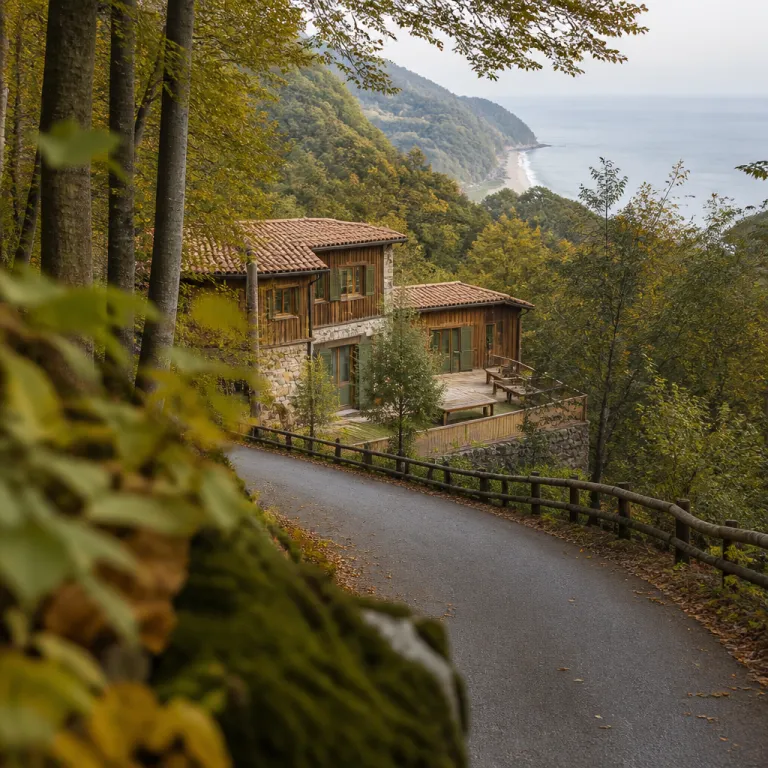
Why caspian coast hotels in Iran feel like another country
Drive three to four hours north from Tehran and the country changes. The arid plateau gives way to the Alborz mountains, then suddenly the road drops into a humid region where rice paddies, tea fields and the Caspian Sea replace desert and brick. For many families planning a trip focused on classic Iran highlights, this first glimpse of the Caspian coast feels like crossing a border into another climate and another rhythm.
The Caspian coast hotels Iran offers sit between dense Hyrcanian forests and a long, often misty coast, so you wake to birdsong instead of city horns. Compared with the monumental squares of Isfahan or the adobe lanes of Yazd, the northern shoreline feels softer, greener and more domestic, with Iranian families picnicking under trees and children running between the sea and the forest edge. That contrast is exactly why north Iran works so well as a second chapter after a cultural tour of Shiraz, Kashan and Tehran.
In this northern region, the Caspian Sea shapes daily life, from the beautiful wooden villas on stilts to menus built around smoked fish and fragrant rice. Forest hotels tucked into the Alborz foothills give you cool air, while coastal resorts along the Caspian coast keep you close to the water and to the largest belt of ancient broadleaf forest in Iran. For families used to desert images of Iran Caspian landscapes, this mix of forest, coast and sea feels both unexpected and deeply relaxing.
Ramsar and Sari: forest hotels between thermal springs and the sea
Ramsar is the classic Caspian coast stop where Iranian royalty once escaped the heat of Tehran. The town sits between the Alborz slopes and the Caspian Sea, so Caspian coast hotels Iran here can offer both forest views and sea breezes in a single stay. For a premium family trip, this combination of thermal springs, historic architecture and easy beach access is hard to beat in north Iran.
One of the top forest addresses is Bam Ramsar Hotel, perched above town near the cable car line with wide terraces facing the coast. From here, you can ride down to the sea for a relaxed day or head inland for a short tour into the Hyrcanian forest, which feels worlds away from the more arid south. A little further east, Salar Dareh Hotel near Sari hides in dense woodland, giving families a beautiful base for hiking, river picnics and drives to the Caspian coast when you want sand instead of trees.
These northern properties show why Caspian coast hotels in Iran are not just about the beach but about the forest as a full destination. Staff can arrange local guides for gentle walks, cultural visits and even a small museum stop in Sari or Ramsar before you return to the quiet of the trees. For a deeper look at Ramsar as a luxury hub between forest and sea, explore this detailed guide to Ramsar city in Iran for refined stays, then match its insights with your family’s pace and interests.
Gorgan, Golestan and the rise of forest luxury in the east
Push further east along the Caspian coast and the mood shifts again. The road threads between the sea and the forested foothills of Golestan province, where the air feels cooler and the light softer than in central Iran. This is where Caspian coast hotels Iran are evolving fastest, especially around Gorgan and the forest edge.
Ghasr Botanic Hotel, set in the greenery near Gorgan, is one of the region’s most polished forest properties for families. Rooms look onto gardens and woodland rather than the sea, yet you are still within reach of the Caspian coast for day trips, which makes it ideal if you want both forest calm and coastal energy. From here, you can plan a tour into Golestan’s national parks, then return to a pool, a proper spa and Iranian dishes that lean heavily on herbs, rice and local fish brought in from the Caspian.
Golestan also works well as a quieter add on to a broader Iran Caspian itinerary that might include Rasht, Lahijan and Anzali in the west. Families who have already sampled island life in the south, perhaps on Kish Island in the Persian Gulf, often appreciate how northern forest hotels offer a cooler, greener counterpoint. In this eastern stretch of north Iran, the Caspian coast hotels balance access to the sea with the sense of retreat that only a deep forest view can give.
Rasht, Lahijan and Anzali: food, families and coastal energy
West of Ramsar, the Caspian coast opens into a looser, more lived in shoreline. Rasht anchors this northern region as a UNESCO City of Gastronomy, and many Caspian coast hotels Iran here lean into food as their main draw. For a family trip, that means long lunches built around smoked fish, sour pomegranate stews and mountains of fragrant rice, followed by slow walks under the trees.
Lahijan, the tea capital of Iran, sits slightly inland on the slopes of the Alborz, with green hills rolling down towards the Caspian Sea. Staying in or near Lahijan lets you pair forest hotels with visits to tea plantations, lakeside promenades and short drives to the coast when children want sand and waves. Bandar Anzali, by contrast, is a working port on the Caspian coast where hotels face the lagoon and the sea, giving you boat rides, bird watching and a more urban energy than in the forest towns.
Across Rasht, Lahijan and Anzali, you will find a mix of mid range and premium Caspian coast hotels that suit families who value location and food over formality. Many Iranian guests use these cities as weekend escapes from Tehran, so expect lively lobbies and late dinners rather than hushed resort corridors. If you are building a longer Iran Caspian itinerary, this western stretch of north Iran balances the quieter forest hotels of Golestan and Sari with a more social, coastal rhythm.
Planning the caspian detour from Tehran: roads, seasons and combinations
Reaching the Caspian coast hotels from Tehran is part of the experience. The classic route climbs through the Alborz mountains before dropping towards the sea, turning a simple transfer into a scenic road trip that shows how quickly Iran shifts from arid plateau to dense forest. Families should plan generous driving time, as weekend traffic from the capital towards north Iran can be heavy.
Spring and early summer are the most beautiful seasons for this region, when the forest is lush, the Caspian Sea is gentle and the air feels cooler than in central Iran. Many travelers pair a week on the classic cultural circuit with three or four nights in Caspian coast hotels Iran, using Ramsar, Sari or Gorgan as a final, slower chapter before flying home. “Salar Dareh, Bam Ramsar, Ghasr Botanic.” is the short answer to the question of which forest hotels to prioritise if you want a mix of comfort, nature and access to the coast.
When planning a broader Iran Caspian journey, think of the region in three bands, moving from west to east. Rasht, Lahijan and Anzali offer food, markets and coastal bustle, Ramsar and Sari sit between forest and sea, while Golestan and Gorgan lean deepest into woodland calm. For a strategic view of how investment and new openings are shaping premium stays across Iran, including in north Iran, it is worth reading this analysis of Iran’s hotel pipeline and regional investment trends before you lock in dates and properties.
FAQ: planning a family stay in northern Iran’s forest and caspian hotels
What are the best forest hotels in northern Iran for families ?
The most established forest hotels for families in north Iran are Salar Dareh Hotel near Sari, Bam Ramsar Hotel above Ramsar and Ghasr Botanic Hotel close to Gorgan. All three sit within easy reach of the Caspian coast while being surrounded by woodland, which gives you both sea access and forest calm. They work especially well on a longer trip that starts in Tehran and continues through the classic cultural cities before ending in the cooler northern region.
How do you reach caspian coast hotels from Tehran safely ?
Most travelers drive from Tehran to the Caspian coast via the main Alborz mountain roads, allowing four to six hours depending on traffic and the exact destination. It is wise to avoid peak holiday departures, check weather forecasts and book a trusted driver or use a reputable Iranian agency if you are not comfortable with mountain driving. Domestic flights link Tehran with cities like Rasht and Gorgan, but a road journey gives you the clearest sense of how Iran shifts from arid plateau to lush northern forest.
What activities can families expect around forest and caspian hotels ?
Forest hotels in north Iran typically offer hiking, gentle walks, river picnics and cultural excursions to nearby towns and markets. On the Caspian coast, families can add beach time, boat rides in places like Anzali and relaxed food focused evenings in Rasht or Lahijan. Many properties work with local guides and tour operators, so you can arrange tailored outings without turning the trip into a rigid guided tour.
When is the best season to visit the caspian region with children ?
Spring and early summer bring mild temperatures, green forests and calmer seas, which suit families who want to balance outdoor time with comfortable hotel stays. Late summer can be hot and humid along the Caspian coast, while winter sees more rain and occasional road disruptions in the Alborz passes. If your broader Iran itinerary includes arid cities like Yazd or Kerman, ending in the cooler northern region can feel especially refreshing for children.
How can a caspian detour fit into a classic iran itinerary ?
A practical pattern is to start in Tehran, move south through Kashan, Isfahan and Shiraz for museums, mosques and historic houses, then return north for three or four nights on the Caspian coast. This structure lets you experience both the arid heartland and the lush northern region without rushed transfers. Forest hotels near Sari, Ramsar or Gorgan make ideal final bases, giving your family time to slow down before the flight home.