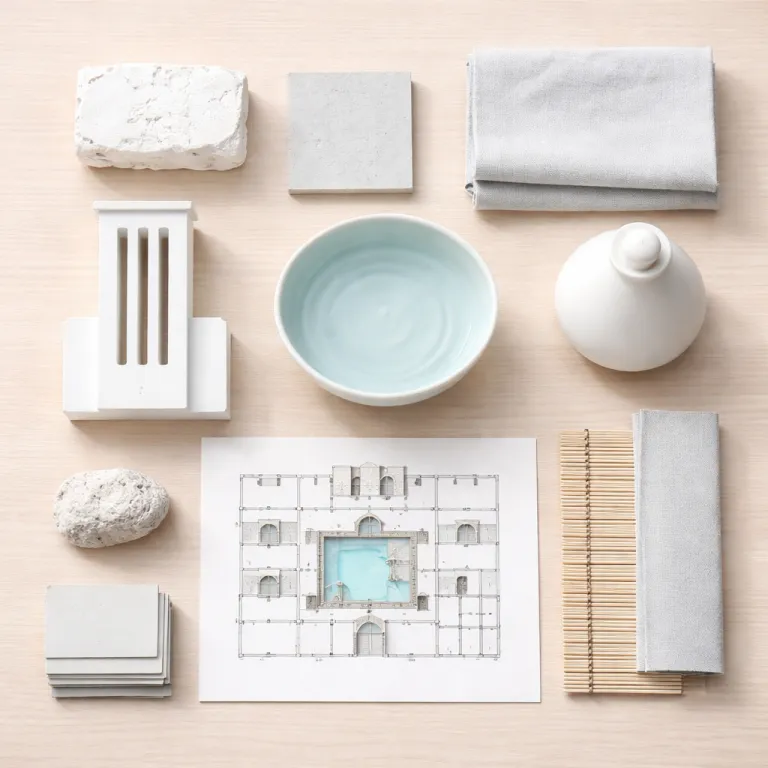
Reading yazd mud brick hotels as a living climate manuscript
Step into yazd mud brick hotels and you feel the temperature drop. The city of Yazd in central Iran has refined earthen architecture into a precise response to desert heat, turning every room into a quiet lesson in regenerative design. For a solo explorer, each courtyard hotel in the brick city becomes both shelter and textbook, where the walls, the mud, and the high walls around shaded gardens explain how people thrived here long before compressors and vents.
Across the historic city Yazd, more than 700 windcatchers rise above brick buildings like slender chimneys. These badgirs define the skyline of yazd iran and guide you toward hotels Yazd that still rely on them, especially around the old quarters near the jameh mosque and the amir chakhmaq square. When you book a hotel Yazd through a curated platform, look for properties that keep their original mud brick walls and courtyards rather than replacing them with glass façades that fight the sun instead of working with it.
Inside these yazd hotels, the logic is simple yet sophisticated. Thick brick walls and packed mud floors act as thermal mass, absorbing heat by day and releasing it slowly at night, so rooms stay several degrees cooler than the street. The best hotels in Yazd Iran combine this structure with modern facilities such as a powerful shower, a discreet minibar, and free wifi, proving that regenerative hospitality here is structural rather than decorative.
Guest comfort still matters, especially if you are choosing between a standard room and a double room with a double bed. In many properties, taxes are clearly included in the nightly rate, and some even highlight that taxes included and free breakfast are part of a transparent pricing philosophy. When you compare options for hotels Yazd, read the small print on whether breakfast is included, whether the free breakfast is served in a shaded courtyard, and how the hotel describes its use of traditional cooling rather than relying only on air conditioning.
How a tower cools a room: badgirs and mud brick in practice
The badgir is the quiet hero of yazd mud brick hotels. From the street you see only a tall tower above the high walls, but inside the hotel the windcatcher channels air down into the room, where it moves across water or cool surfaces before rising again through another shaft. The result is a gentle circulation that can reduce interior temperatures by up to 15 °C, a figure that makes sense the moment you step from the alley into a shaded lobby.
Local experts summarise it clearly in the verified explanation that “They use windcatchers and thick mud-brick walls for natural cooling.” The same source answers the question “What is a windcatcher?” with the line “A traditional architectural element that captures and directs wind to cool buildings.” When guests ask whether these traditional methods still work, the response is equally direct ; “Are these traditional cooling methods effective in modern times? They can reduce indoor temperatures by up to 15°C without electricity.”
In practice, this means that a standard room in a well maintained hotel Yazd can feel surprisingly comfortable even in the middle of the day. Many properties along the old caravan routes, sometimes branded with names that recall the silk road or the road hotel heritage, still use their original brick walls and mud brick roofs as the first line of climate control. Air conditioning units exist, but they are often a backup rather than the main system, which is a crucial distinction for travelers seeking genuinely regenerative hospitality rather than a marketing slogan.
Compared with glass and steel towers in Tehran or other Iranian cities, yazd hotels built in mud brick consume less energy to keep rooms habitable. The walls and high walls around courtyards reduce direct solar gain, while narrow lanes between brick buildings funnel breezes toward the badgirs. For a solo traveler choosing between a conventional city hotel and one of the traditional hotels Yazd, this structural efficiency is as much a reason to book as the promise of free wifi or a generous breakfast included in the rate.
These properties also sit naturally within the wider landscape of luxury desert hotels in Iran, where elegance and heritage meet in the heart of the sands. If you are comparing regenerative desert retreats across the country, it is worth reading a broader guide to luxury desert hotels in Iran, elegance and heritage in the heart of the sands, to understand how Yazd’s earthen architecture differs from newer resorts. In every case, the key question is the same ; does the hotel rely on the climate wisdom of its materials, or does it fight the desert with machinery alone.
Comfort, facilities and the honest ceiling of summer heat
Regenerative hospitality in yazd mud brick hotels does not mean sacrificing comfort. Most premium properties in city Yazd now offer a full range of facilities, from strong free wifi to in room tea trays and a stocked minibar, alongside the traditional architecture. You can expect a private shower in almost every room, with tiled wet areas carved into former storage spaces behind the thick mud brick walls.
Room categories vary, but solo explorers usually choose between a compact single room and a more generous double room with a double bed. In many hotel Yazd listings, you will see clear notes that taxes included and free breakfast are part of the nightly rate, which helps when you are planning a longer stay in Yazd Iran and tracking your budget. Some hotels Yazd also offer late check out or flexible breakfast included times, useful if you plan dawn visits to the jameh mosque or evening walks around the amir chakhmaq complex.
There is, however, an honest comfort ceiling in the hottest weeks of summer. Badgirs and mud brick structures work brilliantly through spring and autumn, when the temperature difference between day and night allows the walls and mud floors to release stored coolness. Once the heat becomes relentless, many yazd hotels quietly rely more on air conditioning, and as a traveler you should know that even the best brick buildings cannot fully offset extreme conditions.
For this reason, solo travelers focused on design and architecture often time their visit to city Yazd for the shoulder seasons. You experience the full effect of natural cooling in your room, sleep comfortably under a light sheet on a firm bed, and wake to a courtyard where free breakfast is served under pomegranate trees. When you book through a specialist platform for hotels Yazd, look for honest descriptions of summer performance rather than vague promises of perfect comfort in every month.
Pricing transparency is another marker of trust in yazd mud brick hotels. Properties that state clearly that taxes are included, that free breakfast is genuinely free, and that wifi is free wifi throughout the hotel signal a respect for guests that matches their respect for heritage. In a city where every mosque, every lane, and every courtyard tells a story of adaptation, that clarity feels like part of the same long tradition of hospitality.
A one day architecture and climate itinerary through yazd iran
Reading yazd mud brick hotels as climate textbooks works best when you step outside your room. Start early, leaving your hotel just after dawn, when the brick city is still cool and the alleys around the jameh mosque are quiet. Notice how the high walls along the lanes keep you in shade, and how the brick walls of houses and hotels Yazd are punctuated by small windows rather than wide glass panes.
Walk toward the jameh mosque Yazd, where the tall minarets and deep iwan frame a courtyard that feels several degrees cooler than the surrounding streets. From there, thread your way through the old quarters toward the amir chakhmaq square and the chakhmaq complex, where many hotel Yazd options cluster behind restored façades. This route lets you compare how different yazd hotels handle their courtyards, from intimate spaces with a single pool to larger compounds that once hosted caravans on the silk road.
After a late morning rest in your room, use the hottest hours of the day to study how your hotel works. Sit near the base of a badgir and feel the air moving across the room, then step briefly into the alley to sense the contrast between the cool interior and the exposed street. Pay attention to how the mud brick walls stay cool to the touch, how the brick buildings around the courtyard cast layered shade, and how your own room remains habitable with minimal mechanical cooling.
Later, as the sun drops, climb to the rooftop if your hotel offers access. From there you can see dozens of windcatchers across city Yazd, each one feeding a different set of rooms and courtyards below, each one part of a network that has cooled Yazd Iran for centuries. This is where the idea of regenerative hospitality becomes tangible ; the entire urban fabric, from mosque Yazd to modest road hotel, is designed to work with the climate rather than against it.
End the day with tea in the courtyard, perhaps after a simple dinner that uses local ingredients and traditional cooking methods. As you sip your tea and check messages on the free wifi, you are sitting inside a functioning piece of environmental engineering that predates modern sustainability jargon. For a solo explorer, that combination of comfort, history, and structural intelligence is precisely what makes yazd mud brick hotels such compelling places to stay.
From mud brick kitchens to saffron breakfasts: food, qanats and quiet luxury
Regenerative hospitality in yazd mud brick hotels extends into the kitchen. Traditional mud brick cooking spaces sit partly below ground, where the walls and mud floors keep temperatures stable for fermenting dairy, storing herbs, and preparing dough for the morning bread. This natural regulation is difficult to replicate in stainless steel kitchens, and it shapes the flavor and rhythm of meals served in many hotels Yazd.
Breakfast is where guests feel this most clearly, especially when breakfast included means a spread of flatbreads, local cheeses, dates, and eggs cooked to order. In many hotel Yazd properties, free breakfast is served in a courtyard where the brick walls still feel cool from the night, and where a qanat fed pool reflects the first light. These underground water channels, developed long before modern plumbing, are another example of how Yazd Iran solved environmental challenges with structural solutions rather than short term fixes.
For travelers interested in the sourcing behind their meals, Iran’s hotel kitchens offer a deeper story. Many chefs in yazd hotels work with local farmers and spice merchants, especially when it comes to saffron, which is often the quiet star of both breakfast and dinner. To understand how luxury properties across the country handle this ingredient, you can read a detailed guide on the saffron hierarchy and how Iran’s hotel kitchens source the world’s most coveted spice, which places Yazd’s practices within a national context of careful procurement.
Quiet luxury here is not about ostentatious décor but about alignment with place. A simple room with a comfortable bed, a reliable shower, and free wifi feels elevated when the building itself is cooling your space, when taxes included and transparent pricing free you from small anxieties, and when your tea is brewed with water drawn from an ancient system that still works. In this sense, yazd mud brick hotels are not retrofitted sustainability stories ; they are the original template for regenerative desert retreats.
As interest in sustainable and regenerative travel grows, Yazd’s role as a UNESCO recognised earthen city becomes more central to how travelers choose hotels in Iran. Whether you stay in a modest road hotel along the old caravan route or a carefully restored property near the mosque Yazd complex, you are participating in a living experiment in low energy comfort. The key is to choose hotels Yazd that respect their mud brick heritage, communicate honestly about their facilities, and invite you to read the building as closely as you read any guidebook.
FAQ
How do yazd mud brick hotels stay cool without constant air conditioning?
Most yazd mud brick hotels rely on a combination of windcatchers, thick mud brick walls, and shaded courtyards to keep rooms cool. The badgirs capture breezes and direct them through the building, while the walls and mud floors absorb heat slowly and release it at night. Air conditioning is usually present but acts as a supplement rather than the primary cooling system in well designed properties.
What exactly is a windcatcher and will I notice it in my room?
A windcatcher, or badgir, is a vertical tower that channels outside air down into the interior of a building. In many hotels Yazd, the shaft opens into corridors or directly into rooms, creating a gentle airflow that can reduce temperatures significantly. As a guest, you may hear a soft movement of air or feel a constant breeze, especially during the afternoon heat.
Are traditional cooling methods in Yazd effective during the hottest months?
Traditional systems in yazd mud brick hotels work extremely well in spring and autumn, when there is a strong difference between day and night temperatures. During the peak of summer, they still help but may not be sufficient alone, so many properties use air conditioning as a backup. If you are sensitive to heat, consider visiting Yazd Iran in the shoulder seasons for the most comfortable experience.
What should I look for when booking a sustainable hotel Yazd?
When choosing a hotel Yazd, look for original mud brick construction, visible windcatchers, and courtyards with mature trees and water features. Check whether taxes are included, whether free breakfast is genuinely included, and whether the hotel offers clear information about its cooling systems. Reviews that mention comfortable rooms without heavy reliance on air conditioning are a good sign of effective traditional design.
Is staying in a mud brick hotel comfortable for solo travelers?
For solo explorers, yazd mud brick hotels can be both comfortable and practical. Many offer compact rooms with a good bed, private shower, minibar, tea making facilities, and reliable free wifi, all within walking distance of major sites like the jameh mosque and the amir chakhmaq complex. The combination of human scale spaces and naturally cool interiors often feels more restful than larger, more anonymous city hotels.