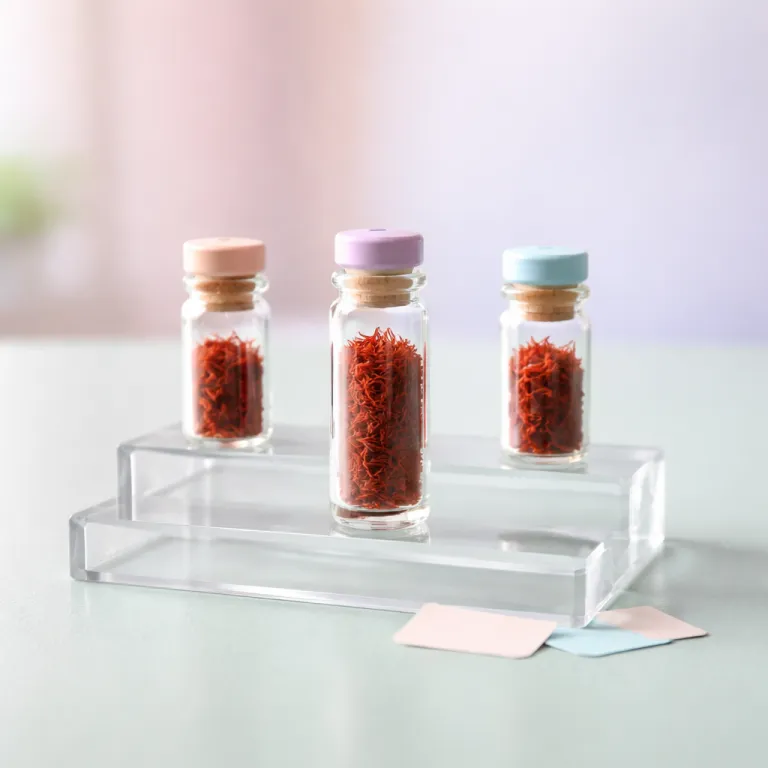
From Khorasan fields to Tehran suites: how iran hotel saffron really works
Iran hotel saffron is not a marketing flourish; it is logistics, regulation and long term planning. Iran produces close to 90% of the world’s saffron according to the Iran National Saffron Council, and a significant share of that Iranian harvest moves from Khorasan fields to hotel kitchens that quietly define what premium hospitality tastes like. For a business or leisure guest landing in Tehran, that journey explains why one plate of rice feels merely regular while another tastes unmistakably royal and distinctly Persian.
The Iranian supply chain starts in South and Razavi Khorasan, where farmers hand pick flowers at dawn and sell threads by the gram to local traders who may manage stock for several years at a time. Council data from 2022 indicates that more than 70% of export grade product passes through Mashhad based seller networks before reaching major cities. Some of those traders then work with specialist exporters in Iran and, according to customs statistics cited by the Tehran Chamber of Commerce, in Dubai, where saffron is repackaged as a luxury product for re export, which is one reason the final price on a Tehran hotel menu can surprise first time visitors. Inside this web, each seller protects reputation through strict quality controls, because a single weak harvest can damage a family name that has traded Persian saffron for generations.
For high end properties in Tehran, iran hotel saffron usually means contracting directly with Khorasan suppliers for top grade sargol, the pure red stigma prized for colour and aroma. Mid tier hotels may opt for pushal or bunch grades, balancing quality and price to keep a regular clientele happy without compromising the core Iranian flavours. As executive chef Reza Mohammadi at a five star Tehran property explained in a 2023 interview with the trade journal Hotel & Restaurant Iran, “Our saffron policy is simple: royal grade for signature dishes, good pushal for volume service, and nothing below ISO 3632 category I in the main kitchen.” When you book a premium suite, you are often paying not only for marble and skyline views, but also for the invisible purchasing decisions that secure high grade saffron for every ceremonial dish.
Reading the threads: how luxury hotels judge saffron quality
In the best Tehran dining rooms, there is usually someone who plays the role of a saffron sommelier, even if the title never appears on a business card. This quiet expert is the person who decides whether iran hotel saffron lives up to its promise, and whether the product served to guests truly reflects Iranian culinary standards. Their daily work turns abstract words like premium, royal and grade into measurable reality that can be defended in audits and supplier reviews.
Quality assessment begins with aroma and colour, as top grade Persian saffron should release a deep, honeyed scent and bleed a rich golden hue when a few threads are dropped into warm water. Experienced buyers compare samples by the gram, checking that the threads are dry but not brittle, and that no yellow styles are mixed into what is sold as pure sargol, because that would lower both quality and fair price. Many luxury hotels now request ISO 3632 lab test reports from their seller saffron partners, looking at crocin and safranal values to verify strength; category I saffron typically shows crocin values above 200. They also monitor stock rotation over years, since even carefully stored saffron loses intensity, and a disciplined seller will maintain a clear policy on how long any batch remains inside the professional kitchen.
For international travelers used to saffron from Spain or Dubai, iran hotel saffron can feel denser and more powerful, which is the reason chefs use it sparingly yet confidently. When you sit down to a tasting menu in a Tehran skyscraper hotel, ask how the saffron is sourced and whether the same seller saffron supplies both the restaurant and the gift shop. That single question often reveals how seriously the property treats its reputation for Iranian gastronomy and whether its luxury positioning is more than a label backed only by décor and marketing language.
Is there a Saffron Hotel in Iran? There are several Iranian hotels and guesthouses that use saffron in branding or décor themes, but no widely recognised national chain formally registered under the exact name “Saffron Hotel Iran” in major tourism directories at the time of writing, based on checks of domestic booking platforms and Ministry of Cultural Heritage listings.
For travelers evaluating whether high end Iranian stays are worth the investment, this attention to saffron quality sits alongside visa rules and safety considerations, which are explored in depth in our guide on whether Americans can travel to Iran for luxury stays. Understanding both the culinary and practical frameworks helps you judge each property with clarity. In Tehran, the hotels that treat saffron as red gold usually extend the same care to service, linens and late checkout negotiations.
From harvest to hotel menu: timing, price and the Tehran kitchen
The saffron harvest in Khorasan takes place in late autumn, yet its impact is felt on Tehran hotel menus many months later. Executive chefs at leading Iranian properties plan spring and summer dishes based on how much top grade stock they secured during that brief window, which is why iran hotel saffron is as much about timing as terroir. When a harvest is lean, the reason you see fewer saffron forward dishes in a premium restaurant often lies hundreds of kilometres away in a frost touched field and in the hotel’s risk management policy.
Inside the purchasing office, the finance team tracks every gram, negotiating with long standing seller relationships to lock in a fair price that will hold for years if the harvest is strong. Industry reports from the Iran National Saffron Council show that wholesale prices for category I Persian saffron have fluctuated between US$800 and US$1,500 per kilogram over the past five years, which directly shapes hotel menu engineering. Some hotels hedge by working with both domestic traders and Dubai based exporters, balancing currency risk and ensuring that their product pipeline remains stable even when local conditions shift. The internal policy on how much royal grade sargol to reserve for signature dishes versus regular banquet menus becomes a strategic decision, not a mere culinary preference.
For guests, this background matters when comparing room rates and dining packages across Iran, because a property that invests heavily in saffron usually signals broader commitment to quality. Our guide on how to find the best price for luxury hotels in Iran explains how to read between the lines of offers and upgrades. When you see a tasting menu built around Persian saffron, you can be confident that the hotel has aligned its purchasing, staffing and service standards around a single, very fragrant axis.
On the plate: dishes that justify iran hotel saffron
The most persuasive argument for iran hotel saffron arrives not in a brochure but on a porcelain plate. In Tehran’s top dining rooms, chefs use saffron to anchor a handful of dishes that define Iranian hospitality for business travelers extending their stay. These plates are where premium and regular experiences part ways decisively and where the true value of the ingredient becomes visible.
Start with zereshk polo, where barberry studded rice glows from a careful infusion of Persian saffron, and the chicken emerges bronzed rather than merely coloured. Here, every gram of royal grade threads is hydrated, bloomed and folded through the rice in stages, a technique that protects both aroma and texture while justifying the higher price of the dish. In banqueting halls, some kitchens switch to a lower grade product for volume service, but the best hotels maintain a strict policy that even large events receive authentic Iranian flavour rather than diluted colour.
Sholeh zard, the ceremonial rice pudding, is another benchmark for iran hotel saffron, because its simplicity leaves no room to hide weak quality. When made with strong stock of Khorasan threads, the dessert carries a deep golden tone and a perfume that lingers, which is the reason many guests remember it more vividly than any main course. Even ash e reshteh, a humble noodle and herb soup, relies on a precise final drizzle of saffron infused oil, proving that in Persian cooking a few drops of red gold can elevate the most regular recipe into something quietly royal.
For travelers curious about how these flavours translate beyond Tehran, our elegant guide to Kashan for luxury and premium stays maps where historic courtyard properties serve equally refined saffron dishes. Across Iran, the hotels that treat saffron with respect tend to excel in tea service, breakfast spreads and late night room service as well. Follow the saffron, and you usually find the most attentive service culture.
Tea, gifts and the gap between kitchen and counter
Not every use of saffron in a luxury hotel is created equal, and savvy guests learn to read the signals. Saffron infused tea, for example, can be either a thoughtful Iranian gesture or a slightly gimmicky upsell, depending on how the hotel handles grade and price. When iran hotel saffron is treated as a serious ingredient, you will taste depth rather than a faint, perfumed suggestion, and the colour in the cup will match what you see on the plate.
At breakfast, ask whether the saffron in your tea or omelette comes from the same stock used in the main kitchen, or from a separate, more regular batch reserved for high volume service. Many properties maintain two levels of product, keeping royal grade threads for key dishes while using lower grade or older stock for beverages, which is a reasonable policy as long as staff communicate it honestly. The reason this matters is simple, because transparency about quality builds reputation, and a hotel that is candid about its saffron choices is usually trustworthy in other operational areas.
The biggest gap often appears between what you eat and what you are invited to buy, especially in lobby shops selling gift boxes of Persian saffron to guests flying on to Dubai or Europe. Always ask whether the seller saffron behind the counter matches the grade used in the restaurant, and whether the price per gram reflects that difference, because gift packaging can hide a very regular product inside royal looking tins. Over the years, experienced travelers have learned to treat iran hotel saffron purchases like any other investment in Iran, checking origin, harvest date and storage conditions before committing to a box that claims to hold red gold.
FAQ
How does iran hotel saffron differ from saffron served elsewhere ?
Iran hotel saffron usually comes from Khorasan, where most of Iran’s saffron is grown, so the threads tend to be more intense than many European varieties. Luxury hotels in Tehran often use top grade sargol, which delivers stronger colour and aroma per gram. This means chefs can achieve deeper flavour with smaller quantities, especially in signature Persian dishes that rely on fragrance as much as colour.
Why is saffron based food sometimes more expensive in Tehran hotels ?
The price reflects both the global value of saffron and the hotel’s decision to buy higher grades for its kitchen. Properties that prioritise premium Iranian ingredients lock in contracts with trusted seller networks, sometimes in both Iran and Dubai, to secure consistent quality. Those long term relationships, ISO 3632 testing and careful stock management over years naturally raise menu costs.
Are saffron gift boxes in hotel shops the same quality as restaurant saffron ?
Often they are not, because many hotels use royal grade saffron in the kitchen while selling more regular product in retail packaging. Always ask staff which grade is inside the box and whether it matches what you tasted at dinner. Checking harvest region, date and price per gram helps you judge whether the seller saffron offer is genuinely premium.
What saffron dishes should business travelers prioritise during a short stay ?
If time is limited, focus on zereshk polo with saffron rice, sholeh zard and a carefully made ash e reshteh. These dishes show how well a hotel handles both technique and ingredient quality. Ordering them in different properties across Iran is an efficient way to compare kitchens when you are choosing where to return.
Is saffron tea in Iranian hotels worth ordering ?
Saffron tea can be excellent when made with fresh, high grade threads and brewed with restraint. In some hotels it is more of a visual gesture, using older or lower grade saffron mainly for colour. Ask whether the same stock used in cooking is used for tea, and decide based on that answer and on the stated price per serving.