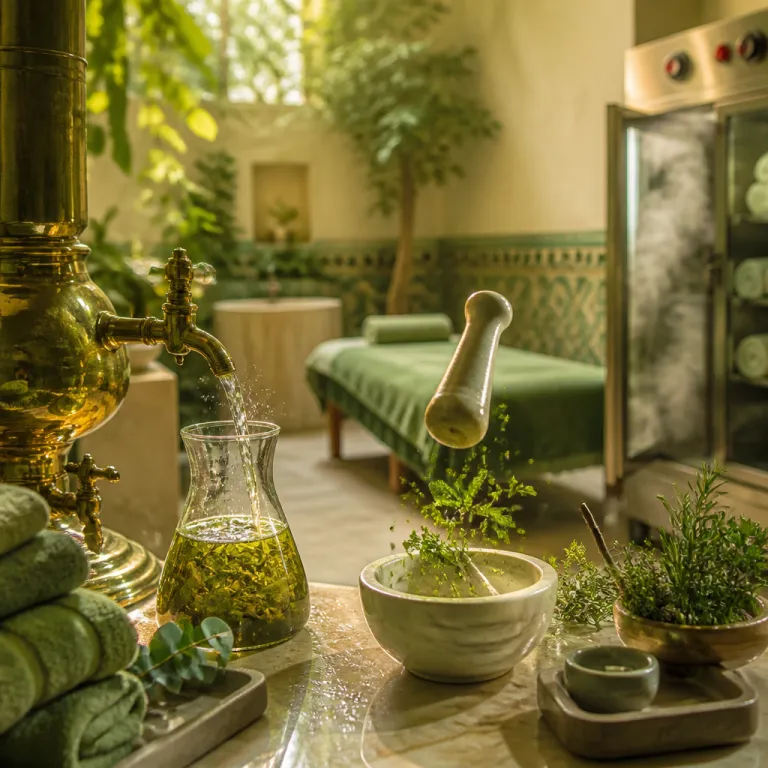
Iran spa hotels wellness: where business trips become healing retreats
Iran spa hotels wellness experiences often begin in places that still feel resolutely local, even when the lobby smells of white tea and the Wi-Fi is fast. In Tehran, the contrast between traffic outside and the calm of a polished hotel spa inside is often the first signal that this is not another generic Middle East business stop. For executive guests used to a quick steam in Turkey or a design led wellness hotel in Italy, the shift in Iran is quieter, more medicinal and more intentional.
The most interesting Iran spa hotels wellness offerings sit at the crossroads of tibb-e sonnati, or traditional Persian medicine, and contemporary hydrotherapy. Therapists talk about body temperament before they mention pressure points, and herbal infusions are matched to your constitution rather than to a generic relaxation rejuvenation promise. This is where Iran begins to stand apart from the familiar spa resort circuits of Bali or Bali Indonesia, because the wellness narrative is rooted in centuries of medical scholarship rather than only in hospitality trends.
For business travellers extending a stay in Tehran, the question is not whether a hotel has a spa, but how deeply it leans into this heritage. Some hotels still treat the hotel spa as a pleasant add on, with standard massages and compact swimming pools tucked below ground. The best properties now frame the spa as a full wellness retreat in miniature, where services, nutrition and even sleep rituals are aligned to support guests who arrive jet lagged, over scheduled and ready for a discreet but effective reset.
From hammam to high rise: city hotel spas redefining wellness in Tehran
In the capital, Iran spa hotels wellness concepts are evolving fastest inside large urban properties that once focused almost exclusively on conferences. Several long-established business hotels near Tehran’s historic core now run male only spa areas that blend Persian arches, mosaics and modern hydrotherapy equipment in a way that feels more like a contemporary hammam than a corporate basement. Newer high-rise properties on the northern edge of the city have become reference points for how a hotel spa can integrate a Turkish bath, or hammam style wet area, with professional massage services that still respect Iranian modesty codes.
In Isfahan, a number of mid-sized hotels now publish spa menus that read like a bridge between eras, listing Iranian and foreign traditional massages beside herbal compress therapies and keseh style exfoliation. These city hotels show how Iran spa hotels wellness programs can serve both international guests and domestic travellers who grew up with public bathhouses but now expect luxury finishes and precise service. For executives flying in from Turkey or Italy, the familiarity of a steam room and sauna is there, yet the conversation quickly shifts to circulation, detoxification and the specific mineral or herbal profile of each treatment.
Tehran’s larger properties illustrate the spectrum. In the hilltop districts, the spa resort feeling comes from elevated city views, generous swimming pools and a treatment list that nods to global best spa practices while still offering Persian inspired rituals. In more central palace hotel style properties, the hotel spa is often more compact, but the focus on attentive services and efficient, targeted treatments suits business guests who can only spare an hour between meetings. Across these hotels, the shared thread is a move away from generic pampering toward wellness tourism thinking, where even a short stay is framed as a chance for measurable relaxation rejuvenation.
Hot spring resort hotels: Iran’s original destination spa landscape
Outside the cities, Iran spa hotels wellness experiences deepen around mineral springs that have drawn travellers for generations. Sarein in Ardabil Province is the clearest example, a town where entire complexes combine accommodations, hydrotherapy pools, saunas and jacuzzis built directly around hot springs rich in minerals. For guests used to the polished choreography of an Adler Spa in the Alps or a destination spa in Italy, Sarein feels more elemental, but the core idea of a wellness retreat is unmistakable.
Ramsar on the Caspian coast adds another layer to Iran spa hotels wellness credentials, with sulfur rich hot springs long associated with circulation support and detoxification. Here, resort style properties pair sea air with thermal waters, creating spa retreats that work well for year round escapes from Tehran’s dry climate. Dehloran in Ilam Province, where thermal waters are widely reported to reach high temperatures according to regional tourism authorities, has been highlighted as an important natural site, and the surrounding resort developments are slowly aligning their services with international wellness clinic expectations.
For travellers comparing options across the Middle East, these hot spring hotels position Iran as a serious wellness tourism player rather than a niche curiosity. The best spa hotels in Sarein and Ramsar now offer structured spa retreats, with multi day programs that combine hydrotherapy sessions, supervised use of swimming pools and consultations inspired by Persian medicine. If you want a deeper dive into how these hot spring resort hotels are evolving, a refined guide to the best spa hotels in Iran for a luxurious stay on a dedicated Iran-focused accommodation platform can help map out which properties already meet international wellness hotel standards and which are still in transition.
Inside the treatment room: how Persian medicine shapes modern hotel spa menus
The most distinctive Iran spa hotels wellness experiences are not defined by marble or square metres, but by how seriously they treat tibb-e sonnati. Traditional Persian medicine starts from the idea of individual temperament, or mizaj, and many hotel spa therapists now open each session with a few quiet questions about sleep, digestion and stress rather than a simple pressure preference. One Tehran-based therapist described it as “a short conversation that lets us see whether a guest needs cooling, warming or simply grounding,” a process that feels closer to a light wellness clinic consultation than to a standard pre massage form, and it sets the tone for treatments that are both indulgent and purposeful.
On the table, keseh exfoliation, mineral mud applications and herbal compresses are used with clear intent, not as exotic add ons. In some Iran spa hotels wellness programs, mud from specific regions is chosen for joint support, while herbal infusions are served according to whether a guest is considered warm or cold in temperament. For business travellers used to the polished choreography of spa resorts in Bali or Bali Indonesia, this emphasis on diagnosis before treatment can be disarming at first, yet it often leads to more tailored relaxation rejuvenation.
Hotels that take this integration seriously also invest in staff training, often working with traditional medicine practitioners and local artisans to ensure authenticity. The result is a new generation of wellness retreat offerings where the line between hotel spa and light wellness clinic becomes intentionally blurred, without crossing into medical territory that requires hospital level oversight. For a deeper sense of how this philosophy extends beyond the treatment room into service culture, thoughtful writing on taarof, tea and the quiet code of Persian hotel hospitality shows how the same respect and ritual shape every interaction, from check in to the final herbal tea served after your last hydrotherapy session.
Health tourism, medical recovery and the executive wellness retreat
Iran spa hotels wellness growth is closely tied to the country’s expanding health tourism sector, which now attracts significant numbers of regional visitors seeking both medical procedures and post treatment recovery. Many international guests arrive for dentistry, cosmetic surgery or more complex interventions, then move to a spa resort or wellness hotel for supervised rest once hospital discharge is complete. For executives from Turkey, Iraq or the wider Middle East, this combination of clinical care and hotel based wellness retreat has become a pragmatic way to manage both health and privacy.
City hotels in Tehran and regional resort properties near hot springs are adapting their services to this reality. Some Iran spa hotels wellness programs now include gentle hydrotherapy, lymphatic drainage style massages and nutrition guidance specifically designed for post procedure guests, always within the boundaries of what a hotel spa can safely offer. The phrase often used in national tourism guidance that “Are these spa treatments safe? Yes, when performed by trained professionals.” is taken seriously, with clear protocols about what can and cannot be done in a non medical setting.
For business travellers who simply want to turn a work trip into a soft wellness retreat, the same infrastructure works beautifully. You can book stay packages that combine airport transfers, flexible check in, access to swimming pools during quieter hours and a curated sequence of spa treatments spaced across several days. In this context, Iran spa hotels wellness offerings compete less with leisure focused resorts in Bali Indonesia and more with urban wellness tourism hubs in Turkey or Italy, yet they differentiate themselves through the depth of Persian medical heritage and the understated, almost private nature of the experience.
Choosing and booking the right Iran spa hotel for a restorative stay
For travellers used to scanning star ratings and generic wellness labels, navigating Iran spa hotels wellness options requires a slightly different lens. Start by deciding whether you want an urban base in Tehran, with easy access to meetings and culture, or a full retreat in a hot spring resort town like Sarein or Ramsar. Urban hotels with strong business infrastructure work best if you need meeting rooms and reliable connectivity alongside a capable hotel spa, while hot spring resorts suit those ready for multi day spa retreats focused on hydrotherapy.
Next, read reviews with an eye for detail rather than for simple praise, because the best Iran spa hotels wellness properties are those where guests mention specific therapists, treatment names and the quality of herbal products. Look for references to structured wellness retreat programs, clear explanations of services and thoughtful touches such as quiet relaxation rooms or gender separated swimming pools that still feel elegant. When comparing options across the Middle East, remember that Iran’s strength lies less in flashy design and more in the fusion of destination spa thinking with serious, tradition informed care.
Finally, always book stay and spa appointments in advance, especially if your travel dates coincide with local holidays or peak conference seasons. Many of the best spa hotels operate with compact but highly trained équipes, so last minute slots can be rare, particularly for multi hour rituals or couples’ treatments. If you are balancing meetings and treatments, ask the hotel to design a year round friendly schedule that respects your working hours, and do not hesitate to request free time buffers between sessions so that your relaxation rejuvenation feels like a true retreat rather than another item on a busy agenda.
Frequently asked questions about Iran’s hotel spa and wellness scene
What is Persian medicine and how does it appear in hotel spas ?
Persian medicine, or tibb-e sonnati, is a traditional medical system that focuses on individual temperament, balance and prevention. In Iran spa hotels wellness programs, it appears through personalised consultations, the use of specific herbs, oils and muds, and treatment sequences designed to rebalance rather than simply relax. Guests may experience tailored infusions, keseh exfoliation and temperature based hydrotherapy chosen according to their constitution.
Are spa treatments in Iran’s hotels safe for international guests ?
Hotel spa treatments in Iran are designed for relaxation and light therapeutic support, not for invasive medical procedures. Properties that take wellness seriously invest in staff training, modern equipment and clear hygiene protocols, often working with qualified traditional practitioners for menu design. As national tourism guidance emphasises, “Are these spa treatments safe? Yes, when performed by trained professionals.” and reputable hotels adhere closely to that standard.
Do I need to book spa services before I arrive in Iran ?
Advance reservations are strongly recommended, especially at leading Iran spa hotels wellness properties in Tehran, Sarein and Ramsar. Executive travellers and health tourists often secure peak evening and weekend slots well ahead of time, leaving limited walk in availability. Booking treatments when you book stay ensures better timing, access to preferred therapists and the possibility of multi day wellness retreat planning.
How do Iran’s spa hotels compare with those in Turkey or Bali ?
Iran spa hotels wellness offerings are generally more intimate and medically informed than many large scale resorts in Turkey or Bali Indonesia. While you may find fewer beachfront infinity pools, you gain access to mineral rich hot springs, Persian medicine inspired rituals and a quieter, more private atmosphere. For travellers who value depth of care over spectacle, Iran’s emerging destination spa landscape can feel more restorative than some long established resort circuits.
Can I combine medical treatment with a spa based recovery stay ?
Many international visitors already pair hospital procedures in Iran with recovery time in spa hotels or hot spring resorts. City properties in Tehran and regional resorts near Sarein or Ramsar offer gentle hydrotherapy, light massages and rest focused services suitable for post procedure guests, always within non medical limits. It is essential to follow your physician’s advice and to inform the hotel spa of any recent treatments so they can adapt or limit services appropriately.