Reading the sofreh: why iranian hotel breakfast defines your stay
Reading the sofreh: why iranian hotel breakfast defines your stay
The most revealing meal in Iran is not dinner but breakfast. An Iranian hotel breakfast quietly shows whether a property respects local producers, understands the rhythm of service, and cooks for Iranians as much as for international guests. When you travel in Iran with family, this first meal of the day becomes your clearest lens on Persian hospitality and everyday culture.
In many luxury hotels in Iran, the geometry of the sofreh still shapes how breakfast is served. Sofreh literally means the cloth, yet in practice it describes the entire arrangement of food, the way each dish is placed so that every guest can reach bread, cheese, butter, honey, and tea without strain. When a hotel team honours this traditional Persian layout, the breakfast feels communal even when presented as a modern buffet.
Food researchers such as Najmieh Batmanglij and hotel chefs in Tehran and Isfahan note that a large share of Iranians still engage in some form of traditional dining at home, and that instinct travels into hotel kitchens. For premium families, this matters because a carefully staged Iranian breakfast is both structured and relaxed, allowing children to explore Iranian food in small, reassuring steps. You can start the day with one familiar meal element, then add a new dish or condiment each morning.
Hotel staff and guests are the two constant actors in this choreography, and the best properties treat them as partners rather than service and client. The team prepares and serves breakfast with a sense of ceremony, while guests are gently encouraged to participate fully, ask questions, and engage with hosts. When that exchange works, the Iranian hotel breakfast becomes less a hotel amenity and more a short daily lesson in how Iranians share food.
The bread and cheese tests: simple measures of serious kitchens
If you remember one rule about Iranian hotel breakfast, make it the bread test. In Iran, breakfast bread is never an afterthought, and a luxury property that bakes or sources sangak or barbari fresh each morning is operating at a different level of care. When you travel across Iran with children, letting them watch a baker slide dough onto hot stones can be as memorable as any museum visit.
Look first at the bread counter before you fill a plate with other food. You want to see at least one traditional Persian flatbread such as sangak, lavash, or barbari, ideally still warm and clearly baked that day rather than reheated. If the bread feels dry or generic, the rest of the meal may follow the same pattern, with international items taking priority over regional Iranian food.
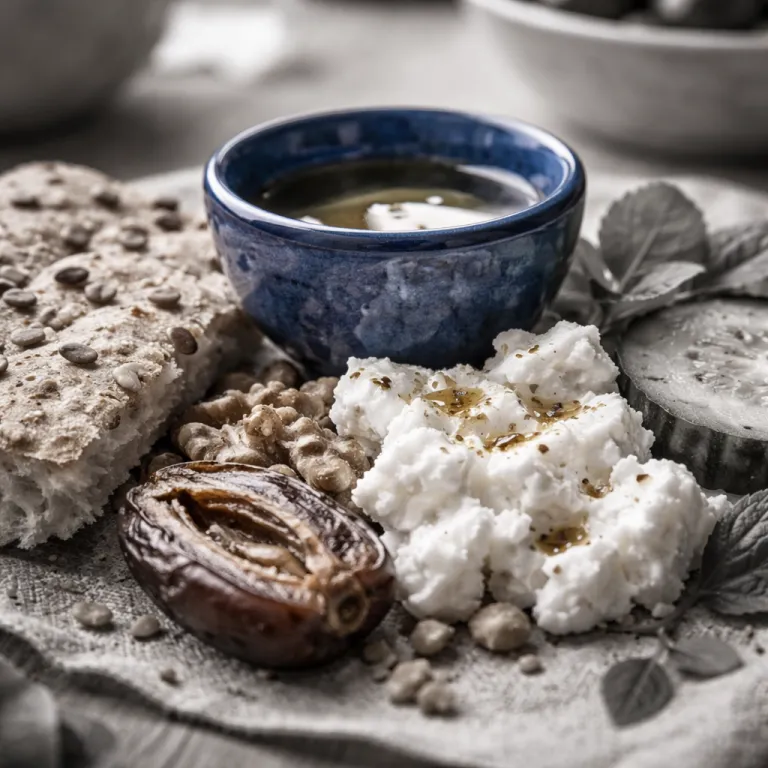
The second measure is the cheese, because panir is the quiet hero of Iranian breakfast tables. A top hotel will offer a feta-style cheese that is local, crumbly, and slightly tangy, sometimes paired with walnuts, herbs, or sliced cucumber for a fresh contrast. When the cheese is imported, rubbery, or pre-sliced, it signals a kitchen more focused on volume than on the subtleties of Iranian taste.
Watch how these elements are served, because service tells its own story about hospitality. In some heritage properties, staff still bring a small sofreh to your table, laying out bread, cheese, butter, honey, and jam in a deliberate pattern that invites sharing. In larger city hotels, the same meal becomes a buffet, yet you can still read the priorities in which dishes are replenished quickly and which are left to languish.
From sofreh to buffet: three tiers of iranian hotel breakfast
At the international modern tier, think of properties in northern Tehran or large coastal cities where breakfast buffets stretch the length of the dining room. Here, Iranian hotel breakfast usually sits alongside Western staples, and the challenge is to see whether the Iranian section feels like the heart of the meal or a token corner. A strong kitchen will keep the traditional Persian dishes as the anchor, with eggs, bread, cheese, and tea supported by lighter continental options rather than overshadowed by them.
In these hotels, the day often starts with a generous spread of hot and cold food, from grilled tomatoes and nimroo-style eggs to cereals and pastries. Families can let children begin with something familiar, then guide them towards an Iranian breakfast plate of sangak, local cheese, butter, honey, and perhaps a spoon of sour cherry jam. The best teams understand pacing, refilling fresh dishes in smaller batches so that every guest meets food at its peak rather than after a long wait under heat lamps.
Step down in scale but up in character and you reach the heritage properties, where the sofreh logic is most visible. In places such as Moshir al-Mamalek Garden Hotel in Yazd, staff can still arrange a sofreh on the floor for guests who request it, turning breakfast into a quiet ceremony rather than a rush. You sit close to the food, tear bread by hand, and share each dish, which makes this meal an easy cultural entry point for children who might find formal dinners more intimidating.
Finally, there are the smaller family-run guesthouses that operate with fewer choices but sharper focus. Here, breakfast is usually served at a fixed time, with one or two hot dishes, a basket of bread, a plate of cheese, and a pot of strong tea that anchors the table. These meals may not feel august top in terms of variety, yet they often deliver the most honest reading of local Iranian food traditions.
Tea, not espresso: managing expectations and pleasures
For many luxury travelers, the first surprise of an Iranian hotel breakfast is that coffee rarely leads the show. Iran is a tea country, and even in top-tier hotels the most reliable morning ritual is a pot of strong, amber-coloured chai poured into small glasses. If you need espresso to start the day, plan ahead, because the local rhythm is built around tea and the social pauses it creates.
In practice, this means that the most carefully handled beverage at breakfast is almost always tea rather than coffee. Staff know how to keep the samovar at the right temperature, how long to steep the leaves, and how to balance strength with clarity so that the drink supports the meal instead of overwhelming each dish. When you travel in Iran with family, teaching children to sweeten their tea with a small sugar cube or a drizzle of honey can become a gentle daily ritual.
Coffee, by contrast, is improving yet still inconsistent, especially outside major business hotels. Some properties offer capsule machines or basic filter coffee, but it rarely reaches the same standard as the tea that has been perfected over generations. A practical strategy is to enjoy tea with your Iranian breakfast, then seek out a specialist café later in the day if you crave a more refined espresso.
This focus on tea also shapes how food is paced and served throughout the morning. Guests linger longer, taking small amounts of bread, cheese, butter, and jam between sips, which suits families who prefer an unhurried start day rather than a rushed grab-and-go meal. The whole experience reinforces the idea that Iranian hotel breakfast is not just fuel but a daily space for conversation, planning, and quiet observation of local life.
Planning as a premium family: using breakfast to choose your hotel
When you browse properties on myiranstay.com, pay close attention to how each hotel describes its Iranian hotel breakfast. A detailed mention of bread types, local cheese, and traditional Persian dishes usually signals a kitchen that takes regional food seriously. Vague references to an international buffet with no Iranian breakfast specifics often indicate a missed opportunity for cultural immersion.
For families, this meal is the easiest way to introduce children to Iranian food without pressure. You can start day one with a simple plate of bread, butter, and honey, then gradually add walnuts, herbs, or a new jam as confidence grows. Because breakfast is served in a relaxed setting, children can watch how other guests eat, copy small gestures, and ask questions without the formality of a dinner service.
When evaluating options, look for hotels that mention working with local suppliers or bakeries, because that usually translates into fresher food and more characterful dishes. Properties that still offer a sofreh on request, even when most guests sit at tables, tend to have a deeper connection to Iranian dining customs and a stronger sense of ceremony. These are also the hotels most likely to handle dietary needs thoughtfully, since they are already used to tailoring the meal to different family habits.
As visa rules and registration requirements evolve, choosing a well-established property becomes even more important for premium travelers. Guides on topics such as registered accommodation and new visa frameworks help you understand why certain hotels can offer more reliable service and clearer support throughout your stay. Once you have narrowed your list, you can subscribe newsletter updates from trusted platforms so that any change affecting breakfast service hours, family seating, or seasonal Iranian food offerings reaches you before you travel Iran with children.
Frequently asked questions about iranian hotel breakfast
What is a sofreh in the context of hotel breakfast ?
A sofreh is the cloth spread on the floor or table that structures how an Iranian meal is arranged and shared. In many hotels, the sofreh logic still guides how bread, cheese, butter, honey, and other dishes are placed, even when breakfast is served as a buffet. The term has come to describe both the textile and the entire ceremonial layout of the meal.
Why is breakfast often communal in Iran ?
Breakfast in Iran tends to be communal because sharing food at the start of the day reinforces family bonds and social ties. Many Iranians grew up sitting around a sofreh, passing bread and tea rather than eating separate plates in isolation. Hotels that recreate this feeling help guests experience the community-building side of Iranian hospitality.
What foods are typical in an iranian hotel breakfast ?
Typical foods in an Iranian hotel breakfast include flatbreads such as sangak, barbari, or lavash, along with local cheese, butter, honey, jams, and strong black tea. Many hotels also serve eggs, fresh vegetables, and sometimes halva or other sweet items for guests who prefer a richer meal. The exact mix varies by region, but bread and tea almost always anchor the table.
How can I respectfully participate in a traditional style breakfast ?
To participate respectfully, follow the lead of your hosts and other guests, and be willing to share dishes rather than guard a single plate. It is polite to accept at least a small piece of bread or a sip of tea when offered, and to thank hotel staff who prepare and serve breakfast with such care. Asking simple questions about each dish often opens warm conversations and shows genuine interest in local culture.
Do most hotels in Iran still follow traditional dining customs ?
Many urban hotels have adopted modern dining rooms and buffets, yet a significant share of properties still incorporate traditional customs such as the sofreh layout or shared plates. Observers of Iranian food culture note that traditional habits at home naturally influence hotel practices. When booking, you can ask directly whether the property offers a more traditional Persian breakfast experience if that is important to your trip.
Expert references
What is a sofreh? A cloth spread for serving meals that also shapes how the food is shared. Why is breakfast communal in Iran? To foster community, continuity, and tradition at the start of the day. What foods are typical in an Iranian hotel breakfast? Flatbreads, cheeses, jams, and tea, often served with butter, honey, and seasonal fresh produce.