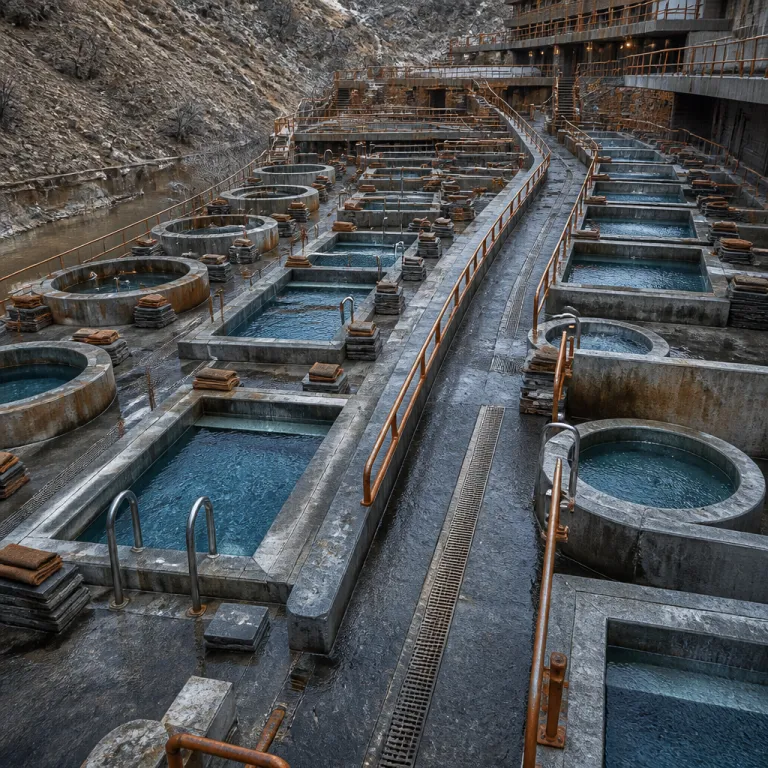
Where iran hot springs hotels meet mountain air and family comfort
Iran sits on a lattice of hot mineral water, and nowhere is this more tangible than in its northern and central provinces. For families seeking Iran hot springs hotels and spa-style resorts, the appeal lies in combining alpine air, therapeutic waters, and properties that understand what children and grandparents actually need. In these mountain towns, local people have bathed in hot springs for generations, and the new luxury resorts are finally catching up with that lived wisdom.
Across the country, from Ardabil province in the northwest to Markazi province in the center, hot spring traditions are being reframed as modern wellness escapes. A 2022 report by the Iranian Cultural Heritage, Handicrafts and Tourism Ministry noted a clear rise in health-focused stays, as people pair mineral springs with spa menus, hammams, and guided nature walks. This quiet shift is turning once modest water springs into destinations where Iran hot springs travelers expect crisp linen, serious housekeeping, and concierge teams who can arrange both a private hot water pool and a day trip to a nearby city.
Three areas now anchor any serious guide to springs Iran wellness: Sarein in Ardabil province, Mahallat in Markazi province, and the more rugged hot mineral corridors of Mazandaran province and West Azerbaijan. Each area is located close enough to a major city to work within a two week Iran itinerary, yet far enough into the mountains that the night sky still feels properly dark. One hotelier in Ardabil described it simply: “Families come for two or three nights, breathe the cold air, soak in the pools, and leave looking lighter.” For premium families, the best hot strategy is to treat these hot spring towns as two or three night stopovers, stitching them between Tehran, Isfahan, Shiraz, and the caravanserai dotted deserts.
Sarein: iran hot springs hotels in Ardabil’s alpine bowl
Sarein is located in Ardabil province, cupped by green slopes and fed by at least nine distinct mineral springs. The Sarein Municipality has overseen a wave of new hotels and eco friendly renovations, and according to provincial tourism statistics the town now welcomes several million people each year, many of them domestic tourists seeking relief from joint pain. Official guidance from local tourism offices is clear about the health benefits, stating that “What are the health benefits of Sarein's hot springs? Believed to aid in treating bone and joint pains.”
Most Iran hot springs hotels in Sarein cluster around the main water spring complexes, where hot water is piped into tiled pools, private cabins, and family friendly baths. High end properties such as Laleh Sarein Hotel and Sabalan Grand Hotel typically offer separate pools for men and women, plus mixed family hours, which works well for travelers with children who want to enjoy the hot springs together. On a typical August evening, you might see grandparents easing into the hottest pools while teenagers race between slides and warm baths. In peak time, especially during school holidays, the best hotels can fill quickly, so booking ahead through a specialist platform is essential if you want top floor suites with mountain views and direct access to the mineral water facilities.
Summer is widely considered the best time to visit Sarein, when daytime temperatures are mild and evenings cool enough to justify another soak in the hot spring pools. During this period, the area around the springs Iran complex feels like a small festival, with local people selling Ashe Dough, honey, and mountain herbs to tourists strolling between hotels and bathhouses. Families can combine morning sessions in the mineral spring waters with short hikes into the hills, pony rides for children, and excursions to Ardabil city for Safavid architecture and bazaar browsing, returning at dusk to watch steam rise from the pools against a backdrop of pink mountains.
Mahallat: therapeutic properties and understated iran hot springs hotels
Mahallat, in Markazi province, has long been known among Iranians for its mineral springs, but only recently has it started to appear on international wellness maps. The town is located south of Tehran, reachable by road in several hours, which makes it a practical stop for families driving between the capital and central Iran. Here, the focus is less on spectacle and more on the therapeutic properties of the mineral water, which local people have used for skin conditions and circulation issues for decades. A Mahallat guesthouse owner summed it up: “People don’t come here for selfies; they come because their knees hurt less after a few days.”
Iran hot springs hotels in Mahallat tend to be low rise, with simple facades that hide surprisingly well equipped spa floors, including private hot mineral pools and treatment rooms. Many hotels pipe hot water directly from nearby water springs into tiled baths, allowing guests to experience the mineral spring effect without leaving the property. For parents, this means children can enjoy supervised swims in cooler pools, while adults rotate between hotter waters, cold plunge basins, and dry saunas designed to complement the natural mineral springs, all within a short walk of their rooms.
From Mahallat, it is easy to weave a broader itinerary that includes Kashan’s historic hammams and Isfahan’s riverfront gardens, creating a rhythm between cultural immersion and hot spring recovery. Traditional bathhouses such as Sultan Amir Ahmad in Kashan and Vakil Bath in Shiraz offer a cultural counterpoint to the more clinical feel of some modern water spring complexes, grounding the experience in Iran’s long bathing heritage. When you compare Iran hot springs hotels across Sarein and Mahallat, Sarein is better for large scale facilities and cooler mountain air, while Mahallat excels at quieter stays focused on therapeutic properties and easy road connections.
Beyond Sarein and Mahallat: from Larijan hot waters to West Azerbaijan
While Sarein and Mahallat lead the current revival, other regions show how diverse springs Iran experiences can be. In Mazandaran province, the Larijan hot waters near Mount Damavand offer a more rugged setting, where simple hotels and guesthouses cling to steep slopes above steaming pools. Families who are comfortable with fewer frills can still find clean rooms and access to hot mineral water, often with dramatic views of the volcanic cone rising above the valley. In the evenings, steam drifts across the road as drivers pull over for a quick soak before continuing their journey.
Further northwest, West Azerbaijan province hides smaller hot spring clusters that local people frequent on weekends, often combining a soak with picnics by rivers and short hikes. Here, Iran hot springs hotels are fewer and more modest, but the trade off is a sense of being folded into everyday life, rather than a purely tourist oriented area. In some villages, such as those near kariz village style qanat systems, water spring channels still feed orchards and gardens before reaching simple bathing pools, where children splash in the shallows while elders sit on low walls and chat.
To the east, in Khorasan province, travelers encounter another layer of the story, where mineral spring traditions intersect with pilgrimage routes and desert landscapes. Sites like Morteza Ali near Gonabad, with its unusual mix of hot water and cold streams running side by side, illustrate how varied Iran’s water springs can be within a single province. These regions currently offer fewer fully fledged Iran hot springs hotels, but they reward curious tourists who are willing to trade polished spa menus for raw geothermal drama and close contact with local people.
Designing a family itinerary around iran hot springs hotels
For a premium family, the art lies in balancing hot spring time with culture, food, and space for children to roam. A classic loop might start in Tehran, continue to Mahallat for two nights of mineral water immersion, then drop south to Isfahan before swinging northwest to Sarein and finally back via the forests of Mazandaran province. Each stop offers a different relationship with water springs, from structured spa circuits to informal pools where children learn to float in naturally warm waters, and parents can watch them from shaded terraces.
When choosing between Iran hot springs hotels, focus less on star ratings and more on how each property handles water quality, crowd management, and family facilities. A detailed guide such as the one on reading a Persian property beyond the standard star rating at this in depth hotel review framework can help you interpret what “top” really means in a given city or village. In Sarein, for example, the best hot options often combine private family cabins for hot spring sessions with kids’ playrooms and on site restaurants serving early dinners, which matters when you are traveling with younger children and trying to keep a predictable evening routine.
Health considerations are straightforward but non negotiable, especially when dealing with hot water and long soaks. Most doctors advise limiting each immersion in a hot spring to 15 or 20 minutes, particularly for older people or anyone with heart conditions, and alternating with cooler showers or rest periods. In practice, this means structuring your day so that intense hot mineral sessions happen in the morning or evening, leaving midday for shaded walks, short city excursions, or simply watching local people move between hotels and bathhouses as the springs Iran routine unfolds around you.
Hammams, eco lodges, and the future of springs Iran wellness
The revival of Iran hot springs hotels is unfolding alongside a renewed appreciation for Iran’s hammam culture, which offers a more ritualized approach to cleansing and relaxation. In Kashan and Shiraz, restored bathhouses such as Sultan Amir Ahmad and Vakil Bath show how water, steam, and architecture once worked together to create social as well as therapeutic spaces. When you pair a few days in Sarein or Mahallat with an afternoon in one of these historic hammams, the hot water experience feels less like a medical treatment and more like an entry point into Persian ideas of balance and hospitality.
Local governments, including the Sarein Municipality and Mahallat Municipality, are now working with the Iranian Hoteliers Association to promote eco friendly designs that respect both mineral springs and surrounding landscapes. Recent statements from municipal tourism offices highlight pilot projects using solar power, grey water recycling, and low impact construction, so that the best hot spring properties tread lightly on the environment. In some projects, especially near smaller village clusters, architects are reviving traditional materials and layouts, allowing water spring channels to pass through courtyards where children can safely play under the watch of grandparents.
For travelers, this means the next wave of Iran hot springs hotels is likely to feel more rooted in place, with menus that highlight local produce and spa treatments that reference regional herbs and clays. As tourism revival efforts continue, with infrastructure upgrades and better road links between each province, families will find it easier to combine multiple hot springs in a single journey. The quiet transformation of these waters, guided by local people and careful hotelier investment, is turning once overlooked corners of Iran into some of the country’s most rewarding wellness and spa destinations.
FAQ: planning a stay in iran hot springs hotels
When is the best time to visit Sarein for hot springs?
Sarein is most comfortable from late spring to early autumn, when the mountain climate is mild and evenings are cool enough to enjoy repeated hot spring sessions. Local tourism offices often recommend June to September as the prime window for combining mineral water baths with outdoor activities. Outside this period, some hotels remain open, but cooler air and occasional snow can limit hiking and family friendly excursions, even though the hot pools themselves stay inviting.
How long should I stay in Mahallat for therapeutic benefits?
For travelers interested in the therapeutic properties of Mahallat’s mineral springs, a stay of two or three nights usually allows enough time for multiple, unhurried sessions. Many people plan one or two hot water immersions per day, alternating with rest, light walks, and visits to nearby gardens or towns. Longer stays can be arranged in Iran hot springs hotels with medical spa programs, but always consult your doctor if you have existing health conditions or take regular medication.
Are there modern hotels in Sarein with family facilities?
Yes, several modern hotels in Sarein now cater specifically to families, with interconnected rooms, kids’ pools, and flexible meal times. Many of these properties are located close to the main water springs, so parents can move easily between private hot spring cabins and standard swimming areas. Recent tourism development has focused on raising service standards, so premium families can expect clean facilities, organized queues, and staff used to hosting children, even during busy holiday periods.
What health precautions should I take when using hot springs in Iran?
Hot mineral water can be taxing on the body, so limit each immersion to 15 or 20 minutes and avoid very hot pools if you have heart or blood pressure issues. Children, pregnant women, and older people should use cooler pools and take longer breaks between sessions. Always drink plenty of plain water, skip alcohol before and after bathing, and seek local medical advice if you feel dizzy, overly tired, or unwell during your stay in Iran hot springs hotels or other spa style accommodations.
How do traditional hammams complement a hot spring trip?
Traditional hammams in cities such as Kashan and Shiraz offer structured cleansing rituals, including steam rooms, exfoliation, and massage, which complement the more passive soaking of hot springs. Many travelers schedule a hammam visit at the start or end of their itinerary, using it as a way to reset after flights or long drives. Combined with time in Sarein, Mahallat, or other springs Iran regions, these bathhouses create a layered wellness experience that connects modern spa expectations with centuries of Persian bathing culture.