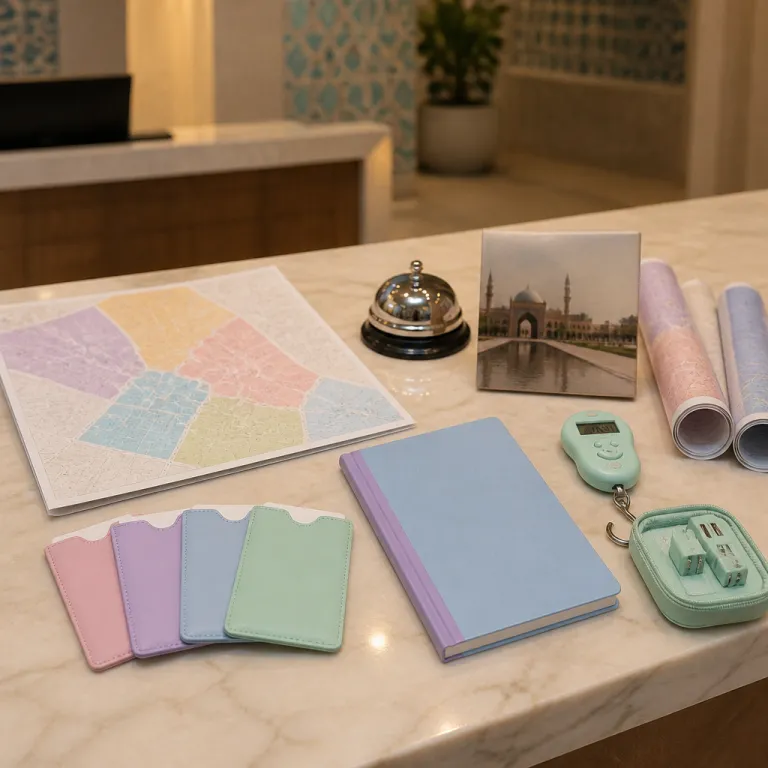
Naqsh-e Jahan Square: for first‑time visitors who want Isfahan on their doorstep
When you ask where to stay Isfahan for a first visit, start with Naqsh-e Jahan Square. This is the historic heart of Isfahan Iran, where the city’s mosques, palaces and bazaar unfold in a single, walkable panorama. Staying here means every night ends with a quiet stroll under turquoise domes and the soft echo of evening prayers.
The area around the square concentrates many of the best traditional options, from restored courtyard mansions to intimate guesthouses that feel like private homes. A carefully chosen traditional hotel here lets guests step from a carved wooden door straight into the bazaar’s carpet arcades, rather than into traffic or a business district. When you book a room in this part of the city, you trade large lobbies for painted ceilings, stained glass and the kind of breakfast where saffron, dates and flatbread appear before you even ask.
Properties such as Keryas, a respected hotel traditional near the square, show what an Isfahan traditional stay can be at its best. Rooms open onto a central courtyard where a small pool reflects stucco arches, and the quiet makes it easy to forget you are a few minutes from Ali Qapu Palace and the main mosque complex. Couples who want a romantic stay often choose these traditional hotels Isfahan offers because they can walk less than 500 metres to most major sights, saving time and taxi costs.
From a practical perspective, this is also one of the easiest areas for orientation, especially if you rely on Google Maps to navigate Isfahan Iran’s winding alleys. Most hotel Isfahan listings around the square are pinned accurately, and you can download maps for offline use before you arrive to keep data costs under control. When you search maps to book your stay, look for properties that mention direct access to the bazaar or views of the square, as these details usually signal the most atmospheric rooms.
Naqsh-e Jahan’s hotels range from modest two star hotels to polished four star hotels with marble floors and efficient front desks. While not every star hotel here qualifies as a full luxury address, the location often compensates for smaller rooms or simpler amenities. For many guests, the ability to step out at night and see the square illuminated is the real five star experience, even if the official rating on paper is lower.
Jolfa (Armenian quarter): for café culture, evening walks and quieter nights
If your idea of where to stay Isfahan involves wine glasses replaced by coffee cups and church bells instead of loud traffic, Jolfa is your quarter. This Armenian neighborhood on the south bank of the Zayandeh River feels like a small city within the city, with narrow lanes, brick facades and the domes of Vank Cathedral rising above tiled roofs. Couples who prefer a slower rhythm often choose their hotel here and commute into the historic core during the day.
Jolfa’s hotels Isfahan offers tend to be smaller, with fewer rooms and a more residential feel, which suits travelers who value privacy and quiet nights. You will not find the largest five star hotel complexes here, but you will find characterful stays where staff remember your coffee order and point you to the best galleries. Many guests say this is the best area for an extended stay because you can settle into a routine, returning to the same cafés and riverfront paths each evening.
The district’s layout makes it easy to navigate on foot, and Google Maps handles Jolfa’s grid more reliably than the bazaar’s maze. When you use maps to book a room here, search within a radius of about 800 metres from Vank Cathedral to keep everything walkable. A short taxi ride or a 20 to 25 minute walk across the bridges brings you back to Naqsh-e Jahan, so you never feel far from the main city sights.
From a style perspective, Jolfa balances traditional and contemporary influences, with some properties leaning into exposed brick and others into classic Persian courtyards. You may not see the term hotel traditional used as often in marketing, yet many stays still incorporate Isfahan traditional design elements such as stucco niches and painted doors. For couples, this blend of history and modern comfort often feels more intimate than the grander star hotels along Chahar Bagh.
Because Jolfa has one of the city’s most walkable restaurant scenes, it works especially well if you like to dine out every night. You can leave your room, stroll past church courtyards and choose between kebab houses, coffee bars and dessert cafés without needing a car. For seasonal planning and a sense of how hotel availability shifts across Iran’s calendar, it is worth reading a broader guide to the most civilised travel windows for Iran before you book.
Chahar Bagh and Abbasi Hotel: grand avenues, Safavid drama and classic luxury
Ask long‑time Iran specialists where to stay Isfahan for classic grandeur, and they will send you to Chahar Bagh Avenue. This historic boulevard once linked royal gardens, and today it forms the city’s grand hotel corridor, lined with some of the most established Isfahan hotels. Here, the architecture is larger in scale, the lobbies higher, and the sense of ceremony stronger from the moment you arrive.
The undisputed anchor of this strip is Abbasi Hotel, a former caravanserai that has become the most iconic star hotel in Isfahan Iran. The Abbasi hotel wraps its rooms around a vast garden courtyard where fountains play beneath plane trees and stucco arches glow at night. Staying here is less about having the newest room and more about inhabiting a piece of Safavid history, with frescoed dining halls and long arcades that frame the city’s changing light.
Many travelers use Abbasi as their reference point when comparing other hotels Isfahan offers along Chahar Bagh. Some prefer a different five star hotel for more contemporary rooms, while others accept slightly dated interiors in exchange for Abbasi’s unmatched sense of place. Either way, this corridor concentrates a high number of star hotels, making it easy to compare options within a short walking distance.
Chahar Bagh also suits business guests who want quick access to both the historic centre and modern offices. Taxi connections are straightforward, and the avenue’s central position means most key sites sit within a 10 to 15 minute drive, depending on traffic. For couples, the appeal lies in being able to step out of a luxury lobby and join the evening promenade, watching families, students and clerics share the same pavement.
When you book your stay here, pay close attention to room categories, as some properties offer garden view rooms that feel far more atmospheric than street facing ones. Using Google Maps or other maps tools, you can check exactly how far each hotel Isfahan listing sits from Naqsh-e Jahan and the river bridges. For a wider perspective on how these grand avenues fit into Iran’s broader landscape of refined stays, consult a curated overview of places to go in Iran for meaningful journeys and polished hotels.
Zayandeh River and the bridges: atmospheric evenings and mid‑range comfort
For travelers who care as much about evening atmosphere as daytime sightseeing, the riverfront often answers the question of where to stay Isfahan. The Zayandeh River, crossed by the famous Si-o-se-pol and Khaju bridges, becomes the city’s social spine on temperate nights. Locals gather under the arches to sing, families picnic along the banks, and the reflections of the bridges turn the water into a living light show.
Along this stretch you will find a mix of mid‑range hotels and a few higher star hotels, many of them oriented toward both leisure and business guests. The Parsian Kowsar complex, often referred to simply as Parsian Kowsar, is a prominent example of a kowsar hotel by the water, offering river views from some rooms and quick access to the bridges. While not every room category feels overtly luxury, the location and service level make it a strong choice for travelers who want comfort without losing connection to the city’s daily life.
When you look at maps to book a riverfront stay, focus on properties within easy walking distance of Si-o-se-pol, as this area has the liveliest evening scene. Google Maps gives a clear sense of how the hotels line the river, and you can use the satellite view to see which rooms might actually face the water. Couples often choose these hotels Isfahan offers because they can return from a day of sightseeing, drop bags in the room, and be on the bridge within minutes for a sunset walk.
Mid‑range riverfront properties typically offer practical amenities such as free Wi‑Fi, on‑site cafés and reliable taxis at the door. They may not match the ornate courtyards of a traditional hotel, yet they compensate with larger rooms and better soundproofing, which some guests value after a long flight. For business travelers, the combination of meeting spaces and easy access to both Jolfa and the historic core makes this corridor particularly efficient.
Because this zone sits between several key neighborhoods, it works well if you want to sample multiple sides of Isfahan Iran in a short stay. You can spend one night focused on the bridges, another exploring Jolfa’s cafés, and a third immersed in Naqsh-e Jahan’s mosques, all without changing hotels. For up‑to‑date patterns in occupancy and how the city’s calendar affects availability along the river, consult seasonal analyses such as guides to Iran’s hotel calendar and summer reopenings.
Traditional mansions and character stays: Ghasr Monshi, Monshi Hotel and beyond
Some travelers arrive with a very specific idea of where to stay Isfahan, and it usually involves a courtyard, a pool of still water and painted ceilings. For them, the answer lies in the network of restored mansions scattered through the old city, where each room tells a story in plaster and glass. These properties sit slightly away from the main avenues, but they reward guests with a deeper sense of domestic Persian architecture.
Ghasr Monshi is one of the most talked‑about examples, a hotel traditional that has become a reference point for Isfahan traditional hospitality. Rooms here open onto a central courtyard, and the play of light across stained glass windows changes from morning to night, giving each stay a different mood. Couples often describe it as one of the best places to book a romantic room in the city, precisely because it feels like a private home rather than a conventional star hotel.
Nearby, Monshi Hotel offers a slightly different take on the same idea, with fewer rooms and a more intimate scale. Guests who choose Monshi appreciate the quiet, the personalised service and the ability to walk into the bazaar within minutes, yet return to a calm courtyard by evening. Both Ghasr Monshi and Monshi Hotel show how hotels Isfahan offers can combine traditional architecture with modern comforts such as free Wi‑Fi and efficient heating.
These mansions rarely carry the highest official star ratings, but in practice they deliver a kind of luxury that many five star hotels struggle to match. You trade vast lobbies for hand‑painted doors, and standardised rooms for unique layouts that reflect the building’s original plan. For discerning guests, this is often the best answer to where to stay Isfahan if the goal is immersion rather than formality.
When you use maps to book one of these properties, pay attention to alley widths and walking distances, as taxis may not reach the front door. Google Maps can show the last few metres as pedestrian paths, which is useful if you travel with heavy luggage or prefer shorter walks at night. In practice, most of these hotels arrange assistance from the nearest main street, another small but telling sign of the city’s hospitality culture.
Practical booking strategy: matching neighborhoods, star levels and travel styles
Choosing where to stay Isfahan is ultimately about matching your travel style to the right neighborhood and star level. Couples on a short romantic break often prioritise Naqsh-e Jahan or a traditional mansion, while business guests lean toward Chahar Bagh or the riverfront for easier logistics. Families may prefer Jolfa or mid‑range properties near the bridges, where parks and open spaces soften the city’s intensity.
Across Isfahan Iran there are around 150 registered hotels, with an average occupancy rate of roughly 75 percent according to local tourism authorities. That means you should book your stay well in advance during peak seasons, especially if you want specific properties such as Abbasi Hotel, Ghasr Monshi or a riverfront Parsian Kowsar room. Using Google Maps or similar tools, you can create your own maps book of potential options, saving each hotel Isfahan listing into a custom list before you decide.
When comparing star hotels, look beyond the official rating and focus on room size, renovation dates and guest reviews that mention noise levels and service consistency. A three or four star hotel in a prime location can feel more luxurious than a higher rated property in a less engaging part of the city. For couples, details such as late breakfast hours, free late checkout or rooms with balconies often matter more than the difference between four and five stars on paper.
It is also worth considering how many nights you will spend in the city and whether a split stay makes sense. Two nights in a traditional hotel near Naqsh-e Jahan followed by two nights by the river can give you two very different perspectives on the same city. This approach works particularly well if you arrive late at night and prefer a straightforward business style check‑in before moving to a more atmospheric property once rested.
Local experts often summarise the city’s accommodation logic in simple terms : “What is the best area to stay in Isfahan? Naqsh-e Jahan Square area for proximity to attractions. Are there budget-friendly hotels in Isfahan? Yes, options like Sheikh Bahaei Hotel are available. Do Isfahan hotels offer traditional experiences? Yes, many hotels are in restored historic buildings.” For discerning travelers using platforms like myiranstay.com, that is just the starting point ; the real art lies in choosing the exact room, courtyard or river view that will frame your own story of the city.
Key figures for Isfahan’s hotel landscape
- Isfahan hosts around 150 registered hotels across the city, which is a high density for Iran and reflects its status as the country’s most visited tourist destination (Isfahan Tourism Board).
- The average hotel occupancy rate in Isfahan stands near 75 percent, meaning popular properties in prime areas often sell out during national holidays and peak travel months (Isfahan Tourism Board).
- Annual tourist arrivals to Isfahan are estimated at about 2,000,000 people, a volume that sustains a wide range of star hotels from traditional mansions to large business properties (Isfahan Tourism Board).
FAQ: where to stay in Isfahan
What is the best area to stay in Isfahan for first‑time visitors ?
For a first trip, the Naqsh-e Jahan Square area works best because you can walk to the main mosques, Ali Qapu Palace and the bazaar in minutes. This central location reduces time spent in taxis and lets you experience the square at different times of day. Many travelers combine a traditional hotel here with day visits to Jolfa and the riverfront.
Are there budget‑friendly hotels in Isfahan without sacrificing location ?
Yes, several mid‑range and budget properties cluster near Chahar Bagh and the bazaar, including options like Sheikh Bahaei Hotel. These hotels offer practical rooms, free Wi‑Fi and easy access to public transport, which suits cost‑conscious travelers. Booking early improves your chances of securing the best value rooms in these central areas.
Do Isfahan hotels offer genuinely traditional experiences ?
Many hotels in the old city occupy restored historic buildings with courtyards, stucco work and stained glass, such as Ghasr Monshi and Monshi Hotel. These stays provide a more intimate atmosphere than large business properties, while still offering modern comforts. They are ideal for couples who want architecture and history to be part of their nightly routine.
How far apart are the main neighborhoods, and is walking realistic ?
Naqsh-e Jahan, Chahar Bagh and the riverfront sit within roughly 2 to 3 kilometres of each other, so fit travelers can walk between them in 20 to 30 minutes. Jolfa lies just across the river, about 1 to 1.5 kilometres from the main bridges, making it easy to combine with evening strolls. Taxis remain inexpensive for longer hops or late‑night returns.
Should I stay in one hotel or split my stay between areas ?
For trips of three nights or more, splitting your stay can be rewarding, for example two nights near Naqsh-e Jahan and one or two nights by the river or in Jolfa. This approach lets you experience both the intensity of the historic core and the calmer rhythm of residential quarters. Travelers with shorter itineraries usually choose one well located hotel and focus on minimising transfers.
References : Iran Ministry of Cultural Heritage and Tourism ; Isfahan Tourism Board ; Iran Hotel Association.