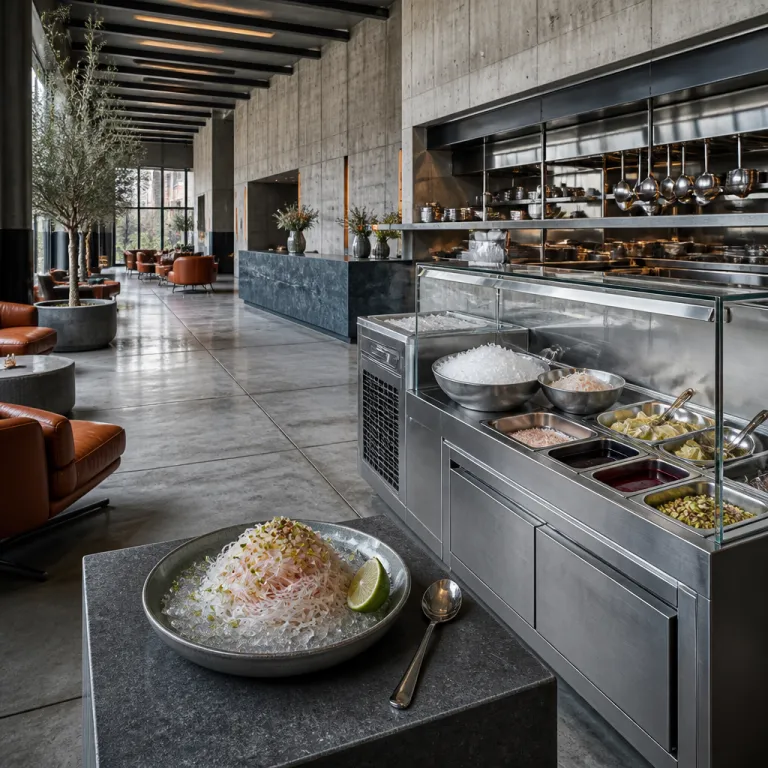
How iranian summer food hotels rethink luxury when the heat rises
Summer in Iran changes how locals eat, when they gather, and what feels like the best kind of luxury. As temperatures climb across cities in Iran from Tehran to Shiraz, the rhythm of Iranian food shifts toward late evenings, cooler dishes, and a softer, more social time around the sofreh rather than formal Western courses. For travelers choosing iranian summer food hotels or other food-focused stays, understanding this seasonal culinary clock helps you decide where you will feel closest to real Persian life.
In Tehran, Isfahan, Shiraz, and Rasht, the most interesting properties now treat food as a cultural lens rather than just a service. These hotels know that guests want to eat traditional food and also taste how fast food culture, street snacks, and famous ice cream rituals coexist with refined Iranian dishes in the same city. The result is a new generation of summer hotel dining in Iran where a plate of saffron rice might be served beside a street-style kebab, and where a bowl of chilled soup or a small side dish of Shirazi salad feels as essential as any tasting menu.
This shift is not about chasing trends but about respecting traditional Iranian hospitality. Iran will always measure generosity in how much food is placed on the sofreh, how many dishes appear, and how often rice, chicken, lamb, and fresh herbs are refilled without asking. The Persian dining codes that shape family homes now quietly guide hotel chefs, who design menus where every food and drink pairing, from doogh to tea, reflects a deeper culinary story.
From street cart to lobby lounge: faloodeh, bastani, and the new hotel dessert cart
Walk through north Tehran on a hot evening and you will see the real competition for iranian summer food hotels. The glow of five-star lobbies faces off against neon-lit faloodeh stands, where families line up for vermicelli ice desserts perfumed with rose water and lime. For years, hotel chefs watched these famous foods from a distance, but the best properties now invite that cart energy directly into their culinary programs.
Faloodeh vendors and hotel chefs increasingly collaborate, especially in the capital’s flagship addresses. Industry observers at the Tehran Culinary Institute note that more upscale hotels now feature faloodeh on their menus, and internal hospitality reports from 2022–2023 point to steady growth in sales of this dessert, which shows how seriously Iranian food culture is being integrated into luxury spaces. One Tehran property, profiled in depth in this analysis of the Tehran hotel restaurant reconsidered, uses traditional faloodeh recipes but plates them like fine dining desserts, pairing them with saffron bastani sonnati ice cream and shards of frozen cream.
Guests who usually eat only Western-style desserts quickly learn that these Iranian dishes are more than something delicious at the end of a meal. Faloodeh and bastani function as a hospitality language, a way for Iran to show care on the hottest days, just as a steaming soup or rich kebab served with saffron rice does in winter. As one hotel pastry chef in north Tehran explained in a 2023 interview, “When we serve faloodeh in crystal bowls instead of paper cups, guests still taste the street, but they also feel the hotel’s respect for that memory.” When you choose among iranian summer food hotels, look for menus where Persian food desserts sit comfortably beside international options, and where ingredients like rose water, fresh herbs, and pistachios are treated as seriously as imported chocolate.
Evening rituals: rooftops, gardens, and the late night sofreh
As the sun drops, iranian summer food hotels come into their own, because this is when Persians truly eat. Daytime is for something light, maybe a bowl of traditional food like ash soup or a plate of kuku sabzi with bread, but serious dining waits for the cooler time after 21:00. For solo travelers, these late hours can feel like stepping into a private city, where every rooftop and garden becomes a stage for food, drink, and conversation.
In Shiraz, Isfahan, and Yazd, many luxury properties now design entire evening experiences around the sofreh rather than formal courses. You might sit under citrus trees while a series of dishes arrives family style, from grilled chicken and lamb kebab to ghalyeh mahi from the Caspian coast, each served with rice, fresh herbs, and a bright side dish such as Shirazi salad. This style of service mirrors the atmosphere described in our guide to summer evenings in Persian garden hotels, where the best iranian summer food hotels turn their courtyards into open-air dining rooms.
Rooftop terraces in Tehran and other cities in Iran often mix traditional Iranian flavors with more casual fast food options. One table might share platters of kebab with saffron rice and grilled tomatoes, while another orders lighter Iranian dishes, salads, and perhaps a bowl of cold soup as a refreshing side dish. For many guests, the most memorable Iranian food moment is not a formal tasting menu but the time spent lingering over these shared foods, watching the city lights while a final scoop of ice cream or a glass of chilled doogh or juice closes the night.
Inside the kitchen: how chefs balance global polish with traditional iranian soul
Behind the scenes, chefs in iranian summer food hotels face a precise balancing act. International guests expect certain standards, from food safety to polished service, yet the soul of Persian food lies in slow-cooked dishes, generous portions, and recipes that rarely fit into neat Western plating. The most confident kitchens treat this tension as a creative brief rather than a problem.
In Tehran’s five-star properties and in Rasht, a UNESCO Creative City of Gastronomy, culinary teams now build menus that move easily between traditional food and lighter, summer-focused plates. A guest might start with kuku sabzi or another herb-heavy side dish, continue with chicken kebab or lamb stews, and finish with faloodeh or bastani ice cream, all served in portions designed for sharing. These menus highlight ingredients that define Iranian food in hot weather, such as fresh herbs, yoghurt, rice, and vegetables, while still leaving room for fast food–style burgers or grilled chicken for those who want something familiar.
Collaboration with local suppliers and culinary schools helps keep these foods honest. Chefs rely on traditional faloodeh recipes, regional ghalyeh mahi techniques, and home-style methods for Iranian dishes like ash soup, then refine the presentation for the hotel dining room. When guests ask, “What is faloodeh?” the most transparent properties answer directly at the table with the same clarity as a good guidebook: “A traditional Persian dessert made of thin vermicelli noodles in a semi-frozen syrup.”
From market tours to sofreh classes: how guests can eat like locals
For solo travelers, the most rewarding iranian summer food hotels are those that help you move beyond the menu. Many leading properties now offer guided visits to local markets, where you will see the ingredients that shape Iranian food long before they appear as finished dishes. These tours often end at a street stall, where you can eat faloodeh, taste ice cream, or sample fast food–style snacks alongside residents of the city.
Back at the hotel, cooking classes and sofreh workshops turn those impressions into skills you can take home. Guests learn how to prepare saffron rice correctly, how to balance fresh herbs in kuku sabzi, and how to assemble a traditional Iranian spread with multiple side dish plates, from Shirazi salad to yoghurt with cucumber. Some programs even include a session on regional Iranian dishes such as ghalyeh mahi or hearty soup recipes, showing how different cities in Iran express the same Persian food values through local ingredients.
These experiences align with the wider growth of culinary tourism in Iran, where visitors increasingly seek home-cooking encounters and neighborhood food and drink walks rather than only restaurant reservations. A simple five-day itinerary might start with two nights in Tehran for rooftop dinners and faloodeh tastings, continue to Rasht for herb-rich Caspian dishes, and finish in Shiraz for garden dining under citrus trees. When choosing among iranian summer food hotels, look for properties that mention market visits, sofreh dinners, or collaborations with faloodeh vendors, because those signals usually mean the kitchen respects both traditional food and contemporary tastes. For deeper context on how wellness, landscape, and gastronomy intersect, our feature on Iran’s hot spring hotels shows how regional foods and ingredients shape hospitality far beyond the capital.
Choosing your iranian summer food hotel: practical cues for serious eaters
When you scroll through options on a luxury hotel booking website for Iran, the dining section tells you more than any lobby photo. Start by checking whether the property highlights Iranian food by name, mentioning Persian food classics, regional Iranian dishes, and seasonal menus rather than only generic “international cuisine.” If a hotel lists specific foods such as kebab, saffron rice, kuku sabzi, ghalyeh mahi, or faloodeh with rose water, you can safely assume the kitchen takes local culinary identity seriously.
Next, read how the hotel talks about timing and atmosphere. Serious iranian summer food hotels will reference late evening service, garden or rooftop dining, and perhaps a sofreh-style arrangement where dishes are served for sharing instead of rigid courses. Look for signs that both traditional food and lighter options appear together, such as grilled chicken, lamb stews, salads, soup, and ice cream desserts, because this mix reflects how people actually eat in cities in Iran during hot months.
Finally, pay attention to how the property integrates street culture. A menu that includes fast food–style items alongside carefully prepared traditional Iranian recipes, or that mentions partnerships with local faloodeh vendors, usually indicates confidence rather than compromise. These are the hotels where your time at the table will feel connected to the city outside, where every food and drink pairing and every plate of rice or side dish of Shirazi salad becomes part of a larger story about Iran, Persian hospitality, and the evolving language of summer foods.
FAQ: iranian summer food hotels and faloodeh in luxury spaces
What is faloodeh and why is it important in iranian summer food hotels ?
Faloodeh is a traditional Persian dessert made of thin vermicelli noodles suspended in a semi-frozen syrup, usually flavored with rose water and lime. In the context of iranian summer food hotels, it represents a bridge between street food culture and luxury hospitality, because it brings a famous, everyday treat into refined dining rooms. When hotels serve faloodeh alongside bastani saffron ice cream and other Iranian dishes, they signal respect for local culinary traditions rather than relying only on international desserts.
How do luxury hotels in Iran integrate street food without losing authenticity ?
Leading properties collaborate with local vendors, use traditional recipes, and keep core ingredients unchanged while refining presentation and service. A hotel might invite a faloodeh vendor to train staff, then serve the dessert in elegant glassware, or recreate kebab marinades and saffron rice techniques exactly as used in neighborhood grills. The key is to maintain flavors and cooking methods from traditional Iranian food while adapting only the setting and plating to five-star standards.
Are there specific cities in Iran that are better for summer focused culinary stays ?
Tehran offers the widest range of iranian summer food hotels, from rooftop terraces to lobby lounges that feature faloodeh and bastani, while Shiraz excels in garden dining and ice-based desserts. Rasht, in Gilan Province, is particularly strong for travelers interested in regional dishes like ghalyeh mahi and herb-rich foods, thanks to its status as a UNESCO Creative City of Gastronomy. Each of these cities in Iran expresses Persian food differently, so serious eaters often combine them in a single trip.
What should I look for on a hotel website if food is my main priority ?
Focus on menus and culinary descriptions rather than only star ratings or room photos. Strong iranian summer food hotels will mention specific dishes such as kuku sabzi, kebab with saffron rice, Shirazi salad, and faloodeh, and may highlight market tours, sofreh dinners, or cooking classes. If the property talks about seasonal ingredients, late evening dining, and partnerships with local suppliers, it usually means the kitchen treats food as a core part of the experience.
Can I find vegetarian friendly options in iranian summer food hotels ?
Yes, many traditional Iranian dishes are naturally vegetarian or can be adapted easily. In summer, hotels often feature plates built around rice, fresh herbs, yoghurt, grilled vegetables, kuku sabzi, salads, and hearty soup without chicken or lamb, while still offering robust flavors. When booking, you can email the property to ask about vegetarian menus, and most upscale kitchens in Iran will accommodate these requests with care.
References
- Iran Hotel Association
- Tehran Culinary Institute
- UNESCO Creative Cities Network