Why architecture should guide your hotel choices in Iran
Persian architecture hotels in Iran are not just places to sleep. They are living museums where iranian architecture, hospitality, and climate savvy design quietly choreograph your stay from sunrise to late night tea. Choosing the right hotel in Iran means choosing the architecture that will frame every conversation, courtyard stroll, and call to prayer drifting from a nearby mosque.
Across the country, from the city of Isfahan to the desert city Yazd, the best hotels Iran offers are shaped by centuries of experimentation with light, water, and shade. Many of these properties were built as a caravanserai, a merchant house, or a traditional guest house years ago, then restored as a modern hotel with strong respect for persian architecture. When you filter hotels by more than price and star rating, you start to see how each style, from Safavid dynasty courtyards to Qajar era garden houses, creates a distinct rhythm to your days.
For a solo traveler, this architectural lens is practical, not academic. A traditional hotel wrapped around a central courtyard will feel intimate and social, while a glass fronted modern tower in a busy city may feel efficient but anonymous. The most rewarding persian architecture hotels in Iran usually balance traditional forms, including wind towers and thick adobe walls, with contemporary rooms and reliable amenities that match international expectations.
Qanats and courtyards: sleeping inside a climate machine
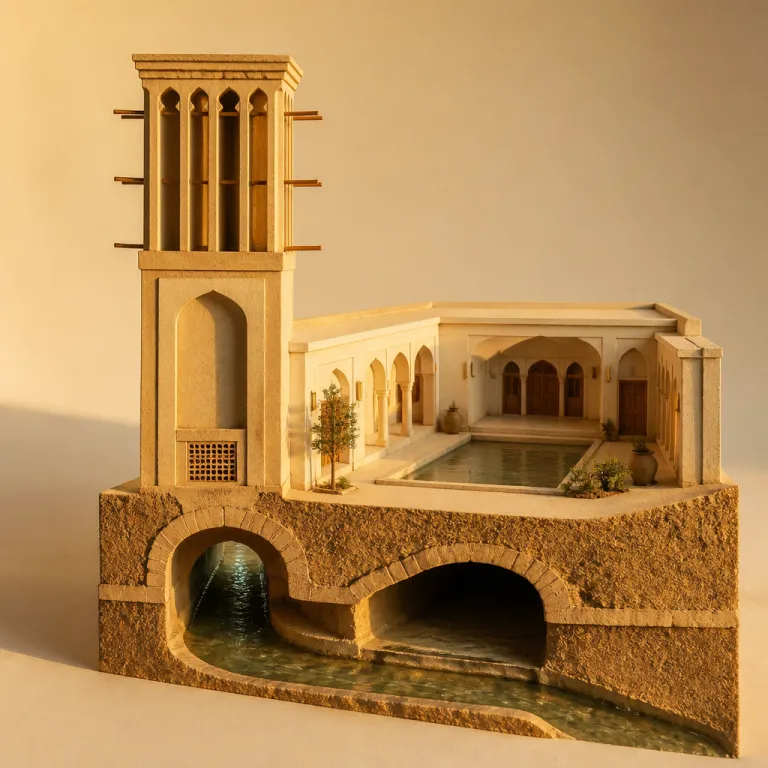
Long before air conditioning, iranian architects turned the desert into a kind of natural spa. They built qanat systems, underground channels that transport water from distant aquifers, then paired them with courtyards, pools, and shaded iwans to cool traditional houses and caravanserai style hotels. In some restored hotels Iran travelers book today, especially in Kashan and the city Yazd, you can still feel this ancient engineering at work as you cross from sun baked alleys into unexpectedly cool central spaces.
Architect Margot Krasojević’s Qanat Hotel concept in Makran shows how these ideas move into the modern era without losing their soul. Her design uses traditional Persian construction techniques and modern software to route air over qanat cooled water, proving that persian architecture can still solve contemporary comfort challenges in Iran’s arid regions. The same logic underpins many traditional hotel conversions, where a central courtyard, or hayat, organizes rooms, channels breezes, and turns the sky into a ceiling for evening tea.
Staying in a courtyard focused guest house or garden hotel is a very different experience from a corridor based city property. You step out of your room directly into a shared garden, often framed by stucco arches and stained glass windows from the Qajar era, with the sound of a fountain masking urban noise. For a deeper dive into this garden tradition, look at the way one Qajar era garden hotel is presented in this detailed guide to a historic Shiraz property, which shows how trees, water, and architecture merge into a single hospitality gesture.
Wind towers and desert stays: the badgir experience in Yazd
In the city Yazd, the skyline is punctuated by badgir, the wind towers that define so many persian architecture hotels in Iran. These tall brick structures capture passing breezes and funnel them down into rooms and halls, creating passive cooling that can lower interior temperatures by around 10 °C in dry heat. When you book a traditional hotel here, you are not just booking a room, you are booking a microclimate carefully tuned over centuries.
Many guest houses and hotels Iran travelers favor in Yazd and nearby towns occupy traditional mud brick houses that were built around early century wind towers. Some of these properties still connect to functioning qanats, so the air drawn through the tower passes over cool water before reaching your rooms, which feels like a natural, silent air conditioner. The effect is most noticeable at night, when thick walls, high ceilings, and the badgir combine to create a sleep friendly temperature even in peak desert seasons.
Caravanserai conversions extend this experience beyond the city. The legendary Abbasi Hotel in Isfahan, a former Safavid dynasty caravanserai, wraps its central garden with arcades and richly decorated rooms that echo the nearby shah mosque and the grand Jahan Square ensemble. For a detailed architectural and service focused review of this property, consult this in depth look at a regal stay in a Safavid era caravanserai, which explains why many consider this hotel Isfahan’s most atmospheric address.
From Safavid squares to Qajar gardens: reading cities through their hotels
Some of the most compelling persian architecture hotels in Iran sit within sight of the monuments that shaped them. In Isfahan, staying near Naqsh e Jahan Square, often called simply Jahan Square, lets you trace direct lines between the tilework of the shah mosque, the geometry of the mosque Isfahan complex, and the stucco and mirror work inside historic hotels. The same artisans who once decorated royal mosques and palaces often worked on caravanserai and merchant houses, so your hotel becomes a quiet annex to the main sights.
In Shiraz, properties near the Nasir Molk mosque, often known as the pink mosque, and the Molk mosque complex echo their stained glass and pastel tiles in more restrained, residential ways. A traditional house converted into a hotel might use similar colored glass in its doors, so morning light paints your rooms with the same spectrum you admired in the mosque earlier that day. These visual rhymes between sacred architecture and domestic spaces are part of what makes iranian architecture feel so cohesive across centuries.
Garden hotels rooted in the Qajar era, especially in Shiraz and Yazd, add another layer to this story. Their long axial pools, flanked by citrus trees and pavilions, were built as private retreats for merchants and officials, then adapted into hotels Iran visitors can now book with a few clicks and an Iran visa in hand. When you choose these properties over anonymous city towers, you gain a front row seat to how persian architecture, from Safavid dynasty grandeur to Qajar intimacy, still shapes daily life.
Modern interpretations: contemporary comfort with Persian DNA
Not every memorable stay has to be in a centuries old house or caravanserai. Across major city hubs, from Tehran to Isfahan, a new generation of hotels Iran travelers consider reliable are blending modern comfort with references to iranian architecture. You see it in pointed arches framing lobbies, in geometric brickwork echoing a mosque, and in the way some properties organize public spaces around a central atrium that feels like a vertical courtyard.
Groups such as Espinas have pioneered this modern traditional fusion, using an Iranian Islamic architectural vocabulary while delivering international level rooms, spas, and restaurants. These hotels are often built from the ground up rather than converted, yet they borrow from persian architecture through patterns, materials, and controlled natural light instead of pastiche. For travelers who want strong Wi Fi, efficient service, and a sense of place, this hybrid style can be more appealing than purely historic guest houses.
Architecture should therefore sit alongside location and service when you compare persian architecture hotels in Iran on any booking platform. A traditional hotel with thick walls and a courtyard may offer quieter nights, while a sleek city tower might win on views and quick airport access. If you want curated, architecture aware suggestions across Iran’s main regions, explore this guide to refined Iran tours and luxury stays, which approaches itineraries through both cultural depth and hotel design.
How to choose: matching architecture to your travel style
When you scan hotels Iran wide, start by asking how you want to feel, not just where you want to be. If you crave immersion in history, look for a traditional hotel in Isfahan or the city Yazd that occupies a Safavid dynasty or Qajar era house, ideally with a central courtyard and, if possible, access to an old qanat. For travelers who prefer a more urban rhythm, a modern hotel in a central city district, referencing iranian architecture through design details rather than structure, may be the better fit.
Climate should be your second filter, especially in desert regions. Properties with functioning wind towers, thick adobe walls, and shaded courtyards will feel noticeably cooler, while hotels built without these features rely more heavily on mechanical air conditioning that can be less pleasant for long stays. Remember that “What is a qanat?” is not just a heritage question but a comfort one, because “An underground channel transporting water from aquifers.” still shapes how some hotels manage temperature and atmosphere.
Finally, consider how close you want to be to major monuments such as the shah mosque, the mosque Isfahan ensemble, or the Nasir Molk mosque and Molk mosque complexes. Staying within walking distance of these sites lets you experience them at different hours, then retreat to rooms that echo their forms in quieter ways. In a country where architecture, hospitality, and daily life are so tightly woven, choosing persian architecture hotels in Iran with care turns your entire trip into one continuous, beautifully framed stay.
FAQ
What is a qanat and why does it matter for hotels in Iran ?
A qanat is an underground channel that transports water from distant aquifers to the surface using gravity alone. In some traditional hotels and guest houses, especially in desert regions, qanats still feed courtyard pools and cooling systems that moderate temperatures naturally. Choosing a property connected to a qanat can mean quieter, more sustainable comfort compared with fully mechanical cooling.
How do wind towers affect the experience of staying in Yazd ?
Wind towers, or badgir, are tall structures that catch breezes and direct them into interior spaces, often over water, to cool rooms. In the city Yazd, many traditional hotel conversions still use these towers, so you feel a steady, gentle airflow instead of the blast of an air conditioner. Guests often report better sleep and a stronger sense of place when staying in rooms linked to functioning wind towers.
Are courtyard hotels practical for solo travelers ?
Court yard focused hotels are particularly well suited to solo travelers because they create natural, low pressure social spaces. You step from your room directly into a shared garden or pool area, where tea tables and benches encourage casual conversation without forced interaction. At the same time, thick walls and layered layouts usually keep rooms quiet and private when you want to retreat.
What is the difference between Safavid and Qajar era hotel buildings ?
Safavid era buildings, especially in Isfahan, tend to emphasize grand scale, axial symmetry, and elaborate tilework that echoes major mosques and palaces. Qajar era houses and garden hotels often feel more intimate, with richly painted interiors, mirror work, and long pools framed by trees in enclosed gardens. Both periods offer strong examples of persian architecture hotels in Iran, but the mood shifts from imperial spectacle to domestic elegance.
Do I need to think about architecture when applying for an Iran visa and planning my route ?
Your Iran visa process is separate from hotel choices, but architecture should shape how you plan your route once entry is secured. If you are interested in wind towers and qanats, prioritize the city Yazd and nearby desert towns, while lovers of monumental mosques and squares should focus on Isfahan and Shiraz. Aligning your itinerary with the architectural experiences you want makes each hotel stay feel intentional rather than incidental.