Luxury perspectives on kashan city in isfahan province
Kashan city in central Iran blends refined comfort with deep heritage. This historic city in Isfahan Province attracts travelers who want premium stays near masterpieces of Persian architecture and design. For guests who value atmosphere, every traditional house and restored residence in kashan offers a different way to feel the rhythm of the city.
The mayor, Hasan Bakhshandeh, oversees a destination where heritage and hospitality evolve together in kashan iran. Municipal programs support preservation of each historical house while encouraging high end accommodation that respects the character of the city. This balance matters for travelers who expect both polished service and authentic contact with local life in kashan.
Official figures show a metro population of about 362 000 people, yet the city kashan still feels intimate. Tourism has grown strongly, with up to 30 000 people visiting historical sites in a single busy day, which reshapes expectations for luxury and premium hotel booking in Iran. As cultural tourism expands, the best houses and hotels in kashan city refine their services to meet international standards while keeping a distinctly Persian soul.
Archaeological work at Tepe Sialk confirms that kashan is among the oldest continuously inhabited cities. “Archaeological findings at Tepe Sialk indicate that Kashan's history dates back to the 6th millennium BCE, making it one of the oldest continuously inhabited cities.” This depth of time gives every historical house and shrine a special resonance for guests who choose to stay within walking distance of the main mosque, bazaar, and garden districts.
Staying in traditional houses near fin garden and the bazaar
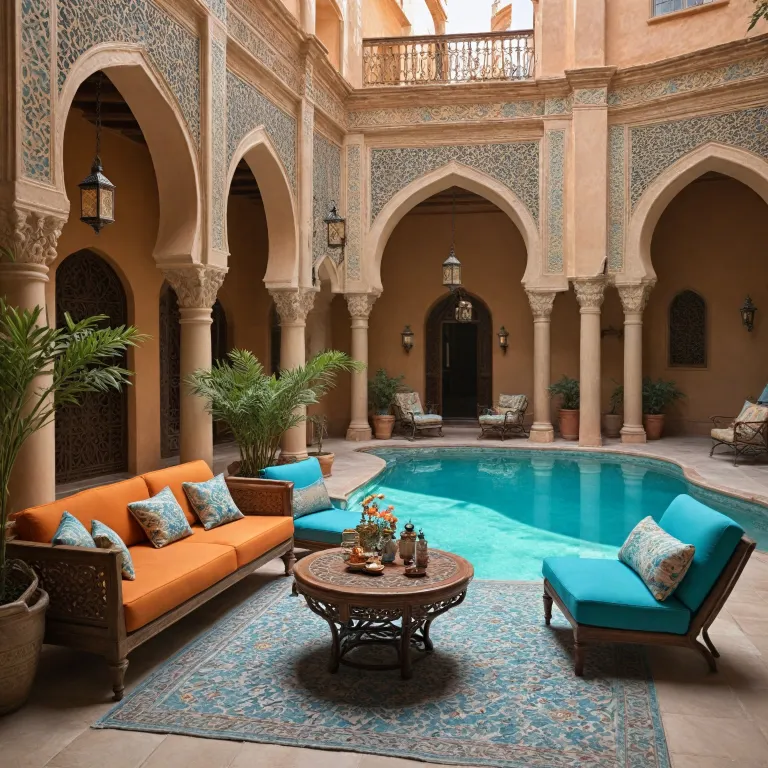
For many travelers, the highlight of kashan city is sleeping in carefully restored traditional houses. These historical houses often feature central courtyards, windcatchers, and stained glass that filters the desert light into soft colors. Premium properties in kashan iran now combine this traditional architecture with modern comforts that international guests quietly expect.
Several traditional houses stand within easy reach of Fin Garden, the celebrated Persian garden on the edge of the city. Fin Garden, or fin garden as many visitors write it, pairs flowing water with cypress trees and pavilions that frame the surrounding desert. Choosing a house or hotel near this garden allows guests to visit at quieter times, especially early morning or late afternoon when the light is gentle.
In the heart of city kashan, the historic bazaar kashan district offers another refined base for luxury stays. Many travelers prefer a historical house close to the bazaar, so they can walk to the covered lanes, caravanserais, and mosque complexes without relying on a bus or taxi. From these traditional houses, it is easy to explore both the commercial energy of the bazaar and the calm courtyards of nearby shrines.
Premium travelers often compare different houses by their restoration quality and service philosophy. Some historical houses emphasize quiet privacy, while others highlight cultural experiences such as Persian cooking, carpet appreciation, or guided walks through kashan city. When evaluating kashan best options, look for properties that clearly explain how they preserved original features like stained glass, carved stucco, and brick vaults.
Architectural icons: borujerdi house, amir ahmad bathhouse, and agha bozorg
Architecture lovers choose kashan city because its historical houses and religious complexes sit close together. Borujerdi House is one of the most famous, with its soaring windcatchers, frescoes, and refined layout that expresses the ideals of a wealthy Persian merchant family. Staying in nearby traditional houses allows guests to visit Borujerdi House at different times of day and appreciate how the light changes the atmosphere.
Another essential stop is the Ahmad Bathhouse, also known as the amir ahmad hammam or ahmad hammam, a beautifully restored Persian bath complex. Its domed roof, colored glass, and stone platforms show how public bathing once shaped social life in kashan iran. Luxury travelers often arrange private guided visits to the amir ahmad bathhouse, combining architectural insight with stories about daily rituals in the historical city.
Close to the bazaar kashan area stands the Agha Bozorg complex, which includes the Agha Bozorg mosque and theological school. This bozorg mosque is admired for its balanced proportions, brickwork, and serene courtyard that opens to the sky above the city. Guests who stay in a historical house nearby can walk to evening prayers, then return through quiet lanes that reveal another side of kashan.
Many premium hotels and houses in city kashan now design their interiors to echo these landmarks. You may notice stained glass patterns inspired by Borujerdi House, or hammam style spa areas that reference the amir ahmad bathhouse. When evaluating kashan best properties, ask how their design connects to icons like Agha Bozorg, Borujerdi House, and other traditional houses that define the character of kashan city.
Sacred spaces: shrines, mosques, and spiritual routes in kashan
Beyond its houses and gardens, kashan city is shaped by shrines and mosques that attract both pilgrims and cultural travelers. The shrine of Sultan Amir Ahmad, often called the sultan amir shrine, is closely associated with the amir ahmad bathhouse area. Many visitors combine a visit to this shrine with time in nearby historical houses to feel the spiritual continuity of the neighborhood.
Another important figure is Hilal ibn Ali, sometimes written as hilal ibn or ibn ali in travel notes. The shrine of Hilal ibn Ali lies just outside the main urban core of kashan iran, yet many luxury travelers arrange private transfers rather than using a bus. This shrine offers wide views over the city kashan and the surrounding desert, especially beautiful at sunset when the call to prayer echoes across the landscape.
Within the old city, the Agha Bozorg mosque remains a focal point for both worship and architectural appreciation. This bozorg mosque, together with other historical mosques and shrines, forms a spiritual route that guests can follow on foot from their traditional houses. Premium guides often structure half day walks that link the bazaar, Agha Bozorg, the sultan amir shrine, and selected historical houses.
For travelers planning things kashan around religious and cultural themes, it helps to choose accommodation near at least one major mosque or shrine. This reduces transfer time and allows more flexible visits at quieter times of day, especially early morning. Many kashan best properties provide maps that highlight routes between shrines, mosques, the bazaar kashan, and key houses, making it easier to plan meaningful things to do in kashan city.
Tepe sialk, fin garden, and planning your time in kashan
Any refined itinerary in kashan city should balance urban experiences with archaeological and garden visits. Tepe Sialk, often written simply as sialk, lies a short drive from the main city and reveals the deep antiquity of this part of Iran. Many premium hotels and historical houses can arrange private cars rather than a bus, allowing guests to explore the sialk mounds at their own pace.
Fin Garden remains the most famous green space in kashan iran, and it rewards unhurried visits. Water channels, pavilions, and cypress trees create a classic Persian garden composition that contrasts with the desert beyond the city. To make the most of your time, consider visiting fin garden twice, once in the morning and once later in the day, then returning to your house or hotel to rest between visits.
Within city kashan, many travelers focus on a cluster of historical houses, shrines, and the bazaar kashan area. Planning things kashan efficiently means grouping nearby sites, such as Borujerdi House, the amir ahmad bathhouse, and surrounding traditional houses, into a single walking circuit. This approach leaves more time for quiet moments in courtyards, tea houses, and roof terraces that overlook the city.
For deeper guidance on luxury and premium hotel booking in Iran, travelers can consult specialized resources such as this detailed guide to elevating your stay. Combining such advice with local recommendations from your chosen house or hotel helps refine your list of things to do in kashan city. With thoughtful planning, even a short stay can include sialk, fin garden, key shrines, and several of the most atmospheric historical houses.
Practical luxury: transport, booking strategy, and kashan best seasons
Reaching kashan city usually involves a road journey from major hubs in Iran, such as Tehran or Isfahan. Many premium travelers arrange private transfers instead of relying on a public bus, especially when arriving late at night. However, scheduled bus services remain a comfortable option, and several historical houses can organize pick up from the bus station in city kashan.
When planning luxury or premium stays in kashan iran, booking strategy matters. High demand during the spring rosewater season and major holidays means the best traditional houses and hotels fill quickly. To secure kashan best rooms, reserve well in advance and confirm details such as room orientation, stained glass windows, and access to quiet courtyards.
Within the city, most key things kashan are reachable by short taxi rides or on foot from central historical houses. Guests who prefer structured experiences can request private guides for the bazaar kashan, shrines, and major mosques such as Agha Bozorg. Many guides explain the symbolism of Persian design, from the layout of a historical house to the geometry of a mosque dome.
Seasonality also shapes how you experience kashan city and its houses. Spring and autumn offer comfortable temperatures for walking between the bazaar, fin garden, and shrines, while summer heat encourages midday rest in shaded courtyards. Whatever the season, aligning your arrival and departure times with your chosen house or hotel’s check in policies helps ensure a smooth, premium experience in this historical city of Iran.
Key figures about kashan city tourism and heritage
- Metro area population of kashan city is estimated at about 362 000 people, supporting a growing hospitality sector.
- On peak days in spring, up to 30 000 tourists visit historical sites such as fin garden and major historical houses.
- The average number of years of schooling in kashan iran stands at around 12 years, contributing to a skilled service workforce.
Questions people also ask about kashan city
What is kashan known for ?
Kashan city is renowned for its historical sites, including fin garden, Borujerdi House, and other traditional houses that showcase refined Persian architecture. The city kashan also has a strong reputation for carpet weaving, rosewater production, and a vibrant bazaar that anchors local commerce. For travelers focused on luxury and premium stays in Iran, kashan offers a rare combination of heritage, atmosphere, and high quality accommodation in restored historical houses.
How old is kashan ?
Archaeological research at Tepe Sialk, just outside kashan city, indicates that settlement in this area dates back to the sixth millennium BCE. This makes kashan one of the oldest continuously inhabited cities in Iran, with layers of history visible in its shrines, mosques, and houses. Staying in a historical house near sialk or the old bazaar allows guests to feel this long continuity in daily life.
What is the population of kashan ?
The metro area population of kashan city is currently estimated at around 362 000 people. This scale allows for a sophisticated hospitality infrastructure while preserving the intimate feel of traditional neighborhoods and historical houses. For visitors, the population size means a wide choice of services, from premium hotels and restored houses to specialized guides for the bazaar kashan, shrines, and fin garden.