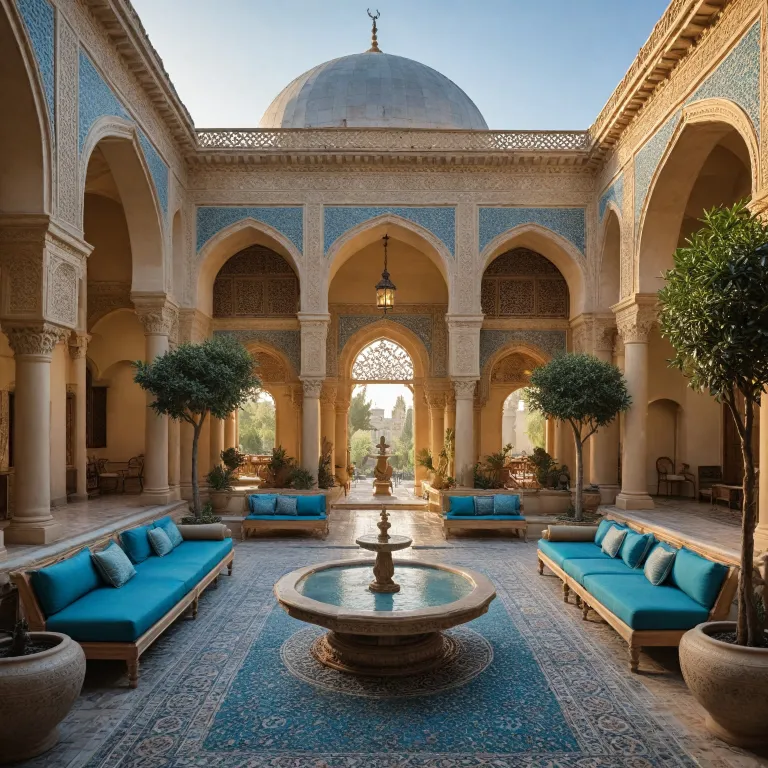
Understanding luxury hotels in Iran’s evolving hospitality landscape
Hotels in Iran are undergoing a quiet transformation that rewards attentive travelers. Across the country, each new hotel reflects rising expectations for luxury, service, and authentic cultural connection in every stay. With more than ten thousand hotels and similar establishments, guests can now compare many hotels Iran options before choosing their preferred accommodation.
The Iranian Ministry of Cultural Heritage, Tourism, and Handicrafts guides this expansion, while the Iran Hotel Association helps hotels maintain consistent standards. Together, these institutions encourage every iran hotel to invest in training staff, upgrading facilities, and aligning with international hotel benchmarks that seasoned guests recognize. As a result, both modest hotel properties and large luxury hotels now compete to offer the best balance between comfort, location, and value.
In major city destinations such as Tehran, Isfahan, Shiraz, and Kashan, travelers can find hotels that blend traditional architecture with contemporary amenities. Many iran hotels occupy restored traditional houses, where a central courtyard, painted ceilings, and carved doors create a sense of place that modern design alone cannot match. These traditional houses often sit close to key attractions, allowing guests to walk from their accommodation to a mosque, garden, or historic bazaar in only a few minutes.
For international visitors who travel Iran for the first time, the variety of hotels in Iran can feel overwhelming. It helps to focus on a few core criteria, such as proximity to the city center, verified guest reviews, and clarity of communication from the hotel staff. By approaching each booking with these priorities, travelers can find local experiences that feel both reassuringly professional and distinctly Iranian.
Tehran stays from espinas palace to refined hotels tehran options
Tehran is often the first city that guests encounter when they arrive through an international airport. The capital concentrates many of the best hotels, from large complexes to intimate traditional properties that reinterpret the idea of a city retreat. When comparing hotels Tehran choices, travelers should consider traffic patterns, access to metro lines, and distance to business districts or cultural attractions.
Among the most prominent names, espinas palace stands out as a landmark palace hotel on the northern slopes of the city. This grand hotel offers expansive views, polished service, and a range of restaurants that appeal to both international hotel guests and local residents celebrating a special night. For travelers who value a familiar structure, espinas palace and similar luxury hotels in Tehran provide a reassuring framework of amenities, including pools, gyms, and conference facilities.
Other Tehran properties, such as hotel parsian branches and various Iran hotel brands, focus on central locations and efficient service. These hotels in Iran often sit close to embassies, museums, and commercial streets, which helps business guests maximize every day in the city. Many hotels Tehran options also arrange airport transfers, allowing travelers to move smoothly from the international airport to their accommodation without negotiating transport on arrival.
Because the hospitality market is evolving quickly, travelers should verify the current status and reviews of hotels before booking, as the industry is rapidly evolving. This advice applies equally to a palace hotel, a compact city hotel, or a restored house in a residential district. For a curated overview of refined stays in the capital, readers can consult a detailed guide to Tehran hotels for refined stays in Iran’s vibrant capital, which highlights properties that balance comfort, style, and access.
Traditional houses and luxury stays in isfahan, shiraz, and kashan
Beyond Tehran, many travelers consider Isfahan, Shiraz, and Kashan essential stops when they travel Iran. Each city offers a different expression of Iranian culture, and the hotels in Iran located there reflect these nuances with care. Guests can choose between a classic iran hotel, a restored house, or a contemporary luxury property depending on their priorities.
In Isfahan, some of the best hotels sit within walking distance of Naqsh e Jahan Square and the historic isfahan bazaar. Properties such as monshi hotel occupy traditional houses with central courtyards, stained glass windows, and painted niches that frame the daily rhythm of the city. These hotels Iran options allow guests to step from a quiet house into the lively bazaar within minutes, creating a seamless transition between rest and exploration.
Shiraz, known for its gardens and poetry, offers hotels that emphasize greenery, soft light, and relaxed evenings. Many Shiraz hotels in Iran design their courtyards and terraces to encourage guests to linger at night, listening to fountains while enjoying tea. When travelers compare these properties, they often find that the best hotels balance traditional motifs with modern bathrooms, reliable Wi Fi, and attentive staff who can arrange visits to nearby attractions.
Kashan has become a reference point for traditional houses converted into refined accommodation. Saraye Ameriha, for example, is frequently cited as a benchmark for how a historic house can function as a luxury hotel while preserving its original character. In this context, monshi hotel, saraye ameriha, and similar properties illustrate how iran hotels can honor heritage while meeting the expectations of international guests.
Balancing star ratings, service, and value in hotels Iran
When evaluating hotels in Iran, travelers often begin with the official star rating. While the star system provides a useful framework, it does not always capture the full experience that a particular hotel offers. A three star iran hotel with exceptional staff and a prime city location can sometimes feel more satisfying than a higher rated property with indifferent service.
Iran hotels are regulated by national authorities, yet individual management decisions strongly influence daily operations. The Iran Hotel Association represents the interests of hotel operators and promotes standards within the hospitality sector. This institutional support encourages both luxury hotels and mid range properties to refine their service, from housekeeping routines to restaurant quality and front desk communication.
Travelers should look beyond the star label and examine recent guest feedback, especially regarding cleanliness, noise levels at night, and responsiveness of staff. In many hotels Iran wide, managers now monitor online reviews closely and adjust training to address recurring comments. This dynamic is particularly visible in city centers, where competition between hotels in Iran pushes each property to define its strengths clearly.
Value also depends on how well a hotel connects guests with local experiences. Some of the best hotels help travelers find local guides, arrange visits to nearby attractions, or recommend traditional houses that serve regional cuisine. When a hotel team invests in these details, guests often remember the stay as a highlight of their travel Iran journey, regardless of the official star category.
From international hotel brands to independent iran hotel experiences
The Iranian hospitality sector is attracting growing interest from international hotel chains. Partnerships with brands such as Kempinski and other global names aim to introduce familiar standards while adapting to local expectations. These collaborations complement established iran hotel groups like hotel parsian, which already operate multiple properties across major city destinations.
International hotel projects often focus on large complexes near business districts, transport hubs, or an international airport. Such hotels in Iran typically emphasize conference facilities, spa services, and multiple dining venues to serve both guests and local residents. For travelers who prioritize predictability, these luxury hotels provide a consistent framework that mirrors experiences in other regions.
At the same time, many independent hotels Iran wide are investing in design, gastronomy, and personalized service. Some operate within restored traditional houses, while others occupy new buildings that reinterpret classic motifs with contemporary materials. These properties may not carry a global brand name, yet they often rank among the best hotels in guest reviews because of their attentive staff and strong sense of place.
As of 2022, there are 13,101 hotels and similar establishments operating in Iran. Between 2021 and 2022, the number of hotel establishments in Iran increased by 19.5%. Yes, international hotel chains such as Kempinski have shown interest in entering the Iranian market, with some already establishing a presence.
Practical guidance to find accommodation and plan refined itineraries
Choosing between the many hotels in Iran begins with clarifying your travel rhythm. Some guests prefer to stay several night periods in each city, using one iran hotel as a base for day trips. Others move more frequently between hotels Iran wide, combining a palace hotel in Tehran with a traditional house in Kashan or Isfahan.
When planning to travel Iran, it is wise to map key attractions and transport links before confirming bookings. In Isfahan and Shiraz, for example, staying near the historic core reduces transit time and allows guests to enjoy the city at night when monuments and squares feel more atmospheric. In Tehran, proximity to metro stations can significantly improve mobility, especially during peak traffic hours.
Travelers should also be aware of local customs and regulations to ensure a respectful and enjoyable stay. Dress codes, payment methods, and check in procedures may differ from those in other regions, so clear communication with hotel staff is essential. Many iran hotels now provide multilingual information and trained teams who can help international guests navigate practical questions.
Finally, consider exploring eco lodges and traditional accommodations for a unique experience. These properties, often located near natural attractions or within historic districts, complement stays in grand hotel complexes and international brands. By combining different styles of accommodation, guests can appreciate both the modern face of hotels in Iran and the enduring charm of traditional houses in cities such as Isfahan, Shiraz, and Kashan.
Key statistics on hotels in Iran
- Number of hotels and similar establishments in Iran : 13,101, according to recent international tourism data.
- Growth in hotel establishments from one year to the next : 19.5 percent increase, reflecting rapid sector expansion.
- Tourism related projects under construction nationwide : approximately 2,400, including around 500 new hotel developments.
Essential questions about hotels in Iran
How many hotels are currently operating in Iran ?
As of the latest consolidated figures, there are 13,101 hotels and similar establishments operating in Iran. This number includes a wide spectrum of properties, from simple guesthouses to luxury hotels and large palace hotel complexes. Travelers therefore have extensive choice when selecting an iran hotel that matches their style and budget.
What is the growth rate of hotel establishments in Iran ?
Between the most recent measured years, the number of hotel establishments in Iran increased by 19.5 percent. This rapid growth reflects both domestic investment and rising interest from international hotel partners. For guests, it means that new hotels in Iran are opening regularly, often with upgraded facilities and contemporary design.
Are international hotel chains present in Iran ?
Yes, international hotel chains such as Kempinski have shown interest in entering the Iranian market, with some already establishing a presence. These collaborations sit alongside established iran hotels and local brands like hotel parsian, creating a diverse accommodation landscape. Travelers can therefore choose between globally recognized luxury hotels and distinctive traditional houses when they travel Iran.