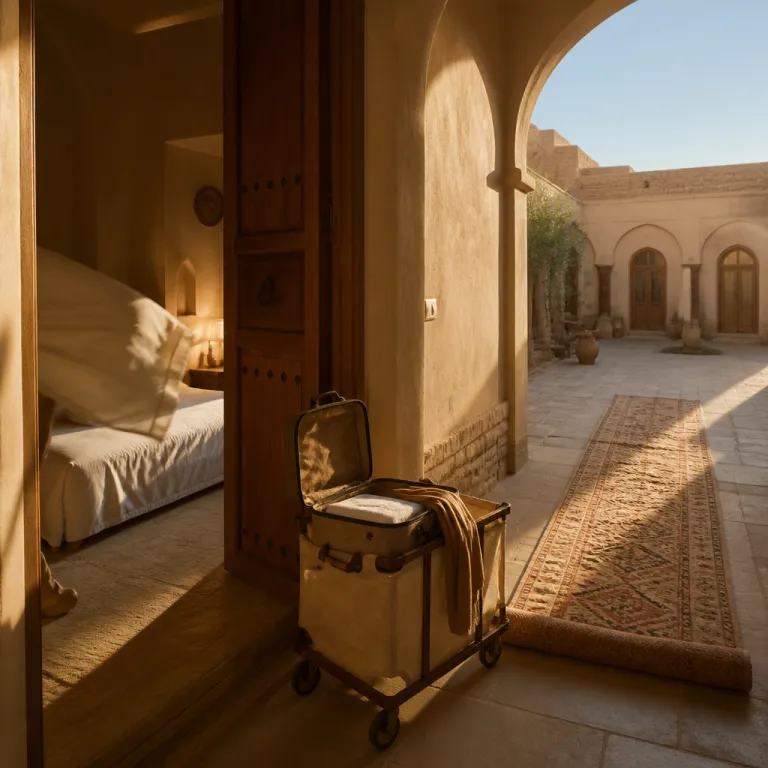
Accommodation in Iran’s caravanserais: what the experience really offers
Accommodation in Iran feels different the first night you sleep inside a restored caravanserai. Thick mud-brick walls mute the city noise, while a rectangle of sky glows above the central courtyard and reminds you that this was once a lifeline for merchants crossing the Silk Road. For families planning premium places to stay in Iran, these historic properties offer a rare mix of story-rich architecture and practical comfort that standard city hotels sometimes struggle to match.
A caravanserai is a fortified roadside inn that once sheltered caravans, animals and goods along trade routes across Iran. As one official explanation puts it, it is “a roadside inn for travelers and merchants along trade routes” and “yes, many have been converted into hotels” that “blend historical architecture with modern amenities.” When you book a caravanserai-style hotel stay today, you are entering a building that national projects and local communities have carefully restored through architectural conservation and adaptive reuse, often with traditional materials but discreet modern systems. UNESCO’s 2023 inscription of “Caravanserais of the Persian Caravan Routes” lists 54 representative sites, giving a sense of how extensive this network once was.
Rooms in these heritage conversions usually line the upper galleries around a courtyard, with doors opening onto shared verandas rather than anonymous corridors. Expect high vaulted ceilings, deep niches for luggage, and thick walls that keep the room cool even when the desert outside reaches 35 °C during the day. Families comparing accommodation options will notice that some caravanserai rooms are compact, so it is worth checking the exact room size in square metres before you reserve nights for more than two guests; a typical double may be 14–18 m², while family suites can run to 25–35 m².
Common areas are where caravanserai hotels shine for premium family travel in Iran. The central courtyard often doubles as an open-air lounge, with carpets, low tables and samovars set out after sunset for tea and pistachios under the stars. Children can safely explore the arcades while parents enjoy a quiet night drink, and the whole family can feel how Iranian hospitality turns a former trading post into a relaxed palace of rest. One recent guest described a Yazd-area stay as “like sleeping in a museum that decided to become a family living room after dark.”
Dining in these properties usually focuses on traditional Iranian cuisine rather than experimental tasting menus. Many caravanserai hotels serve dishes like fesenjan, ghormeh sabzi and saffron rice in vaulted dining halls that once stored goods, creating a direct link between the old Silk Road economy and today’s culinary culture. If you care about how hotel kitchens source ingredients, the detailed guide to saffron sourcing on Iran’s saffron hierarchy in luxury hotel kitchens gives useful context before you book stays that promise fine dining.
From Isfahan to Yazd: the best caravanserai style stays for families
Isfahan is the natural starting point for many travellers comparing places to stay in Iran that focus on culture and architecture. The city’s most famous conversion, the Abbasi Hotel, occupies a Safavid-era caravanserai and has become one of the best-known addresses for families who want history without sacrificing comfort. Its lush courtyard garden, painted reception halls and varied room categories make it a strong five-star-style choice for a first or second night in the destination city, with typical nightly rates ranging from mid- to upper-tier by local standards.
In Yazd, caravanserai architecture blends with garden hospitality in ways that suit premium family stays particularly well. Moshir al Mamalek Garden Hotel, set in a Qajar-era estate, combines caravanserai-like wings with water channels and pomegranate trees, and you can read a detailed review in the feature on staying at a Qajar garden hotel in Yazd. Families who book this property often comment that children can roam the paths safely while adults enjoy tea in the shade, turning a simple hotel booking into a relaxed cultural immersion; one parent called it “the first hotel where our kids asked to stay in instead of going out.”
Further into the desert near Yazd, Zein o Din caravanserai offers a more minimalist interpretation of accommodation in Iran. This rare circular complex has been converted into a simple but atmospheric lodge, with shared facilities and thick walls that keep rooms cool at night even in high summer. It is not a conventional luxury palace hotel, yet for many travellers the chance to sleep under the stars on the roof or in a traditional alcove becomes the most memorable night of their journey, and prices here usually sit closer to mid-range guesthouses than to palace hotels.
Families who prefer a slightly more polished caravanserai feel can look at properties along the routes between Isfahan, Yazd and Kerman. Several restored inns now operate as three- or four-star hotels, offering private bathrooms, air conditioning and reliable hot water while preserving original brickwork and arches. When you book nights in these smaller city or village locations, you often support local Iranian communities directly, because many of these projects are run in partnership with residents and craftspeople and rely on heritage tourism for ongoing maintenance.
Wherever you stay, remember that caravanserai-style accommodation tends to have fewer rooms than large urban hotels. This limited capacity means that popular dates around Nowruz or school holidays in your home country can sell out quickly, especially in destination hubs like Isfahan and Yazd. For a smooth family trip, treat each caravanserai booking as a key anchor in your itinerary rather than a last-minute decision, and use city hotels as flexible fillers around those fixed nights.
Tehran, Isfahan, Shiraz: pairing caravanserai nights with city luxury
Most premium family itineraries that focus on where to stay in Iran will combine caravanserai nights with stays in full-service city hotels. Tehran, Isfahan and Shiraz each offer a different balance between heritage and contemporary comfort, and choosing the right mix matters if you are travelling with children. A smart approach is to use caravanserai hotels for one or two nights in each region, then anchor the rest of your stay in a central, well-equipped hotel with easier logistics and predictable services.
In Tehran, the skyline statement property is Espinas Palace, a large luxury hotel in the north-west of the city. While not a caravanserai conversion, this palace-style tower gives families the space, pools and services that make long-haul travel more manageable, especially after a late-night arrival. You can then add a night or two in a more traditional-style property in the older parts of the city to balance glass and marble with courtyards and brick, using local agencies or direct email contact to secure rooms.
Isfahan remains the strongest city for combining caravanserai architecture with urban convenience. Beyond the Abbasi Hotel, several smaller hotels in the historic centre use caravanserai layouts, with rooms around courtyards and rooftop terraces overlooking domes and minarets. When you compare options here, look for properties that clearly state their room sizes, bed configurations and family policies, because some traditional buildings have limited flexibility for extra beds and may cap occupancy at two or three guests per room.
Shiraz, often paired with Isfahan on classic routes, offers a softer, garden-focused take on accommodation in Iran. Many Iranian-run guesthouses and boutique hotels cluster around the old city, and while not all are caravanserais, they often borrow the same courtyard and arcade vocabulary. For families, a pattern that works well is to book hotels in Shiraz for three or four nights, then add a single caravanserai night on the road towards Kerman or Yazd to break up the journey and introduce a different style of stay.
To see how these choices play out across the country, the regional overview on where to stay in Iran by region is a useful planning tool. It maps notable properties nationwide, from palace-hotel icons to intimate courtyard stays, and helps you match each destination city to the right style of property. Use it alongside your own priorities on star rating, budget per night and access to key sights to build a balanced, family-friendly route that alternates caravanserai inns with modern city bases.
Inside the walls: amenities, comfort levels and what families should expect
Understanding what caravanserai accommodation actually offers helps avoid mismatched expectations. These properties sit somewhere between a museum and a modern hotel, and the balance between authenticity and comfort varies widely from one city to another. Before you reserve nights, decide how much you value original features over amenities like lifts, soundproofing and extensive room service, and be realistic about how your children or older relatives will cope with stairs and stone floors.
In the most polished conversions, such as Abbasi in Isfahan or certain palace-style properties in Kashan, you can expect full-service facilities. Rooms often include modern bathrooms, climate control, Wi‑Fi and in some cases interconnecting layouts that work well for families, while public areas preserve Safavid or Qajar details like stucco, mirror work and painted ceilings. These hotels usually carry four- or five-star classifications, and their price per night reflects both the heritage setting and the level of service, often sitting just below comparable international brands in other countries.
More rustic caravanserai stays, including some along the desert routes between Yazd and Kerman, lean towards experiential accommodation. You might sleep on thick mattresses laid out on raised platforms, share bathrooms along the corridor and dine at communal tables under the stars. For many travellers this is the best way to feel the original rhythm of a caravanserai night, but families with very young children or accessibility needs may prefer to limit such stays to one night and keep the rest of the itinerary anchored in city hotels.
Amenities also differ in terms of food and beverage, which matters when you travel with children who may have specific preferences. Some caravanserai hotels offer extensive buffets and room service, while others serve fixed menus of traditional dishes at set times, sometimes with vegetarian options but rarely with elaborate international choices. If you need flexibility, check menus in advance and remember the simple advice often given to guests in Iranian hotels: “Book in advance”, “Respect local customs”, “Enjoy traditional Persian cuisine.”
Finally, pay attention to practicalities like heating, cooling and water pressure when comparing places to stay. Thick walls keep rooms cool in summer but can feel cold in shoulder seasons if heating is limited, and older plumbing can mean variable shower pressure at peak times. Reading recent guest feedback and asking direct questions before confirming your booking is the best way to ensure that the romance of the architecture aligns with the comfort level your family expects; a quick message about radiators, air conditioning and bathroom renovation dates can save disappointment later.
How to book caravanserai stays in Iran: pricing, policies and timing
Securing the right caravanserai accommodation in Iran requires more planning than booking a standard chain hotel. Many of the most characterful properties are small, independently run and located in historic buildings that cannot easily expand capacity, which means popular dates sell out quickly. Treat each caravanserai night as a highlight of your itinerary and reserve it as early as your visa and flights allow, ideally three to six months ahead for peak spring and autumn.
When you compare prices, remember that a four-star hotel in Tehran or Shiraz is not always cheaper than a heritage property in a smaller city. Caravanserai-style hotels often price rooms according to both star rating and uniqueness, so a carefully restored Safavid inn on a desert route may command a higher rate per night than a larger city hotel with more facilities. Families should factor in that some properties charge extra for additional beds, and that room categories in historic buildings can vary significantly even within the same nominal type, so always request photos and exact square metre details.
Many travellers now prefer to book hotels in Iran through specialised platforms or directly with the property by email or messaging apps. This approach allows you to clarify details about room layout, accessibility and meal plans, which is crucial when travelling with children or older relatives. Look for sites or agencies that offer a clear price guarantee and transparent taxes, because advertised rates in some markets may not include all local charges, and confirm whether breakfast and dinner are bundled into the nightly rate.
Cancellation policy terms deserve close attention when arranging accommodation, especially for long itineraries that combine several destination-city stays. Some caravanserai hotels operate with strict non-refundable rules during peak seasons, while others allow free changes up to a certain number of days before arrival. If your plans depend on flight availability or visa timing, paying slightly more for a flexible booking can be a wise trade-off, particularly when you are holding multiple reservations across different regions.
Finally, keep in mind that online reviews for hotels across Iran can mix very different expectations. A guest seeking a palace-hotel experience may judge a simple caravanserai harshly, while another traveller might rate the same property as one of the best in the country because of its atmosphere. Read between the lines, focus on recent comments about cleanliness, service and sleep quality, and then choose stays that match your own priorities rather than chasing someone else’s idea of the best price or the most “authentic” caravanserai.
Historic cities, signature properties: caravanserais that define accommodation Iran
Certain caravanserai conversions have become reference points for anyone serious about accommodation in Iran focused on culture and heritage. In Kashan, Saraye Ameriha stands out as a restored merchant-house complex that channels caravanserai energy through its courtyards, windcatchers and richly decorated rooms. While not a roadside inn in the strict sense, this hotel captures the same idea of a palace-like refuge for travellers and has become one of the most popular luxury addresses on the Tehran–Isfahan route, often booked as a one- or two-night stop between the capital and central Iran.
In Tehran itself, Espinas Palace offers a different but complementary expression of palace-hotel hospitality. Families who stay here at the beginning or end of their itinerary appreciate the spacious rooms, extensive breakfast and professional service, which can feel reassuring after nights in more atmospheric but less predictable caravanserai properties. Using a large star-rated hotel like this as a base in the capital, then branching out to historic cities for shorter stays, is often the most comfortable pattern for premium family trips.
Isfahan, Yazd and Shiraz together form the core triangle for caravanserai-focused accommodation in Iran. In Isfahan, the Abbasi Hotel and several smaller courtyard properties give you direct access to the main square and bridges, while Yazd’s garden hotels and desert caravanserais connect you to Zoroastrian heritage and adobe skylines. Shiraz, with its gardens and shrines, rounds out the experience with softer light, milder evenings and a slower rhythm that suits families who want to end their journey on a gentle note before flying home.
Across these cities, many of the best hotels share a few traits that matter for families. They combine strong Iranian identity in architecture and service with practical details like reliable hot water, clear information in English and staff who understand the needs of children and older guests. When you visit Iran with family, choosing properties that balance story and service is more important than chasing the highest star rating on paper, and a mix of one or two caravanserai nights with several city-hotel stays usually works best.
Ultimately, the caravanserai network is what makes accommodation in Iran along former Silk Road routes feel so distinct from other destinations. From a single night under the stars in a desert inn to a multi-night stay in a restored city palace, each property adds a layer to your understanding of how Iranian hospitality has evolved from Shah Abbas I’s trading routes to today’s curated booking platforms. Plan carefully, book early, and let these historic walls frame your own chapter in a very long story of travel.
Key figures on caravanserai accommodation in Iran
- Researchers and heritage bodies note that Iran has several hundred documented caravanserais across the country, forming one of the densest historic networks of such roadside inns along former Silk Road routes in the region; UNESCO’s 2023 serial nomination highlights 54 representative examples.
- UNESCO documentation highlights several dozen caravanserais that have been fully restored or substantially conserved, indicating a clear governmental and local commitment to adaptive reuse for tourism and accommodation.
- The Abbasi Hotel in Isfahan, often cited as the most famous caravanserai conversion, offers a large inventory of rooms and suites arranged around historic courtyards and gardens, illustrating how extensive these complexes can be when fully developed for hospitality.
- Many restored caravanserais date from the Safavid period, when Shah Abbas I commissioned extensive infrastructure to support trade, and their survival today underlines the durability of traditional Iranian construction techniques and brick vaulting.
- Heritage tourism focused on caravanserais has grown steadily in recent years, encouraging increased investment in restoration projects that aim to boost local economies while preserving cultural assets and creating distinctive accommodation in Iran beyond standard chain hotels.
FAQ about caravanserai hotels and accommodation in Iran
What exactly is a caravanserai in Iran today ?
Historically, a caravanserai was a fortified roadside inn that sheltered caravans, animals and goods along trade routes across Iran. Today, many of these structures have been restored and converted into hotels that blend original architecture with modern amenities. Staying in one offers a direct connection to the Silk Road era while still providing the comfort expected from contemporary accommodation in Iran.
Can you stay in a caravanserai with children ?
Yes, many caravanserai hotels in Iran welcome families and can be very rewarding for children interested in history and architecture. Parents should check room sizes, bed configurations and safety features such as railings on upper galleries, because layouts in historic buildings can be irregular. For younger children, it often works best to combine one or two caravanserai nights with longer stays in more conventional city hotels.
Are caravanserai hotels modernized or very basic ?
There is a wide spectrum, from fully modernized four- and five-star hotels with extensive facilities to simple desert inns with shared bathrooms and limited services. Many of the best-known properties, such as Abbasi in Isfahan or Moshir al Mamalek in Yazd, offer a careful balance between authenticity and comfort. When planning where to stay in Iran, read recent reviews and ask properties directly about heating, cooling, Wi‑Fi and bathroom standards.
How far in advance should I book caravanserai accommodation in Iran ?
Because many caravanserai hotels have a limited number of rooms, they can fill quickly during peak seasons such as spring and autumn. Booking several months ahead is advisable if you are travelling during school holidays or planning to visit Iran around major local celebrations. Flexible dates and midweek stays can improve your chances of securing the specific properties you want.
Do caravanserai hotels cost more than regular city hotels in Iran ?
Prices vary, but well-known caravanserai conversions often command higher rates than standard three-star hotels in the same city because of their heritage value and limited capacity. However, they can still represent good value compared with international luxury brands in other countries, especially when you factor in the cultural experience. For budget control, mix a few special caravanserai nights with more economical city stays elsewhere in your itinerary.