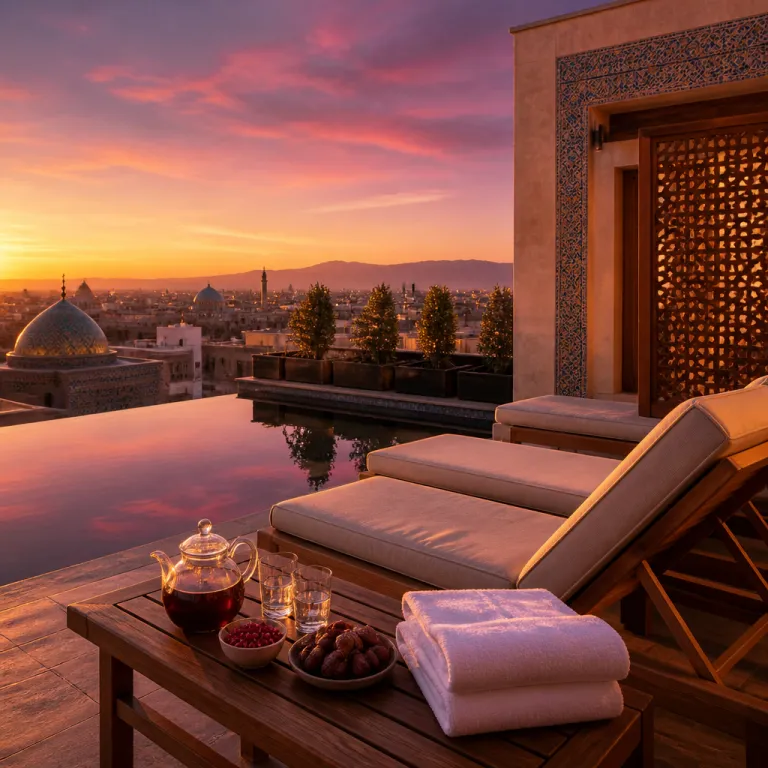
Reading five-star in Iran when there are no global brands
Luxury hotels in Iran operate without the safety net of familiar international chains. That absence forces you to read the local five-star hotel language differently, especially when you are used to standardized loyalty programs and brand promises. In this landscape, the smartest hotel guests treat every star rating as a starting point rather than a verdict.
The Iranian Tourism Organization regulates each hotel star classification, using national inspection checklists and guest surveys instead of foreign brand audits. According to the organization’s published guidelines, ratings are assigned “based on facilities and services” and are periodically reviewed through on-site inspections. For travelers comparing hotels Iran wide, that means a five-star hotel in Tehran may feel very different from a five-star property in Isfahan or Shiraz, even though both meet the same formal criteria.
Across the country there are around 50 officially rated five-star hotels, with an average occupancy of roughly 75 percent according to summaries released by the Ministry of Cultural Heritage, Tourism and Handicrafts in the early 2020s. Those numbers show that luxury hotels Iran wide are not a niche experiment but a core part of the tourism infrastructure. Yet the gap between paper standards and lived luxury can be wide, so you need to read reviews and understand how traditional expectations shape service.
In Iran, a star often rewards modern facilities such as large lobbies, multiple restaurants and conference halls. A palace hotel with a vast marble atrium may earn the same rating as a smaller comfort hotel that excels in service but lacks a grand façade. When you book, look beyond the star to the hotel location, the age of the building and how recent reviews describe maintenance, cleanliness and in-room technology.
“What amenities do five-star hotels in Iran offer?” is a question the authorities answer clearly in their classification handbook: amenities typically include luxury rooms, multiple restaurants, spas, and concierge services. That list aligns with global expectations, yet the execution feels distinctly Iranian, from saffron-scented welcome drinks to concierges who quote Hafez while arranging airport transfers. To navigate this, combine official classifications with guest reviews on major booking platforms and independent specialist guides, which decode where the stars truly shine at night.
Tehran’s luxury grammar: Espinas Palace and the new urban skyline
Tehran is where luxury hotels Iran first challenge your assumptions about what a flagship property should look like. The city stretches from Imam Khomeini Square in the older core to the affluent northern slopes, and that geography shapes every hotel location decision. For business-leisure travelers, the choice is usually between the dense city center and the elevated calm of the northern districts.
Espinas Palace in northwestern Tehran is the clearest example of a domestic palace hotel that behaves like an international hotel without the logo. The tower rises above Behroud Square, giving hotel guests long views over the city and the Alborz mountains, while inside the design mixes polished stone, chandeliers and modern facilities such as a full-scale spa and indoor pool. It is officially a five-star hotel, but its real strength lies in consistent service and a staff équipe trained to international best practices adopted by the national classification system and reinforced through regular audits.
For travelers arriving on late flights, pairing Espinas Palace or another hotel Tehran property with a premium airport stay can be smart. Specialist guides to luxury airport hotels in Tehran for international travelers explain how to bridge the distance between Imam Khomeini International Airport and the city without sacrificing rest. Tehran has no branded international hotel at the airport, yet several comfort hotel options offer quiet rooms, reliable transfers and enough luxury to reset after a long-haul flight.
Within the city center, older properties marketed as hotel luxury addresses can feel more traditional in layout, with lower towers but strong access to museums and business districts. When you compare these hotels, focus on how quickly you can reach key attractions such as the Grand Bazaar, the National Jewelry Treasury or the Taj Mahal–style mausoleum complex of Imam Khomeini on the southern edge of the city. A top hotel location in Tehran is rarely about walking to everything, but about minimizing time in traffic while maximizing your night views back over the city lights.
Because there are no foreign chains, Tehran’s luxury hotels Iran portfolio is dominated by domestic brands like Espinas and other international hotel–styled properties that serve diplomats, executives and affluent locals. Officials summarize the situation bluntly in recent tourism reports: major global hotel chains are not currently operating in Iran, so the country’s luxury inventory is almost entirely homegrown. That reality creates both risk and reward, but it also means your reviews of Tehran hotels genuinely matter in shaping the next wave of investment and renovation.
Heritage luxury in Isfahan, Kashan and Shiraz: when history sets the standard
Leave Tehran and the meaning of luxury hotels Iran shifts from skyline to courtyard. In Isfahan, Kashan and Shiraz, the most coveted hotels are often traditional mansions or caravanserais where stucco, stained glass and gardens replace glass towers and escalators. Here, the star on the façade tells only part of the story, while the sound of water in a central pool does the rest.
In Isfahan, the legendary Abbasi complex is frequently described as a palace hotel, with Safavid-era architecture, tiled arcades and a garden that feels like a film set at night. Officially it sits in the upper star hotel category, yet some rooms feel more traditional than high-tech, so travelers who prioritize modern facilities should book the renovated wings and read reviews carefully. Other hotels Iran wide may offer sleeker rooms, but few match Abbasi’s location near Naqsh-e Jahan Square and the main attractions that define the city.
Kashan has become a laboratory for heritage-driven hotel luxury, where restored merchant houses such as Saraye Ameriha and the nearby Monshi Hotel reinterpret Qajar domestic architecture for contemporary guests. These hotels are rarely the top choice for large conferences, yet they are extremely popular with independent travelers who value atmosphere over uniformity. For a deeper dive into this scene, specialist coverage of Kashan courtyard stays after dark maps the properties where rosewater, candlelight and starlit rooftops define the experience.
Shiraz, by contrast, balances traditional courtyard houses with newer comfort hotel builds that cater to tour groups visiting the city’s gardens and nearby Persepolis. Many of these hotels sit within easy reach of attractions such as the Vakil Bazaar, the Pink Mosque and the tombs of Hafez and Saadi, giving hotel guests a strong location advantage even if the hardware is less theatrical than in Isfahan. When you compare Shiraz hotels, look for a blend of reliable air conditioning, good soundproofing for the night call to prayer and enough character in the public spaces to remind you that you are in the city of poets.
For travelers who care about art and architecture, pairing these heritage stays with time in Tehran’s cultural institutions can be powerful. Curated guides to the Tehran Museum of Contemporary Art and refined stays show how to connect the capital’s galleries with hotel choices that respect design. Across Isfahan, Kashan and Shiraz, the most popular hotels are not always the newest, but they are the ones where history, service and setting align into a coherent narrative of Iranian luxury.
Service culture, taarof and how to read Iranian hotel reviews
Luxury hotels Iran wide share one invisible operating system: taarof, the Persian code of formalized generosity. This cultural software shapes everything from how reception handles your bill to how a porter refuses your tip three times before accepting. For Western travelers used to scripted service models, the choreography can feel both lavish and slightly opaque.
In practice, taarof means that staff in a hotel luxury environment may insist that something is “no problem” even when it requires effort behind the scenes. It also means that hotel guests are often treated as honored visitors rather than anonymous room numbers, with managers joining you for tea in the lobby or personally walking you to the elevator. When you read reviews, pay attention to comments about how staff handled problems, because that reveals how well the property translates taarof into practical, guest-facing solutions.
Because there are no international chains, training standards vary, yet the Iranian Tourism Organization has pushed for adoption of international best practices through regular quality audits. Recent updates to the national classification system, for example, added clearer criteria for housekeeping, safety checks and multilingual communication. “Verify hotel ratings through official sources,” the authorities advise, then add: “Consider guest reviews for insights,” and finally, “Check for available amenities.” That triad is especially important in cities like Tehran, Isfahan and Shiraz, where a top-rated star hotel on paper may still be catching up in terms of English language skills or digital payment systems.
When you use any reviews book platform, filter for travelers with similar profiles, such as business-leisure guests or families, because expectations differ. A comfort hotel near a major attraction might earn glowing comments from tour groups but mixed feedback from executives who needed faster Wi‑Fi and quieter meeting spaces. Look for detailed reviews that mention night noise levels, air conditioning performance, breakfast quality and the responsiveness of the front desk, since those elements define day-to-day luxury more than marble in the lobby.
Finally, remember that some of the most popular hotels Iran offers are still learning how to handle the volume of international guests returning after years of limited tourism. Patience, clear communication and a willingness to engage with the local rhythm of hospitality will usually be rewarded with extra care. In a country where global brands are absent and Iran’s luxury hotels are primarily domestic brands, your feedback helps shape the next generation of service culture and encourages properties to invest in staff training.
Price, value and how Iranian five-star compares globally
One of the quiet secrets of luxury hotels Iran is the value proposition. Compared with equivalent properties in Western Europe or the Gulf, nightly rates at many five-star hotels remain relatively modest, especially outside peak domestic holiday periods. That gap allows travelers to upgrade to suites, private transfers or spa treatments without breaking a corporate travel policy.
In Tehran, a room at Espinas Palace or another leading hotel Tehran property often costs less than a mid-tier international hotel in Dubai or Istanbul, yet offers comparable space and more personalized service. In Isfahan, Kashan and Shiraz, traditional mansions such as Saraye Ameriha or Monshi Hotel provide immersive architecture and attentive hosts at prices that would barely secure a standard room in a European capital. The absence of loyalty points and global status tiers is offset by the ability to buy tangible comfort hotel upgrades on the spot, from late check-out to private courtyard dinners under the stars at night.
Value, however, is not only about price but about alignment between expectations and reality. A palace hotel with a grand lobby but aging rooms may still feel luxurious if you prioritize atmosphere and public spaces over in-room technology. Conversely, a newer star hotel with excellent modern facilities but a bland design might be the better choice for travelers who need strong air conditioning, fast Wi‑Fi and reliable hot water more than historic frescoes.
When comparing hotels Iran wide, think in tiers rather than just stars: domestic chains like Espinas and other international hotel–style brands, heritage conversions in cities such as Isfahan and Kashan, and independent urban properties that function as de facto design hotels. Each tier serves different types of hotel guests, from conference delegates to honeymooners to executives extending a business trip into leisure. Reading both the official rating and the narrative of recent reviews will help you decide where your budget delivers the highest return on experience.
Because sanctions limit foreign investment, Iran’s hospitality sector has had to innovate with local capital and know-how. That constraint has produced a rise in domestic luxury brands and increased investment in the hotel sector, as regulators aim to “ensure high quality accommodations,” “attract international tourists,” and “enhance hospitality standards,” according to policy statements issued over the last decade. For travelers, the result is a market where careful research, honest reviews and a willingness to look beyond familiar logos can unlock exceptional stays at a fraction of the cost of comparable rooms elsewhere.
How to choose the right luxury stay in Tehran and beyond
Selecting among luxury hotels Iran offers starts with clarifying your priorities. Are you in Tehran for meetings near the city center, or are you pairing a few days of work with a weekend in Isfahan or Shiraz? Your answers will determine whether hotel location, heritage or spa facilities matter most.
For business-leisure travelers, a logical pattern is to begin in Tehran at a property like Espinas Palace or another high-floor hotel Tehran address with strong meeting infrastructure. From there, a short domestic flight or rail journey takes you to Isfahan, where a palace hotel–style property near the main attractions allows you to walk to Naqsh-e Jahan Square at night. Continuing to Kashan or Shiraz, you can then shift into more traditional mansions such as Saraye Ameriha or Monshi Hotel, where the rhythm slows and the focus turns to courtyards, gardens and poetry.
When evaluating options, use a simple framework: hardware, software and context. Hardware covers the physical product, from room size and modern facilities to whether the hotel feels like a comfort hotel or a grand palace; software refers to service, language skills and how well the team handles special requests; context includes proximity to attractions, traffic patterns and how the property fits into the wider city. A top hotel location in Tehran might mean quick access to Imam Khomeini Airport Road, while in Kashan it could mean being within a short walk of the historic houses and bazaar.
Because there is no international hotel chain to fall back on, cross-checking information matters. Start with the official star rating from the Iranian Tourism Organization, then read reviews on multiple platforms, paying attention to recent comments from international guests. Finally, consult specialist curators that filter hotels Iran wide for consistent quality, authentic character and transparent value, drawing on site visits and verified guest feedback.
As Iran continues to welcome more international visitors each year, the luxury segment is evolving quickly. New domestic brands are emerging, older properties are renovating and regulators are updating standards to reflect international best practices while preserving traditional hospitality. For travelers willing to engage with this dynamic landscape, luxury hotels Iran offer not just a place to sleep, but a front-row seat to a culture where welcome is an art form and every courtyard, lobby and rooftop terrace tells a story.
Key figures that frame Iran’s luxury hotel landscape
- Approximately 50 hotels currently hold official five-star status across Iran, according to the Iranian Tourism Organization and supporting data cited in national tourism reports from the early 2020s, indicating a relatively dense luxury network for a country without international chains.
- The average occupancy rate of five-star hotels in Iran is around 75 percent, showing strong domestic and international demand even in the absence of global loyalty programs, based on recent hospitality performance summaries released by the Ministry of Cultural Heritage, Tourism and Handicrafts.
- Iran welcomed about 7.4 million international visitors in a recent pre-pandemic year, a volume that underpins continued investment in hotel luxury infrastructure from Tehran to Shiraz, as reported in official tourism arrival statistics.
- Key regulatory updates to the national hotel classification standards were implemented in the late 2010s and early 2020s, aligning inspection checklists and guest survey tools more closely with international best practices.
- The Iranian Tourism Organization works with local hospitality partners and hotel management companies to conduct regular quality audits, reinforcing the credibility of the star system while encouraging upgrades in modern facilities and service training.
FAQ about luxury hotels in Iran
How reliable are five-star ratings for hotels in Iran ?
Five-star ratings in Iran are assigned by the Iranian Tourism Organization through a national classification system that evaluates facilities and services. The process uses inspection checklists, guest surveys and periodic quality audits to maintain standards. Travelers should still combine official ratings with recent guest reviews to understand how each property performs in practice.
Are international hotel chains operating luxury properties in Iran ?
There are currently no major international hotel chains operating luxury properties in Iran due to long-standing sanctions and regulatory constraints. As the official guidance states: “Are international hotel chains present in Iran? No, Iran's luxury hotels are primarily domestic brands.” Travelers therefore rely on domestic chains, heritage conversions and independent hotels for high-end stays.
What amenities can I expect at a five-star hotel in Tehran, Isfahan or Shiraz ?
Most five-star hotels in major Iranian cities offer spacious rooms, multiple restaurants, a fitness center and often a spa or pool. Concierge services, conference facilities and high-speed internet are common, especially in Tehran properties that serve business travelers. Heritage hotels in Isfahan, Kashan and Shiraz may emphasize courtyards and traditional architecture but increasingly integrate modern facilities such as climate control and upgraded bathrooms.
How should I choose between a modern tower hotel and a traditional mansion stay ?
The choice depends on whether you prioritize standardized comfort or immersive atmosphere. Modern tower hotels, such as large properties in Tehran, usually provide more predictable hardware, including elevators, soundproofing and extensive meeting spaces. Traditional mansions in Isfahan, Kashan or Shiraz offer a richer sense of place, but may have quirks such as stairs, uneven floors or smaller windows that you should consider when booking.
Is it safe and practical to book luxury hotels in Iran as an international traveler ?
Booking luxury hotels in Iran is generally straightforward, especially when using reputable platforms or specialist agencies familiar with local regulations. Many top properties are accustomed to hosting international guests and can assist with airport transfers, internal transport and basic translation needs. As always, check recent reviews, confirm payment options in advance and verify the hotel’s exact location relative to your planned itinerary.