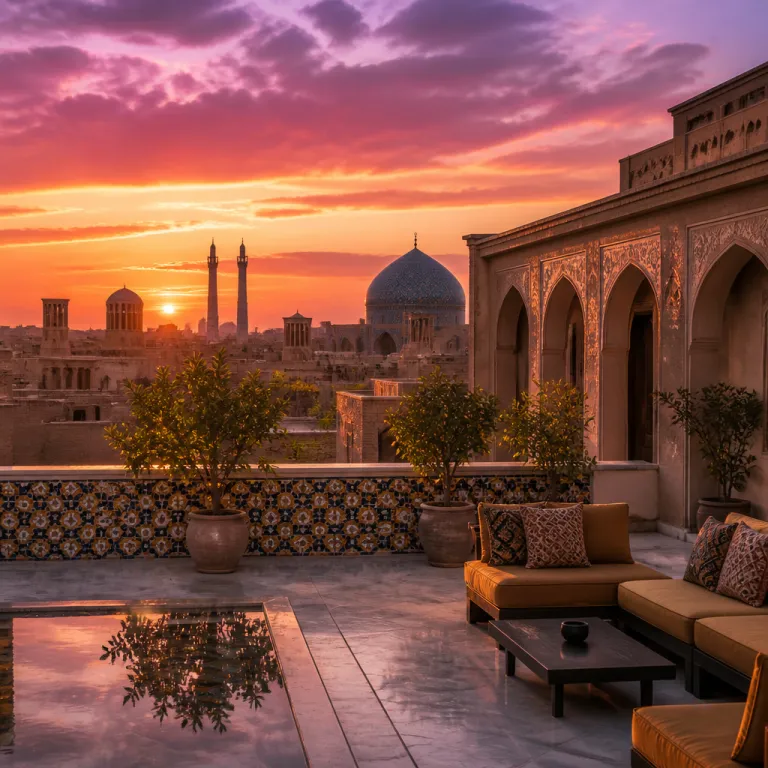
Persia tourist spots in historic cities for luxury minded travelers
Persia tourist spots in Iran’s historic cities reward travelers who value comfort and culture in equal measure. In every ancient city you visit, the most beautiful stays sit within walking distance of major attractions, which makes it easier to balance museum mornings with spa afternoons. Thoughtful planning will help you align your preferred Iran tour style with the rhythm of each place and the specific heritage sites you want to see.
Across Iran, luxury and premium hotels cluster around the most important tourist attractions, so choosing the right neighborhood often matters more than choosing the brand. When you plan to visit Iran for several nights in each city, look for properties that frame views of mountains, old mosques, or tiled squares, because these perspectives turn your room into a private travel guide to living Persian history. Many of the best places also coordinate private transfers between cities, which is especially valuable when your itinerary includes both desert landscapes and coastal regions such as Qeshm Island or Bandar Abbas; typical drives between major cities range from three to six hours, while domestic flights usually take under 90 minutes.
Historic cities like Tehran, Isfahan, Shirz, and Yazd each offer a distinct window into ancient Persia, and your hotel choice will shape how you experience that story. In Tehran, staying near Golestan Palace or the Tajrish district lets you reach museums and bazaars quickly, while in Isfahan a room near Naqsh Jahan Square places you inside one of the world’s most atmospheric urban heritage sites. Around Shiraz, basing yourself close to Persepolis and Naqsh e Rostam allows you to explore these UNESCO heritage treasures at the best time of day, when the light softens the stone reliefs and the crowds thin; most visitors allow at least half a day for Persepolis and one to two hours for Naqsh e Rostam.
Tehran and Isfahan: where city energy meets classical elegance
Tehran is often the first city on an Iran tour, and it sets the tone for how you will experience Persia tourist spots across the country. Luxury travelers usually choose central districts that offer quick access to both modern business areas and historic attractions, which makes it easy to move from a gallery opening to a traditional mosque in a single afternoon. Staying near Golestan Palace gives you immediate access to one of the most important royal heritage sites, where intricate tile work and mirrored halls tell the story of Iranian dynasties; plan at least two to three hours for a relaxed visit.
North of the city center, the Tajrish neighborhood combines a lively bazaar with upscale cafés and hotels, and this mix appeals to travelers who want both authenticity and comfort. From here, you can reach the mountains above Tehran in less than an hour, then return to a refined hotel spa before dinner, which is a welcome contrast after a long day of sightseeing. For a deeper look at high end options in the capital, consult this detailed review of Tehran luxury hotels and fine dining, which evaluates service standards, views, and restaurant quality; many top properties in the city fall into a mid to upper price band by international standards.
Isfahan, by contrast, feels like a living museum of ancient Persia, and the best places to stay orbit Naqsh Jahan Square, also known as Jahan Square. From a premium hotel near this vast plaza, you can walk to the Jameh Mosque, the Shah Mosque, and the Ali Qapu Palace, each one showcasing different eras of Persian tile work and urban design. For practical advice on which district suits your style, use this neighborhood based guide to where to stay in Isfahan, which compares riverside, bazaar side, and quieter residential areas, and explains how long it typically takes to walk between major monuments.
Shiraz, Persepolis and Naqsh e Rostam: staying close to ancient Persia
Shiraz is one of the most beautiful cities in Iran, and it serves as the natural base for visiting Persepolis and Naqsh e Rostam, two of the most iconic Persia tourist spots. Many luxury travelers split their time between a refined city hotel near the gardens and mosques, and a countryside property closer to the ancient ruins, which reduces driving time at sunrise or sunset. This combination allows you to enjoy Shiraz’s poetic atmosphere in the evening while dedicating your freshest hours to exploring the great heritage sites of ancient Persia; driving time from central Shiraz to Persepolis is usually around one hour in light traffic.
Persepolis, the ceremonial capital of the Achaemenid Empire, lies roughly 60 kilometers from Shiraz, and private transfers arranged by premium hotels make the journey seamless. Local experts consistently recommend avoiding the hottest hours of the day, and guidance from the Iranian Cultural Heritage, Handicrafts and Tourism Organization (ICHHTO) emphasizes that spring (roughly March to May) and autumn (September to early November) offer the most pleasant weather for visiting the ruins. Many travelers pair Persepolis with Naqsh e Rostam on the same day, because the royal tombs carved into the cliff face provide a powerful counterpoint to the grand processional reliefs of the main site.
Within Shiraz itself, staying near the historic core places you close to the Vakil Bazaar, the Nasir al Mulk Mosque, and several lush gardens that rank among the best places in Iran for evening strolls. When you plan your visit Iran itinerary, consider timing your stay to coincide with the rose season, as the city’s gardens and courtyards become especially fragrant and photogenic. For a nuanced perspective on how seasonal changes affect both hotel demand and sightseeing, read this in depth piece on late spring stays in Shiraz, which analyzes how light, temperature, and crowd levels shape the experience and suggests ideal times of day for photography.
Yazd, deserts and mountains: heritage hotels between sand and sky
Yazd offers a very different expression of Persia tourist spots, with its adobe alleys, windcatcher towers, and desert light creating an atmosphere unlike any other city in Iran. Luxury and premium hotels here often occupy restored courtyard houses, where thick walls and central pools keep interiors cool even when the surrounding desert bakes in the sun. Many of these properties integrate views of the Jameh Mosque’s turquoise minarets or the surrounding mountains, which means your first and last impressions each day are deeply Persian and closely tied to the historic skyline of the old town.
From Yazd, travelers can reach some of the most dramatic desert landscapes in the country, including access routes toward the Lut Desert, a UNESCO heritage site known for its otherworldly landforms and extreme temperatures. While most high end hotels remain within the city itself, concierge teams can arrange guided excursions into the dunes and salt flats, often timed for sunrise or sunset when the light softens and the heat becomes manageable. These outings usually count among the most memorable tourist attractions on an Iran tour, especially when combined with stargazing far from urban light pollution and simple desert dinners served under the open sky.
Back in the city, the best places to stay position you within walking distance of key heritage sites, so you can explore at your own pace. The Jameh Mosque, with its soaring portal and intricate tile work, anchors many walking routes, while rooftop cafés provide panoramic views over the old town’s labyrinth of lanes. When you plan which places in Iran to prioritize, Yazd often emerges as a favorite because it balances authentic Iranian daily life with well preserved architecture and a growing range of premium accommodation options that appeal to travelers interested in both comfort and cultural immersion.
Southern coasts and islands: Qeshm Island, Bandar Abbas and beyond
While many travelers focus on inland Persia tourist spots, the southern coasts of Iran offer a compelling extension to a heritage focused itinerary. Qeshm Island and the nearby port city of Bandar Abbas introduce a maritime dimension to your journey, with mangrove forests, coastal mountains, and traditional fishing villages expanding the definition of Persian attractions. Luxury and premium hotels remain fewer here than in Tehran or Isfahan, but carefully chosen properties still provide comfortable bases for exploring these distinctive places and give you access to local guides who specialize in coastal ecosystems.
On Qeshm Island, the main draws include the Hara mangrove forests, the Star Valley rock formations, and several caves and beaches that feel far removed from the classical image of ancient Persia. When you visit Iran with a flexible schedule, adding a few nights here allows you to experience a different climate and culture, shaped by centuries of trade across the Persian Gulf. In Bandar Abbas, seafront promenades and local markets offer a lively contrast to the quiet courtyards of Yazd or the formal geometry of Naqsh Jahan Square in Isfahan, and evenings often revolve around seafood restaurants and sunset walks along the waterfront.
From a practical standpoint, travelers often end or begin their Iran tour in the south, using domestic flights to connect with Tehran or Shiraz. Premium hotels in these coastal cities can arrange airport transfers, boat excursions, and guided visits to nearby villages, which simplifies logistics in areas where public transport may be less intuitive for first time visitors. When you evaluate the best places to allocate your time, consider how a coastal segment complements the deserts, mountains, and historic city centers already on your list of places to visit, and allow at least two full days if you want to combine nature excursions with relaxed time by the sea.
How to choose luxury hotels near key mosques and heritage sites
Selecting the right luxury or premium hotel near major Persia tourist spots requires more than scanning star ratings. In Iran, proximity to a mosque, palace, or square often matters as much as room size, because walking access lets you experience sites at quieter times of day. When you compare options, map the distance between the property and the attractions you care about most, whether that is Golestan Palace in Tehran, Naqsh Jahan Square in Isfahan, or the old quarters of Yazd, and check whether streets are pedestrian friendly or involve busy crossings.
In Isfahan, for example, staying near Jahan Square means you can visit the Jameh Mosque, the Shah Mosque, and the surrounding bazaars early in the morning, then return to your hotel for a leisurely breakfast. The same logic applies in Tehran, where a room close to Golestan Palace or the National Museum allows you to break up your day into shorter segments, which is especially valuable in summer heat. In Shiraz, choosing a hotel near the historic center reduces transfer time to Persepolis and Naqsh e Rostam, leaving more hours for the gardens and other city attractions; many travelers also appreciate being able to walk to restaurants and evening tea houses.
Across these cities, pay attention to how each property interprets Persian design, from tile work and courtyards to contemporary art and lighting. Some hotels lean heavily into historical motifs, while others offer a more understated backdrop that lets the surrounding heritage sites take center stage, and both approaches can work depending on your taste. When you plan places to visit across Iran, think of your hotels not only as places to sleep but as extensions of the cultural landscape, shaping how you feel each time you step out into the streets of ancient and modern Iranian cities and how easily you can reach the monuments on your personal must see list.
Key statistics on Persia tourist spots and historic cities
- Persepolis welcomes several hundred thousand visitors each year according to figures cited by the Iranian Cultural Heritage, Handicrafts and Tourism Organization (ICHHTO) in recent tourism reports, which makes it one of the most visited heritage sites in the country and a central highlight of many Iran tour itineraries.
- Naqsh e Rostam contains four monumental royal tombs carved into the cliff face, as documented by archaeological surveys and UNESCO nomination files, and travelers often combine this necropolis with a same day visit to Persepolis from Shiraz.
- Masuleh village in northern Iran sits at an elevation of about 1,050 meters above sea level, based on geographical data from national mapping agencies, and its stepped architecture and foggy climate offer a striking contrast to desert cities like Yazd.
- The Tajrish bazaar in Tehran has an estimated history of around 200 years according to historical records from local archives, which helps explain its layered mix of traditional stalls and more contemporary shops.
- Kashan counts at least 10 major traditional houses open to visitors, according to the local tourism board and municipal cultural offices, and several of these historic homes have been converted into atmospheric guest accommodations.
FAQ about luxury stays near Persia tourist spots
What is the best time to visit Persepolis from Shiraz ?
Local experts recommend planning your Persepolis excursion in spring or autumn, when temperatures are milder and the light is softer on the stone reliefs. Guidance from the Iranian Cultural Heritage, Handicrafts and Tourism Organization notes that these shoulder seasons offer particularly pleasant conditions for walking among the ruins. Many luxury hotels in Shiraz can arrange early morning or late afternoon private transfers, which helps you avoid both heat and crowds.
Are guided tours available in Masuleh and how do they work ?
Guided tours are available in Masuleh, and local guides offer walking routes through the stepped village, explaining its architecture and history. The official guidance from regional tourism offices confirms that licensed guides can be hired on site or booked in advance through agencies. Premium travelers often arrange these visits through their hotel concierge, which ensures vetted guides and flexible timing.
Is photography allowed inside traditional houses in Kashan ?
Photography is generally allowed in Kashan’s traditional houses that operate as museums or guesthouses, but some rooms or exhibits may have restrictions. Visitor information from individual sites usually states that personal photography is acceptable while commercial shoots require prior permission. Always check posted signs and ask staff before using tripods or flash, especially in more fragile heritage spaces.
How can I reach Tajrish from central Tehran when staying in a city hotel ?
Reaching Tajrish from central Tehran is straightforward, because metro lines and buses connect the downtown area with the northern district. Official advice from the Tehran Urban and Suburban Railway Company confirms that the metro runs directly to Tajrish station, with frequent departures during the day. Many luxury hotels also offer private car services, which can be more comfortable during peak traffic hours.
Are there entrance fees for Naqsh e Rostam and how should I plan payment ?
Entrance fees apply at Naqsh e Rostam, and tickets are required for entry to the archaeological zone. Information from the Iranian Cultural Heritage, Handicrafts and Tourism Organization notes that ticket prices are periodically updated and usually listed at the site entrance in both Persian and English. Since international card payments can be limited in Iran, plan to carry sufficient local currency and ask your hotel or guide about current prices before you go.