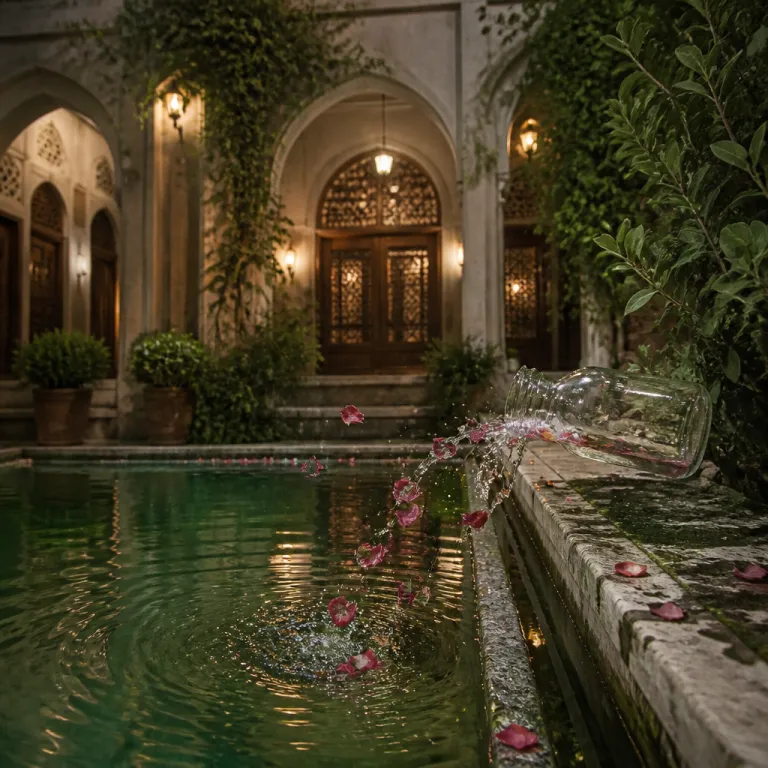
Why Kashan’s courtyard scale feels different from bigger iran hotels
In Kashan, the scale of hospitality is intimate enough that staff may remember your tea order by the second night. The city sits between Tehran and Isfahan, yet the Kashan hotels Iran scene feels worlds away from the larger heritage hotels that dominate those destinations, with each traditional house hotel wrapped around a quiet courtyard. Where a star hotel in a capital might impress with height and glass, a traditional residence in Kashan Iran seduces with silence, shadow and the sound of water.
The city’s historic core is compact, so many hotels Kashan guests can walk from their room to the bazaar, Sultan Amir Ahmad Bathhouse or Agha Bozorg Mosque in minutes. That proximity means you can book a hotel Kashan stay where a late afternoon in Fin Garden flows seamlessly into an evening rooftop dinner, without ever needing a car. For couples planning travel across Iran hotels networks, Kashan works beautifully as a two or three night pause between Isfahan and Yazd, with the city offering a softer landing after long drives.
Unlike the grander Iranian house conversions in Isfahan, most Kashan hotels occupy one or two joined courtyard houses, rarely more. Fewer rooms mean staff quickly learn your rhythms, whether you prefer breakfast in the shade of a pomegranate tree or on a wind-cooled roof. This human scale is why many regulars quietly rate Kashan boutique hotels as among the best places in Iran for feeling both looked after and left alone.
The architectural vocabulary of a Kashan courtyard residence
Staying in a traditional house Kashan property is as much about architecture as about service. A classic Iranian house in the old city layers spaces from public to private, starting with the hashti entrance vestibule that bends your path and your gaze before revealing the main courtyard. Many of the most atmospheric Kashan hotels Iran have preserved this sequence, so the first view of the central pool and iwan porches feels almost theatrical.
Look up and you will often see a badgir wind tower drawing cool air down into underground rooms, while an ab anbar cistern once stored water for the residence Kashan families who lived here. Today those same underground spaces might hold a quiet room, a small spa or a candlelit breakfast area, giving guests a tactile sense of how traditional residence design tamed desert heat long before modern air conditioning. In the best Kashan courtyard hotels, lighting is kept low at night, so stucco, brick and stained glass do the work instead of LEDs.
For couples who care about design, choosing a house hotel in Kashan Iran is a chance to sleep inside Qajar-era craftsmanship rather than just tour it. When you book a room in a restored traditional house, you are also booking carved wooden doors, painted ceilings and coloured glass that throws jewel-toned light across your bed at sunrise. To plan how this fits into a wider Iran travel route, pair your Kashan stay with a slower overland itinerary using a civilised logistics guide, such as the one on travelling across Iran at a local pace.
Rosewater season: when saraye courtyards breathe damask perfume
From early May to mid June, Kashan and nearby Ghamsar shift into rosewater mode and the entire city seems to exhale fragrance. Local artisans harvest damask roses at dawn, then feed petals into copper stills, while hospitality partners integrate this traditional rosewater distillation into guest experiences. During this period, Kashan hotels Iran often arrange early morning excursions so you can watch the process before returning to your hotel for a rose-infused breakfast in the courtyard.
The annual festival is not just spectacle; it underpins the local economy and shapes how many traditional residence owners plan their year. According to figures cited by Iran’s Ministry of Cultural Heritage, Tourism and Handicrafts, the Kashan region produces several thousand tonnes of rosewater each season and welcomes tens of thousands of visitors during peak weeks, which explains why you should book your preferred house hotel well in advance. Many hotels Kashan properties collaborate with Kashan courtyard hosts and local artisans, so guests can participate in distillation workshops, taste rosewater in Iranian house desserts and even bring home small bottles as practical souvenirs.
Evenings during rosewater season are particularly atmospheric, as the scent lingers in walled courtyards and on rooftop terraces where couples dine under a desert sky. If you are pairing Kashan with Shiraz on a longer Iran travel route, consider timing your trip so rosewater nights here lead into late spring garden evenings there, using a thoughtful guide to Shiraz’s gardens for inspiration. The result is a journey where fragrance, from Kashan’s still rooms to Shiraz’s orange blossoms, becomes the quiet thread that links your Iran hotels stays.
Signature houses: saraye Ameriha, Morshedi, Manouchehri and Mahinestan Raheb
Certain names anchor any serious conversation about Kashan hotels, and they each offer a distinct mood. Saraye Ameriha is the grande dame, a vast historical residence Kashan with multiple courtyards, soaring badgir towers and some of the most photogenic rooms in the city. Its scale feels closer to a small palace than a simple house, yet careful zoning means couples can still find quiet corners for a late-night tea.
By contrast, Morshedi House leans into the feeling of a lived-in traditional house, with fewer rooms and a more domestic rhythm that suits travellers who want to feel part of the neighbourhood. Manouchehri House sits somewhere between the two, combining meticulous restoration with a more modern design language in certain rooms, which appeals to guests who like their Iranian house experience softened by contemporary comforts. Mahinestan Raheb, another beautifully restored house Kashan property, is often praised as one of the best options for couples who value both privacy and attentive service in a star hotel level setting.
Across these properties, you will see how Kashan hotels Iran balance heritage with the realities of the current hotel pipeline in Iran’s hospitality sector. Some have invested heavily in infrastructure, while others remain more fragile, a topic explored in depth in analyses of the Gulf’s investment freeze and its impact on Iran hotels development. When you book, read recent guest feedback carefully, because in a historical house hotel even small maintenance lapses can affect how your room feels at night.
Designing your Kashan night: itineraries, breakfasts and quiet returns
A well-planned Kashan stay starts with accepting that the city rewards slowness. Rather than trying to tick every historical site in a single day, build an itinerary that lets your chosen hotel Kashan property act as a calm base between short walks. That way, the rhythm of your travel matches the rhythm of the traditional houses you are sleeping in.
One classic route begins at Fin Garden in the cool of the morning, then loops back through the city Kashan streets to the bazaar for lunch and a coffee under the brick domes. From there, you can wander to Tabatabaei House and Borujerdi House, two masterpieces that help you read the architectural language of your own residence Kashan when you return for an afternoon rest. Late afternoon is ideal for Sultan Amir Ahmad Bathhouse and its rooftop views, before you retreat to your Iranian house hotel for a slow tea as the courtyard darkens.
Breakfast is where many Kashan hotels quietly distinguish themselves, whether through homemade jams, freshly baked barbari bread or rosewater-scented yoghurt served in the shade of an iwan. At night, the best hotels Kashan dim the lights and let the sky take over, so couples can end the day with a final walk around the pool before heading to their rooms. When you book, ask whether your chosen traditional residence offers rooftop access, late-night tea service and flexible breakfast hours, because these small details often matter more than any star hotel rating.
Practical booking intelligence for kashan hotels iran
Choosing between the many Kashan hotels can feel daunting, but a few filters help. First, decide how deeply you want to lean into the traditional experience, because some properties keep rooms almost entirely period correct while others introduce more modern layouts and bathrooms. Couples who value comfort over strict authenticity may prefer a house hotel where only public spaces remain historical, while bedrooms feel closer to international Iran hotels standards.
Second, pay attention to room orientation within each traditional house, as courtyard-facing rooms often enjoy softer light and quieter nights than street-facing ones. In summer, underground or lower-level rooms can be cooler thanks to the original climate-responsive design of each Iranian house, though some guests prefer upper floors for their views over the city. When you book, ask specifically about noise, light and access, because in a historical residence Kashan layout no two rooms behave the same way.
Finally, consider timing. If you want to experience rosewater season at its most intense, plan your travel between early May and mid June, when, as local organisers explain, “Early May: Rose harvesting begins. Mid May: Peak distillation period. Mid June: Festival concludes.” During these weeks, demand for Kashan hotels Iran spikes, so secure your preferred room and breakfast plan early, especially if you are combining Kashan with other Iran hotels stays on a longer route.
FAQ
When is the best time to visit Kashan for rosewater season ?
The rosewater season in Kashan runs from early May to mid June, when damask roses are harvested and distilled in nearby villages such as Ghamsar. This period coincides with the annual rosewater festival, which draws large crowds and significantly increases demand for Kashan hotels. If you want to attend distillation workshops and enjoy rose-scented courtyards at night, book your preferred traditional residence several months in advance.
How many nights should I book in Kashan for a comfortable stay ?
For most couples, two to three nights in a Kashan house hotel strike the right balance between rest and exploration. This allows one full day for Fin Garden, the bazaar and key historical houses, plus another day for Sultan Amir Ahmad Bathhouse and slower wandering through the city Kashan lanes. With three nights, you can also fit in a rosewater distillation visit during the festival period without rushing your breakfasts or evenings.
Are Kashan’s traditional houses suitable for travellers used to modern hotels ?
Many Kashan hotels Iran successfully blend traditional architecture with modern comforts, but the balance varies by property. Larger residences such as Saraye Ameriha and Mahinestan Raheb tend to offer more contemporary bathrooms, climate control and amenities within historical shells. Smaller houses like Morshedi House or Manouchehri House may feel more characterful and intimate, so travellers who usually stay in a star hotel should read recent reviews carefully to match expectations.
How far are Kashan’s hotels from major sights like Fin Garden and the bazaar ?
Most residence Kashan properties in the old city sit within a 1 to 3 kilometre radius of key attractions. The bazaar, Agha Bozorg Mosque and several historical houses are often reachable on foot from your Iranian house in 10 to 20 minutes. Fin Garden lies slightly outside the dense centre, so couples usually take a short taxi ride from their hotel, returning in time for a late breakfast or an afternoon rest in the courtyard.
Do Kashan courtyard hotels organise activities during the rosewater festival ?
Yes, many Kashan hotels collaborate with local artisans and tourism boards to offer festival-related activities. Guests can often join early morning trips to rose fields, observe traditional distillation in copper stills and sample rosewater-infused Iranian house desserts back at their residence. When you book, ask your chosen hotel Kashan about scheduled workshops and whether they can secure spots in popular sessions during peak festival days.