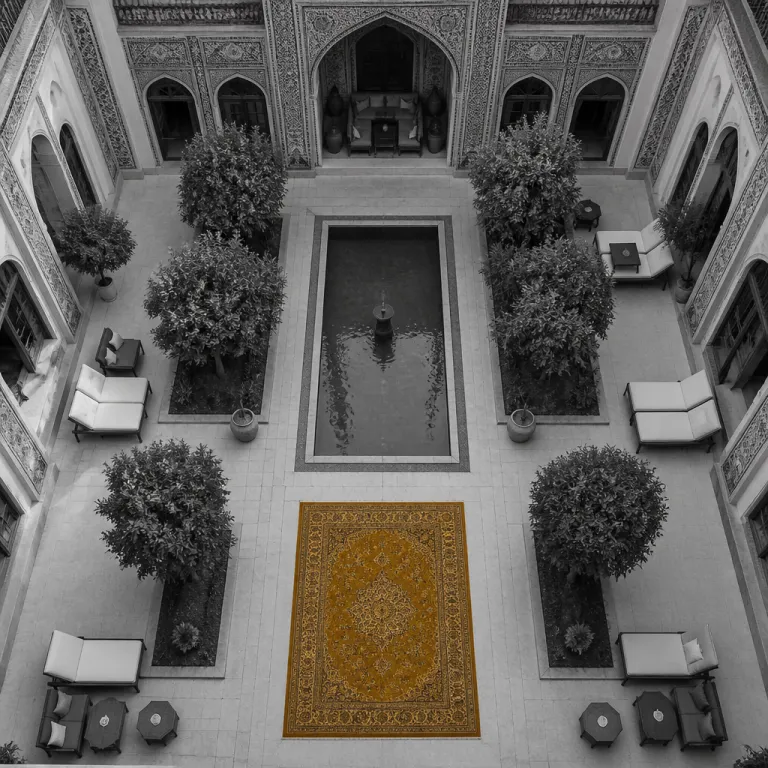
Things to do in Iran when you love luxury stays
Iran rewards curious travellers who pair refined hotels with rich experiences. This country offers a rare mix of ancient cities, elegant palaces, sacred mosques, and silent desert landscapes that feel made for slow, luxurious travel. When you curate the right activities in Iran, every day becomes a considered journey between historical attractions and indulgent comfort.
Start in Tehran, a city where contemporary galleries, rooftop lounges, and heritage mansions sit side by side. Many premium hotels in Tehran arrange private transfers, priority handling of entrance fees, and expert guides so you can focus on the most meaningful aspects of the capital. With a personalised travel guide, you move effortlessly from the glittering halls of Golestan Palace to refined restaurants serving modern Persian tasting menus.
For travellers booking high end rooms, the most rewarding experiences in Iran are often unlocked through concierge desks. A skilled Iranian concierge will secure timed entries to crowded sites, arrange after hours access where regulations allow, and coordinate drivers who understand both traffic and etiquette. This level of planning turns a busy Iran travel itinerary into a calm, elegant progression of experiences.
Staying in Tehran for culture, comfort, and curated experiences
Tehran is the main gateway city for most people who visit Iran, and it deserves more than a rushed overnight. Luxury hotels here often sit close to major tourist attractions, which saves precious time in a metropolis known for heavy traffic. When you choose carefully, your room becomes a quiet base between museum visits, palace tours, and refined dinners.
Golestan Palace is Tehran’s crown jewel, a Qajar era complex where mirrored halls and painted ceilings showcase Persian artistry. Many premium properties offer half day excursions that combine Golestan Palace with nearby bazaars and museums, with your guide handling every entrance fee and timing detail. A typical outing might run from 9:00 to 13:00, leaving the afternoon free for a spa treatment or poolside rest back at your hotel.
Curated city tours often include Tehran’s contemporary side as well as its historical attractions. Your travel guide might pair a morning among royal collections with an afternoon in modern galleries or high rise cafés overlooking the city. These tailored itineraries show how Tehran, among all cities Iran offers, balances heritage with a cosmopolitan rhythm.
Practicalities for luxury travellers in Tehran
Before confirming your hotel, check how the property supports premium experiences among the many things to do in Iran’s capital. Some addresses include in house travel Iran desks that specialise in private drivers, English speaking guides, and restaurant reservations. Others partner with external agencies, which can still work well if communication is clear and response times are fast.
Visa and registration rules shape how you book accommodation in Iran, especially at the luxury level. For an in depth explanation of how registered stays and new visa rules affect premium travellers, review this guide to Iran’s new visa rules and registered accommodation for luxury stays. Understanding these regulations early will help you choose hotels that protect both comfort and compliance throughout your Iran travel.
Safety and etiquette questions arise often when people plan to visit Iran. Official guidance from several foreign ministries broadly states: “Is it safe to travel to Iran? Yes, with proper precautions and awareness of local laws.” Luxury hotels in Tehran usually brief guests on local customs, appropriate dress for mosque visits, and recommended transport options, which adds another layer of reassurance.
Historic cities, mosques, and palaces for refined itineraries
Beyond Tehran, the classic arc of cultural travel in Iran leads through Isfahan, Shiraz, and Yazd. These cities Iran is famous for combine graceful mosques, shaded squares, and caravanserai courtyards that pair beautifully with premium stays. When you weave them into a single itinerary, you move through centuries of Persian history while sleeping in polished, comfortable surroundings.
Isfahan is often called half the world, and a well located luxury hotel lets you feel why. Naqsh Jahan, also known as Naqsh-e Jahan Square or simply Jahan Square, forms the city’s heart with its arcades, mosques, and palace pavilions. From a nearby property, you can stroll to this UNESCO World Heritage site at sunrise, return for breakfast, then head back in the evening when the lights reflect in the pools.
Within the square, the Ali Qapu palace and the Shah Mosque (Imam Mosque) reveal different faces of Persian design. Your guide can explain how each entrance fee supports preservation of these historical attractions, while your concierge times visits to avoid the heaviest crowds. This is where a thoughtful travel guide transforms a standard stop into one of the most memorable cultural highlights Iran offers.
Shiraz, mosques, and gardens with poetic charm
Shiraz adds a softer, more romantic note to your travel Iran journey. Luxury hotels here often arrange early morning visits to Nasir al Mulk Mosque, where stained glass windows cast coloured light across the prayer hall. Arriving before tour buses is essential, and a private driver organised by your hotel makes that timing effortless.
From Shiraz, many travellers continue to Persepolis, the ancient city that once served as the ceremonial capital of the Achaemenid Empire. Walking among its columns and reliefs is one of the defining things to do in Iran for anyone interested in ancient civilisations. Because the site is exposed and distances are long, premium tours often include shaded rest stops, cold drinks, and flexible pacing.
Back in Shiraz, landscaped gardens and shrines offer quieter places Iran is known for. A refined travel guide might suggest pairing a visit to the tomb of Hafez with tea in a traditional courtyard, then returning to your hotel spa before dinner. These thoughtful rhythms keep your Iran travel both enriching and restful.
Yazd and the art of slow, desert edge living
Yazd sits between mountains and desert, and its earthen skyline feels timeless. Many premium properties here occupy restored mansions with central courtyards, windcatchers, and rooftop terraces overlooking the old city. From these vantage points, sunrise and sunset become daily rituals rather than rushed photo opportunities.
The Jameh Mosque of Yazd, often simply called the Jameh Mosque, anchors the old quarter with its tall minarets and intricate tilework. Visiting with a knowledgeable guide helps you understand how this mosque fits into the broader story of Persian religious architecture. When you return to your hotel, you can continue the conversation over a refined Iranian dinner featuring regional dishes.
Yazd also serves as a gateway to nearby desert landscapes, which we will explore in more detail later. For now, remember that among all cities Iran offers, Yazd is where many travellers finally slow down. That slower pace is ideal for luxury guests who value atmosphere as much as checklists of tourist attractions.
Deserts, islands, and nature escapes with premium comfort
Many travellers expect Iran to be mostly desert, yet the reality is more nuanced and beautiful. The most rewarding outdoor activities in Iran’s natural landscapes range from stargazing in the Lut Desert to sailing around islands in the Persian Gulf. When you pair these experiences with luxury and premium hotels, wild places become accessible without sacrificing comfort.
The Lut Desert, or Dasht-e Lut, is one of the hottest places on Earth, with NASA satellite analyses reporting peak land surface temperatures above 70 °C in some zones. Because of these extremes, responsible Iran travel here always involves expert guides, proper vehicles, and carefully timed excursions. Many high end operators offer overnight glamping style camps at the desert’s edge, where you can enjoy silence, stars, and gourmet meals before returning to air conditioned tents.
For travellers who prefer milder climates, Iran’s islands offer a different set of experiences Iran is known for. Kish Island combines resort style hotels, shopping centres, and water sports in the Persian Gulf, making it a popular weekend escape for regional visitors. Qeshm Island and nearby Hormuz Island appeal more to travellers seeking geological wonders, colourful beaches, and quieter, more local atmospheres.
Choosing between Kish Island, Qeshm Island, and Hormuz Island
Each island offers distinct experiences, and your choice will shape your itinerary. Kish Island is best for travellers who want polished resorts, easy logistics, and familiar leisure activities such as malls and organised excursions. Many premium hotels here can arrange yacht charters, diving trips, and spa packages that align with a luxury focused list of things to do in Iran.
Qeshm Island, by contrast, is larger and more rugged, with mangroves, canyons, and villages that showcase everyday Iranian coastal life. Accommodation ranges from simple guesthouses to more refined stays, and a good travel guide will help you balance comfort with authenticity. Hormuz Island, famous for its red and multicoloured soils, often appears as a day trip from Qeshm Island, though some travellers choose to linger longer.
Whichever island you choose, check how your hotel or operator handles entrance fee payments for protected areas and guided excursions. Transparent pricing and clear communication are essential markers of trustworthy partners in the Middle East travel landscape. When these details are handled well, you can focus fully on the beautiful seascapes and relaxed island rhythm.
Mountain and desert edges for active luxury
Not all things to do in Iran’s nature are about relaxation; some are distinctly active. Mount Damavand, the country’s highest peak, attracts trekkers who want a challenging ascent combined with comfortable pre and post climb stays. Many premium travellers base themselves in Tehran or nearby resorts, using high quality gear and experienced guides arranged through specialised agencies.
Closer to the cities, day trips to desert fringes allow you to experience dunes and starry skies without committing to multi day expeditions. Luxury hotels in Yazd and Kashan often collaborate with local operators to offer sunset drives, camel rides, and stargazing sessions that return you to your room the same night. These curated outings show how places Iran is famous for can be enjoyed in comfort, even when the environment is harsh.
When planning such activities, always ask about safety protocols, vehicle standards, and guide training. Responsible Iran travel means respecting both the environment and local communities, especially in fragile desert ecosystems. A high calibre travel guide or concierge will be transparent about these aspects and adjust plans according to weather and guest fitness levels.
Exclusive tour packages tailored to luxury hotel guests
For travellers who value ease and depth, exclusive tour packages linked to premium hotels can be the most efficient way to organise their time in Iran. These packages often combine guaranteed room categories, private transfers, curated excursions, and dining experiences into a single, coherent itinerary. When designed well, they remove friction while preserving flexibility and personal choice.
Many luxury hotels in Tehran, Isfahan, Shiraz, and Yazd partner with specialist agencies that understand both international expectations and Iranian realities. Together, they craft multi city routes that connect key historical attractions such as Golestan Palace, Naqsh Jahan Square, Persepolis, and the Jameh Mosque of Yazd. Each day balances structured visits with free time, allowing you to enjoy hotel facilities without feeling rushed.
These exclusive packages often include thoughtful touches that elevate standard Iran travel. Examples include private access hours at busy sites where regulations permit, expert led walks through old city quarters, or Persian culinary workshops hosted in elegant settings. Such details transform a list of tourist attractions into a narrative of places Iran has shaped over millennia.
How premium packages handle logistics and comfort
One of the main advantages of high end packages is seamless logistics. Airport transfers, intercity transport, and local drivers are coordinated in advance, with contingency plans for traffic or schedule changes. This matters especially in large cities Iran is known for, where navigating on your own can be time consuming.
Entrance fee management is another area where exclusive packages shine. Instead of queuing at each mosque, palace, or museum, you often move through dedicated lines or have tickets pre purchased by your guide. Over a multi day itinerary, this saves hours, which you can then spend enjoying hotel spas, pools, or quiet lounges.
Comfort also extends to pacing and rest. A well designed travel guide will never schedule too many things Tehran or Isfahan offers into a single day, especially in warmer months. Instead, sightseeing blocks are interspersed with shaded café stops, leisurely lunches, and time back at your hotel to recharge.
Finding value in luxury promotions and seasonal offers
Exclusive experiences do not always mean paying the highest possible rates. Many premium hotels and operators in Iran run seasonal promotions, especially outside peak spring and autumn periods. These offers can include complimentary nights, room upgrades, spa credits, or private tour enhancements that add value to your list of things to do in Iran.
To understand how such promotions work in practice, consult specialised analyses of luxury hotel promotions and premium experiences in Iran. These resources explain which cities Iran focuses on for high end campaigns and how to align your travel dates with the most attractive deals. When you combine smart timing with exclusive tour packages, the overall experience feels both indulgent and well considered.
Always read the fine print on what is included, especially regarding entrance fee coverage, guide services, and meal plans. Transparent terms are a strong indicator of trustworthy partners in the Middle East luxury travel market. When in doubt, ask your hotel’s reservations team to clarify details in writing before you confirm.
Designing a city to desert itinerary around luxury hotels
Creating a coherent route is one of the most strategic things to do in Iran trip planning, especially when you favour luxury and premium hotels. A classic pattern moves from Tehran to Isfahan, then Shiraz, with optional extensions to Yazd, the Lut Desert, or southern islands. This structure allows you to experience a range of historical attractions and landscapes without excessive backtracking.
Begin with three or four nights in Tehran to adjust to local time and explore the capital’s museums, palaces, and contemporary culture. From there, a short flight or comfortable drive takes you to Isfahan, where Naqsh Jahan Square and its surrounding mosques and palaces anchor your days. Many travellers then continue to Shiraz for Persepolis and Nasir al Mulk Mosque, before deciding whether to add Yazd or return directly to Tehran.
Yazd fits naturally between Isfahan and Shiraz, especially for those intrigued by desert edge living and earthen architecture. Spending two nights here allows you to explore the old city, visit the Jameh Mosque, and perhaps take a half day excursion into nearby dunes. From Yazd, some itineraries extend toward the Lut Desert for a night of glamping, while others loop back toward major cities Iran offers for onward flights.
Balancing must see sites with hotel time
When you stay in high calibre properties, hotel time becomes part of the experience, not just a pause between things Iran is famous for. Rooftop terraces, pools, and spas offer quiet counterpoints to busy bazaars and crowded squares. To enjoy these fully, avoid overloading each day with too many scheduled visits.
A balanced travel Iran day might include a morning at a major UNESCO World Heritage site, a leisurely lunch, and a relaxed afternoon wandering a historic quarter. You then return to your hotel for a swim or massage before an unhurried dinner. This rhythm respects both your energy and the depth of the places Iran invites you to explore.
Premium concierges are invaluable allies in this balancing act. Share your priorities for things to do in Iran, whether they lean toward mosques, palaces, gardens, or food. They can then suggest which tourist attractions merit guided visits and which are better enjoyed at your own pace.
Using digital tools and curated content
Digital resources now play a significant role in planning and enjoying things to do in Iran. Many hotels and operators provide custom apps, interactive maps, or QR based travel guides that highlight nearby sites, recommended restaurants, and cultural tips. These tools complement, rather than replace, the expertise of local guides.
For a deeper understanding of how luxury and premium hotel booking experiences intersect with curated activities, consult analyses such as elevating your stay through luxury hotel booking in Iran. Such resources explain how properties in Tehran, Isfahan, Shiraz, and other cities Iran promotes are rethinking guest journeys. When you combine this knowledge with on the ground advice, your Iran travel becomes both informed and intuitive.
Remember that connectivity can vary, especially in desert regions and on some islands. Download essential travel guide content, maps, and confirmations before you leave major urban areas. This simple step ensures that your carefully planned list of things to do in Iran remains accessible wherever the day takes you.
Practical tips for premium travellers in Iran
Thoughtful preparation enhances every aspect of luxury focused things to do in Iran. Start with timing: spring and autumn usually offer the most comfortable weather across major cities and many desert regions. These seasons are also popular, so booking premium hotels and exclusive tours well in advance is wise.
Respect for local customs is central to enjoyable Iran travel, especially when visiting mosques and shrines. Dress modestly, carry a light scarf for mosque entries, and follow your guide’s instructions about photography and behaviour. Hotels accustomed to international guests often provide written etiquette notes, which help you feel confident in different settings.
Language is less of a barrier than many expect in key tourist attractions. English is widely spoken in major hotels, airports, and popular sites in Tehran, Isfahan, Shiraz, and Yazd. Learning a few basic Persian phrases, however, adds warmth to interactions with Iranian staff and local residents.
Money, entrance fees, and on the ground logistics
Managing payments smoothly is part of a relaxed luxury experience. International cards may not work reliably in Iran, so most travellers bring sufficient cash in major currencies and exchange gradually. Many high end hotels can assist with currency exchange and advise on typical entrance fee levels for mosques, palaces, and museums.
When booking exclusive packages, clarify which costs are prepaid and which remain on site. Some itineraries include all entrance fees and most meals, while others focus on accommodation and transport only. Transparent itemisation helps you compare offers and choose the one that best matches your preferred style of travel Iran.
Transport between cities Iran highlights for tourism usually involves a mix of domestic flights, private cars, and occasionally trains. Luxury travellers often prefer private drivers for flexibility and comfort, especially on routes linking Tehran, Isfahan, Yazd, and Shiraz. Your hotel or agency should provide clear details on vehicle standards, driving times, and rest stops.
Health, safety, and responsible travel
Health and safety considerations should shape how you approach active things to do in Iran, particularly in deserts and high altitude areas. Stay hydrated, protect yourself from the sun, and listen to your guide’s advice about pacing. Reputable operators will adjust plans if conditions in the Lut Desert or other remote areas become unsuitable.
Responsible travel also means supporting local economies and respecting cultural heritage. Choosing licensed guides, paying fair entrance fees, and buying from local artisans all contribute positively to places Iran is working hard to preserve. Many UNESCO World Heritage sites, from Naqsh Jahan Square to Golestan Palace, rely on such support for ongoing conservation.
Finally, keep key documents and confirmations accessible, both digitally and on paper. Share your itinerary with someone at home and maintain regular contact when moving between cities and remote regions. With these simple precautions, you can focus on the beautiful, layered experiences that make things to do in Iran so rewarding for luxury minded travellers.
Key figures for luxury and cultural travel in Iran
- Iran welcomed around 8.7 million international tourists in 2019 according to the UN World Tourism Organization (UNWTO), a figure that underlines the country’s growing appeal for both cultural and premium travel.
- There are 24 UNESCO World Heritage Sites in Iran as reported by the UNESCO World Heritage Centre, which places the country among the most heritage rich destinations in the Middle East.
- The Lut Desert has recorded land surface temperatures above 70 °C in satellite measurements published by NASA’s Earth Observatory, which explains why guided, well equipped excursions are essential for safe visits.
- Key sites such as Persepolis, Naqsh-e Jahan Square, Golestan Palace, and the Jameh Mosque of Yazd operate year round, though opening hours and comfort levels vary by season.
- Trends highlighted by tourism bodies show rising interest in cultural tourism, eco tourism, culinary journeys, and adventure travel, all of which align well with curated lists of things to do in Iran.
FAQ about luxury focused things to do in Iran
Is it safe to travel to Iran for luxury tourism ?
Yes, many visitors experience safe and rewarding trips when they follow local laws and use reputable operators. Official guidance from several countries broadly confirms: “Is it safe to travel to Iran? Yes, with proper precautions and awareness of local laws.” Choosing registered premium hotels and licensed guides further enhances both safety and comfort.
Do I need a visa to visit Iran for a premium stay ?
Most travellers require a visa to enter Iran, regardless of whether they book standard or luxury accommodation. Requirements vary by nationality, so you should check with the nearest Iranian consulate or embassy before planning detailed things to do in Iran. Some high end agencies and hotels offer support with documentation, but responsibility ultimately remains with the traveller.
What is the best time of year for luxury travel in Iran ?
Spring and autumn generally offer the most pleasant temperatures across major cities and many desert regions. These seasons are ideal for combining city based cultural activities with excursions to places Iran is famous for, such as Persepolis or the Lut Desert. Because demand is high, premium hotels and exclusive tours often book out early during these periods.
Can women travel alone in Iran and stay in luxury hotels ?
Women can travel alone in Iran and stay comfortably in luxury and premium properties. It is advisable to follow local customs, dress modestly, and choose well reviewed, registered accommodation in major cities Iran promotes for tourism. Many high end hotels are accustomed to hosting solo female travellers and can arrange trusted drivers and guides.
Is English widely spoken in Iranian luxury hotels and tourist areas ?
English is commonly spoken in upscale hotels, airports, and major tourist attractions in Tehran, Isfahan, Shiraz, Yazd, and popular islands. Outside these hubs, especially in smaller places Iran features less prominently on tourist maps, English may be less common. Having a bilingual guide or using translation apps can bridge any remaining gaps during your Iran travel.
Trusted references for further reading: UN World Tourism Organization (UNWTO), UNESCO World Heritage Centre, NASA Earth Observatory.