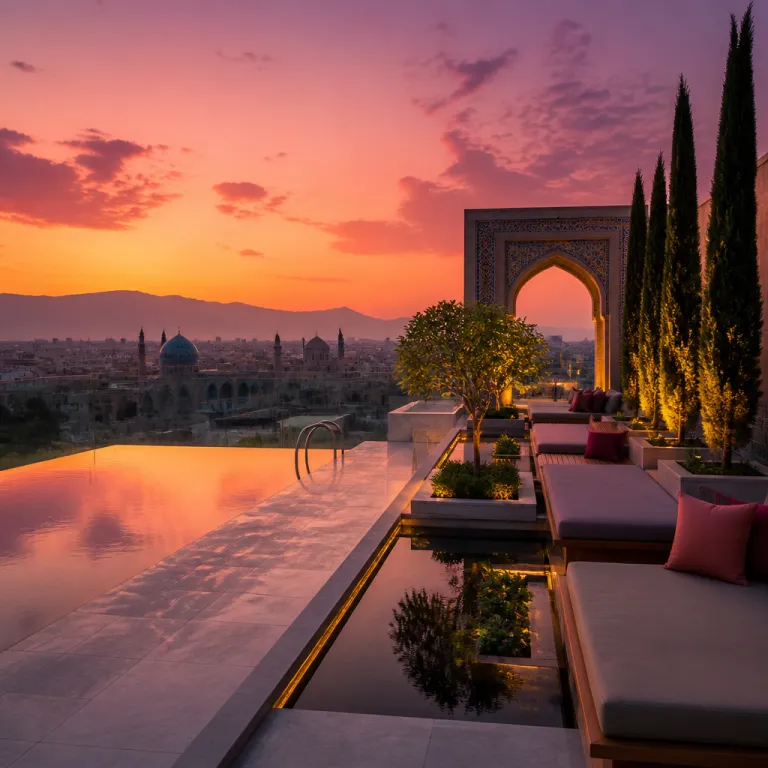
Reading the seasons in Shiraz for a refined stay
For luxury travelers planning Iran travel, the ideal time to be in Shiraz is clear. Spring and autumn frame the city at its most elegant, when the light is soft and the air feels pleasantly balanced for slow exploration. These seasons shape every decision about where to stay, what to visit, and how to pace each day.
Climate data for Shiraz, Iran from Weather Atlas (accessed 2024) shows that average high temperatures in March and April sit in the comfortable mid twenties Celsius, while October offers similarly gentle warmth that suits long walks between historical sites and shaded gardens. WhenRome climate records for the same period confirm this rhythm: “Spring (March–May) and autumn (September–November) offer pleasant weather.” Luxury guests who value calm courtyards, rooftop terraces, and discreet service will find that this preferred window aligns perfectly with the city’s quieter, more polished mood.
By contrast, summer in Shiraz brings intense heat that can push daytime temperatures well above 35 °C, and winter nights sometimes feel surprisingly cold for a desert-edge city. That does not mean you must avoid Shiraz travel in these periods, but it does mean your timing choices should be deliberate, with more indoor experiences and carefully selected hotels. When you plan your visit around this seasonal curve, you protect your comfort and elevate every detail of your trip.
How seasons shape luxury hotel choices in Shiraz
For travelers booking premium hotels in Iran, the most popular months for Shiraz are also the busiest time for high-end properties. During the spring and autumn periods, many luxury hotels in Shiraz, Iran operate near full capacity, especially around Nowruz (around 20–21 March) and regional holidays, so early reservations are essential. This is when suites with garden views, private terraces, and pool access become the most coveted rooms in the city.
Because local authorities and tourism boards such as the Ministry of Cultural Heritage, Tourism and Handicrafts (data consulted 2024) promote these peak months, tourists who want the best service should coordinate with travel agencies and tour operators well before their chosen dates. Many high-tier hotels in Shiraz, including properties like Zandiyeh Hotel, Shiraz Grand Hotel, and Chamran Grand Hotel, now integrate real-time weather apps into their concierge services, helping guests adjust daily plans around heat spikes or rare showers. Before confirming any booking, it is wise to review updated visa and accommodation regulations through a reliable resource on registered luxury stays and new visa rules in Iran.
Off-peak seasons such as deep winter or the height of summer can still suit certain luxury travelers who value privacy above all. In these months, some of the best suites in Shiraz travel portfolios are easier to secure, and staff have more time for tailored experiences such as private poetry readings or chef-led tastings of regional cuisine. If your trip priorities lean toward spa rituals, private dining, and chauffeured transfers between historical sites, the exact travel window becomes more flexible.
Designing a seasonal itinerary between Shiraz and Isfahan
Many sophisticated visitors pair Shiraz travel with a stay in Isfahan, creating a graceful arc between two of the most important cities in the Persian Empire. When you choose the most comfortable period for Shiraz, you also define the ideal moment to appreciate Isfahan’s bridges, mosques, and riverside promenades. Aligning both cities within the same spring or autumn window ensures consistently pleasant temperatures and softer light for photography.
In March and April, the gardens of Shiraz, Iran burst into color while Isfahan’s tree-lined boulevards begin to leaf, giving tourists a balanced sequence of urban and natural scenes. Luxury travelers often start their trip in Shiraz, focusing on historical sites and wine heritage, then continue north to Isfahan for grand squares and monumental mosque architecture. To refine the second half of this journey, consult a detailed resource such as a neighborhood-by-neighborhood hotel guide for Isfahan.
During high summer, both cities can feel demanding for long outdoor walks, so premium travelers usually shorten daytime excursions and rely more on private vehicles. In winter, clear skies and thinner crowds appeal to photographers and repeat visitors who already know the main things Shiraz and Isfahan offer. Whatever the season, aligning your dates across both destinations allows you to compare how each city expresses the same Persian culture in different climates.
Experiencing Shiraz monuments and gardens at the right time
Shiraz is renowned across Iran for its layered historical sites, and choosing the right season lets you experience them without fatigue. The city’s mosques, shrines, and gardens reward slow observation, which is only truly possible in pleasant weather. When the air is mild, you can linger in courtyards, study tile work, and appreciate the rhythm of local life.
Many tourists plan their stay around the luminous interiors of Nasir al-Molk Mosque, the serenity of Shah Cheragh, and the poetic atmosphere of Eram and Narenjestan gardens. These spaces feel especially appealing in spring and autumn, when filtered sunlight and cooler air soften the crowds and amplify the spiritual mood. Because opening hours can shift between seasons, a reliable travel guide or hotel concierge in Shiraz, Iran should always confirm schedules before you set out.
Beyond the city center, day trips from Shiraz itineraries often include Persepolis and Naqsh-e Rostam, where the legacy of the Achaemenid Empire and the broader Persian Empire is carved into stone. In summer, the exposed rock and minimal shade make midday visits uncomfortable, so early morning or late afternoon slots are essential. Choosing the most temperate part of the day for these excursions transforms a rushed stop into a contemplative encounter with Iran’s imperial past.
Luxury shopping, bazaars, and evening life across the seasons
For many visitors, the most enjoyable period in Shiraz is also the season when shopping and evening strolls feel most relaxed. The city’s bazaars and modern malls come alive after sunset, when temperatures drop and families fill the streets. In spring and autumn, this nightly rhythm becomes one of the great pleasures of Shiraz travel.
Vakil Bazaar, the historic commercial heart of Shiraz, Iran, is a highlight for tourists seeking carpets, spices, and refined handicrafts. Because opening hours can vary between summer and winter, especially during religious holidays, your hotel or trusted travel guide should confirm exact times before you plan a long shopping session. Luxury travelers often pair a late afternoon walk through the bazaar with a reserved table at a rooftop restaurant, timing their Shiraz experience around the golden hour.
Modern shopping centers in Shiraz offer air-conditioned comfort during the hottest months, which makes them attractive when summer heat limits outdoor things Shiraz can offer during the day. In cooler seasons, many premium hotels arrange private transfers for evening circuits that combine gardens, bazaar lanes, and contemporary galleries. This curated approach to moving through the city ensures that every hour of your trip feels intentional and pleasantly paced.
Planning around heat, altitude, and regional contrasts in Iran
Choosing the best time to travel to Shiraz also means understanding how the city fits within the wider climate of Iran. Shiraz sits in a basin surrounded by mountains, which moderates temperatures compared with some desert regions but still produces sharp summer peaks. For sensitive travelers, this geography makes the timing of outdoor activities and hotel selection especially important.
Some tourists combine Shiraz travel with cooler mountain retreats elsewhere in the country, using altitude to balance the heat of lowland cities. Families who prefer to avoid intense summer conditions entirely often plan their Iran travel around higher-elevation stays, guided by resources such as this overview of Iran’s mountain lodges and altitude-based escapes. By alternating nights between Shiraz, Iran and cooler regions, you can extend your trip without sacrificing comfort.
Winter in Shiraz brings crisp air and quieter streets, which some visiting Shiraz enthusiasts appreciate for photography and reflective walks through historical sites. However, certain gardens feel less lush, and some seasonal cafés reduce their opening hours, so the overall atmosphere differs from the lively spring and autumn periods. When you weigh these contrasts against your personal preferences, the most rewarding season for your own Shiraz journey becomes clear.
Key figures for planning your Shiraz travel dates
- Average high temperatures in Shiraz reach about 37 °C in July, according to Weather Atlas climate summaries for Shiraz (data checked 2024), which makes extended midday walking around mosques and gardens challenging for many tourists.
- In April, the average high temperature is approximately 24.8 °C, based on WhenRome climate data for Shiraz (accessed 2024), creating a pleasant range for exploring Vakil Bazaar and other historical sites on foot.
- October offers an average high of around 27.4 °C, again from WhenRome (2024 dataset), which suits late-season trips that combine Shiraz travel with visits to Isfahan and other cities in Iran.
- Tourism boards such as Iran’s national tourism organization report a marked increase in spring tourism to Shiraz in recent years, reflecting growing awareness that the most comfortable months align with blooming gardens and cultural festivals.
- Autumn visits are gaining popularity among luxury travelers, who value fewer crowds and more flexible hotel availability while still enjoying generally pleasant weather across the country.
FAQ about the best time to travel to Shiraz
What is the best time to visit Shiraz for comfortable weather ?
The most comfortable time to visit Shiraz is during spring and autumn, when daytime temperatures stay in the mid twenties Celsius and evenings feel pleasantly cool. These seasons allow relaxed walks through gardens, mosques, and bazaars without the strain of extreme heat. Luxury hotels also tend to offer their full range of outdoor services during these months.
Is summer a good season for a luxury trip to Shiraz ?
Summer in Shiraz is extremely hot; it is advisable to avoid visiting during this season if you plan long outdoor sightseeing. High temperatures limit comfortable movement between historical sites, and many tourists retreat indoors during the middle of the day. If you must travel in Iran in summer, prioritize hotels with strong air conditioning, pools, and flexible concierge services.
Are there cultural events in Shiraz during spring ?
Spring in Shiraz coincides with blooming gardens and several cultural festivals that highlight Persian music, poetry, and seasonal rituals. Nowruz celebrations around late March, along with events honoring poets such as Hafez and Saadi, enhance visits to places like Shah Cheragh and major gardens, where decorations and gatherings create a festive atmosphere. Because dates can shift, your hotel concierge or preferred travel guide should confirm exact schedules.
How far in advance should I book a luxury hotel in Shiraz ?
For the peak spring and autumn weeks, booking several months ahead is prudent. High-end properties in Shiraz often reach high occupancy, particularly for suites with garden views or heritage architecture. Early reservations also give you more leverage to arrange private tours and tailored experiences.
Can I combine Shiraz with other cities in Iran in one trip ?
Many travelers design itineraries that link Shiraz with Isfahan and sometimes Tehran, using spring or autumn as the shared seasonal window. This timing ensures broadly pleasant weather across the country and smoother logistics for domestic flights or road transfers. Coordinating hotel bookings in each city through a single Iran travel specialist can simplify the entire trip.
Seasonal quick-guide for Shiraz luxury travel
- March–May (spring): Highs around 20–26 °C; ideal for gardens, outdoor cafés, and full-day city walks. A sample two-day plan might include early-morning visits to Nasir al-Molk and Vakil Bazaar, long lunches indoors, then late-afternoon strolls in Eram Garden and rooftop dinners.
- June–August (summer): Highs often above 35 °C; focus on air-conditioned museums, spas, and evening outings. Plan key outdoor stops such as Persepolis at sunrise or just before sunset, with pool time and siestas in the middle of the day.
- September–November (autumn): Highs about 22–28 °C; excellent for photography, rooftop dining, and combined Shiraz–Isfahan itineraries. Mornings suit mosque interiors and shrines, while the golden hour flatters gardens and bridge views.
- December–February (winter): Cool days and cold nights; quieter streets suit repeat visitors and reflective cultural visits. Use the brighter midday hours for outdoor monuments, then retreat to teahouses, galleries, or hotel lounges after dusk.