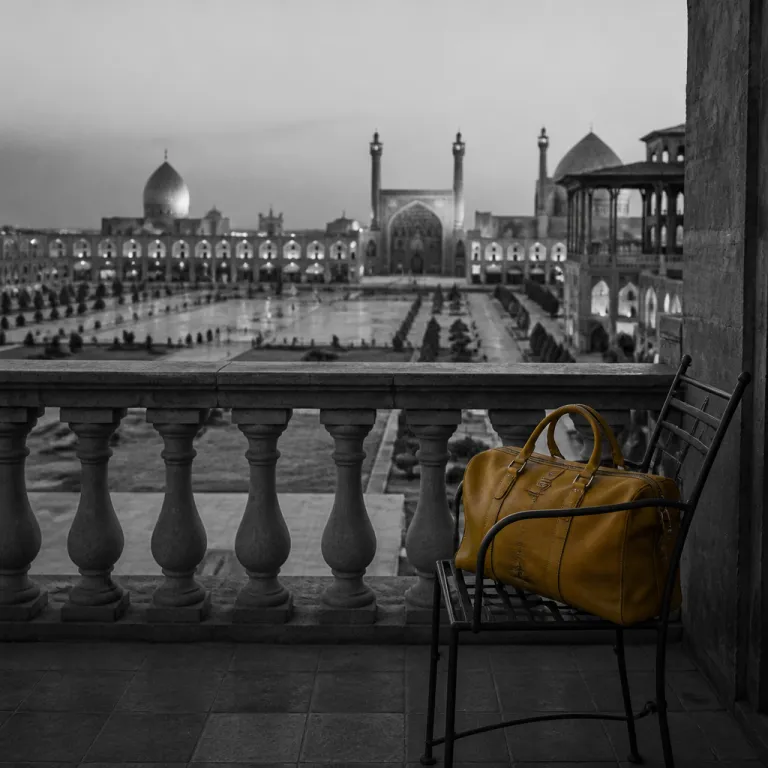
Why Naqsh e Jahan square is the ultimate address in Isfahan
Naqsh‑e Jahan Square in the city of Isfahan is the single most strategic address for luxury travelers who want history at their doorstep. This vast Safavid ensemble, stretching about 560 meters long and 160 meters wide, concentrates palace, mosque, bazaar and royal power in one harmonious urban stage. When you book a premium hotel near Jahan Square, you are choosing a place where every sunrise begins with the silhouette of domes and every evening ends under the glow of tiled façades.
Historically, Shah Abbas I moved the Safavid capital to Isfahan, Iran to create a main royal square that centralized political, religious and commercial life. The construction of Naqsh‑e Jahan Square, guided by architect Ali Akbar Isfahani and local artisans, used traditional Persian techniques and local materials to shape a coherent heritage site that still feels alive. For today’s guest, that means a short walk from your suite to the mosque complex, the Ali Qapu palace balcony or the grand bazaar arcades, instead of long transfers across the city.
Travelers choosing luxury hotels around this square in Isfahan gain immediate access to the most important heritage sites without sacrificing comfort. Many premium properties frame partial or full views of the Shah Mosque, Ali Qapu or the side gardens, turning your room into a private gallery of Safavid architecture. If you value time, atmosphere and effortless access, staying near the Naqsh‑e Jahan grand square is not just convenient; it is the most intelligent way to structure a short or long stay in Iran.
Reading the Safavid story from your hotel: mosques, palaces and gates
From a well located luxury hotel, you can read the entire Safavid narrative simply by walking the perimeter of Naqsh‑e Jahan Square. On one side stands the Shah Mosque, also known as the Imam Mosque Isfahan, a masterpiece of Persian tile work that anchors the religious function of the square. On another side, the elegant Sheikh Lotfollah Mosque offers a more intimate, almost private space that once served the royal family rather than the general Iranian public.
Facing these mosques, the Ali Qapu palace rises over the main square like a viewing platform for history, its music rooms and terrace once used by Shah Abbas to watch polo matches and ceremonies. The Qapu palace façade, with its tall wooden columns, still dominates the skyline and gives guests a clear visual reference point from many hotel terraces. At the northern end, the Qeysarie Gate forms the ceremonial entrance to the grand bazaar, linking Naqsh‑e Jahan to the older commercial arteries of Isfahan, Iran and reminding visitors that trade was always intertwined with faith and power.
When you stay nearby, these monuments stop being isolated heritage sites and become part of your daily routine. A morning coffee can be followed by a quiet visit to Sheikh Lotfollah before tour groups arrive, while an evening stroll might lead you through the Qeysarie Gate into the covered alleys of the Isfahan grand bazaar. For travelers combining Isfahan with other historic cities such as Shiraz, where late spring gardens shine brightest as described in this guide to late spring in Shiraz, Naqsh‑e Jahan Square offers a complementary urban experience focused on architecture and urban planning rather than only gardens.
Choosing the right luxury hotel zone around Jahan square
Premium hotels around Jahan Square naturally cluster in three main zones, each offering a different relationship to the square itself. The first zone sits directly along the edges of the Naqsh‑e Jahan area, where historic houses and restored residences have been converted into intimate high end stays with immediate access to the arcades. Here, you step from your entrance straight into the flow of Iranian families, local artisans and international visitors crossing the paving stones of Naqsh‑e Jahan.
The second zone lies just beyond the side streets, within roughly 300 to 800 meters of the main gates, where larger luxury properties can offer more facilities while still keeping the Shah Mosque and Ali Qapu within a short walk. This area often provides better vehicle access, quieter nights and easier transfers to other parts of Isfahan, including the riverfront and Armenian quarter. The third zone stretches further into traditional neighborhoods, where restored courtyard mansions give a more residential feel while remaining within a 10 to 15 minute walk of the heritage site.
Travelers who appreciate atmospheric evenings may prefer the first or second zone, where the sound of the grand bazaar and the call to prayer from nearby domes blend into a unique soundscape. Those seeking deeper immersion in traditional architecture might choose a courtyard property slightly further away, similar in spirit to the historic stays highlighted in this article on courtyard hotels in Kashan after dark. In every case, verify walking distances in meters, check whether your hotel offers direct views of Naqsh‑e Jahan Square or only of a side square, and confirm how easily staff can arrange guided visits to the Shah Square monuments.
Design, views and services that matter for premium stays
When evaluating luxury hotels near Naqsh‑e Jahan, focus on how the property frames the square rather than only on star ratings. A room or rooftop with a clear line of sight to the Shah Mosque, Sheikh Lotfollah or Ali Qapu can transform a standard stay into a deeply memorable experience. Some high end properties design their lounges and restaurants so that guests can watch the changing light on the domes and the palace from breakfast until late evening.
Interior design often blends contemporary comfort with Persian motifs inspired by the Safavid era, echoing the tile patterns of the mosque complex or the stucco of Qapu palace. Look for details such as hand woven carpets from the grand bazaar, carved wooden doors reminiscent of the Qeysarie Gate and subtle references to Shah Abbas in artwork or calligraphy. These touches show that the hotel understands its setting within a UNESCO heritage landscape and respects the visual language of Naqsh‑e Jahan Square.
Service standards should match the setting, especially for international guests navigating Iran for the first time. Multilingual concierges who can arrange timed visits to major heritage sites, private evening walks across the square and transfers to other cities are invaluable. For travelers continuing to cooler regions or mountain retreats, for example the high altitude lodges highlighted in this feature on Iran’s mountain lodges for families, a well organized front desk near Jahan Square becomes the logistical anchor of a wider Iranian itinerary.
Practical planning: timing, access and cultural etiquette around the square
Luxury travel around Naqsh‑e Jahan Square benefits from careful timing and respect for local rhythms. Visit early morning to avoid crowds, when the light is soft and the square is still half empty, then return at dusk when families gather and the domes of the Shah Mosque glow. Dress modestly respecting local customs, especially when entering any mosque or religious place, and remember that even the open square is considered a shared civic and spiritual space for many Iranian visitors.
Access to the central area is mostly pedestrian, so confirm with your hotel how close vehicles can approach and whether they provide luggage assistance from the nearest gate. Many streets around the heritage site are narrow, and traffic restrictions protect the paving and the atmosphere of Naqsh‑e Jahan, which means walking distances of 200 to 600 meters are common. The main entrances, including the Qeysarie Gate leading to the grand bazaar and the southern approach near the Shah Mosque, can be busy at peak hours, so plan photography and quiet contemplation for earlier or later in the day.
Hiring a local guide for historical insights is strongly recommended, especially for travelers who want to understand how Shah Abbas and the Safavid dynasty used this square as a stage for power. A knowledgeable guide can point out subtle alignments between the mosques, the Ali Qapu palace and the bazaar that most casual visitors miss. They will also help you navigate prayer times, ticketing for individual heritage sites and the best vantage points for viewing the entire Naqsh‑e Jahan ensemble from different sides of the square.
Understanding Naqsh e Jahan as a living UNESCO heritage site
Naqsh‑e Jahan Square is not only a postcard image; it is a living UNESCO heritage site where daily life continues around monuments of global importance. The ensemble was inscribed as a UNESCO World Heritage Site because it integrates mosque, palace and bazaar around a single grand square in a way that illustrates Safavid urban planning at its peak. This integration means that when you stay nearby, you are not just near isolated buildings but inside a functioning historic city core.
The Shah Square layout still reflects the original objectives of centralizing political, economic and religious activities in one coherent place. On any given day, you might see worshippers heading to the Shah Mosque, students sketching the façade of Sheikh Lotfollah, and shoppers entering the grand bazaar through the Qeysarie Gate, all within the same visual field. For luxury travelers, this density of activity offers a rare chance to observe how a royal Persian square continues to serve both locals and visitors without becoming a static museum.
Ongoing restoration projects protect tile work, stone carvings and structural elements of the mosques and the Ali Qapu palace, ensuring that future generations can still experience the full impact of Naqsh‑e Jahan. Increased tourism due to UNESCO heritage recognition has brought more services, better signage and improved visitor facilities, which directly benefits guests staying in nearby hotels. As one concise summary puts it, “What is Naqsh‑e Jahan Square? A historic square in Isfahan, Iran, built during the Safavid era. Why is Naqsh‑e Jahan Square significant? It showcases Safavid architecture and is a UNESCO World Heritage Site. What are the main attractions around the square? Shah Mosque, Ali Qapu Palace, Sheikh Lotfollah Mosque, and Qeysarie Gate.”
Key figures and spatial context around Naqsh e Jahan square
- The main rectangle of Naqsh‑e Jahan Square measures approximately 560 meters in length and 160 meters in width, creating a total area close to 89 600 square meters according to widely cited architectural surveys.
- This vast surface makes the square one of the largest historic urban squares in the world, significantly larger than many European royal squares that inspired later city planning.
- The coordinates of Naqsh‑e Jahan in Isfahan, Iran are roughly 32.6546° north and 51.6775° east, placing it in the central plateau region that shaped much of Safavid political geography.
- The construction of the square and its surrounding monuments took place across several decades of the Safavid era, culminating in a coherent ensemble that still defines the identity of Isfahan today.
- Since its inscription as a UNESCO World Heritage Site, Naqsh‑e Jahan has seen a measurable increase in international tourism, which in turn has stimulated the growth of luxury and premium accommodation within walking distance of the heritage site.
FAQ: planning a luxury stay near Naqsh e Jahan square
What is Naqsh e Jahan square and why does it matter for travelers ?
Naqsh‑e Jahan Square is a monumental Safavid era square in Isfahan, Iran that concentrates the Shah Mosque, Sheikh Lotfollah Mosque, Ali Qapu palace and the Qeysarie Gate to the grand bazaar around one vast open space. For travelers, this means that the main religious, political and commercial heritage sites of Isfahan are all within a short walk of each other. Staying nearby allows you to experience the square at different times of day without long transfers.
Which monuments should I prioritize when staying near the square ?
The essential monuments around Naqsh‑e Jahan include the Shah Mosque with its monumental entrance portal, the more intimate Sheikh Lotfollah Mosque with its famous interior dome, and the Ali Qapu palace with its elevated terrace overlooking the square. The Qeysarie Gate at the northern end leads into the grand bazaar, which remains a working market and an important part of the experience. Most visitors allocate at least half a day to explore these sites in depth, not counting time spent simply walking the square.
How close should my luxury hotel be to Naqsh e Jahan square ?
For most guests, a walking distance of 200 to 800 meters from the edge of the square offers the best balance between atmosphere and comfort. Hotels directly on or beside the Naqsh‑e Jahan area provide unmatched proximity but may experience more noise during busy evenings. Properties slightly further away often offer larger rooms and easier vehicle access while still keeping the Shah Mosque and Ali Qapu within a comfortable stroll.
When is the best time of day to visit the square and its mosques ?
Early morning is ideal for photography and quiet contemplation, as the light is soft and the number of visitors is lower. Late afternoon and early evening are perfect for feeling the social energy of Naqsh‑e Jahan, when Iranian families gather, the domes of the mosques change color with the setting sun and the grand bazaar remains active. Midday visits are often reserved for interior tours of the mosques and palace, when the shade of the arcades and buildings offers some relief.
Do I need a guide to appreciate Naqsh e Jahan square fully ?
While it is possible to walk the square alone, a qualified local guide adds significant depth by explaining how Shah Abbas and the Safavid dynasty used the space for ceremonies, trade and religious life. Guides can interpret inscriptions, point out visual alignments between the mosques, the palace and the bazaar, and help you navigate ticketing and opening hours. Many luxury hotels near Jahan Square can arrange private guided visits tailored to your interests and schedule.